






The Shift from Seeing to Being
Slow travel has been redefining our vacation goals for years, urging us to trade frantic, multi-city dashes for deeper, more immersive stays in a single location. Now, this philosophy is evolving further. The latest trend isn't just about staying in one
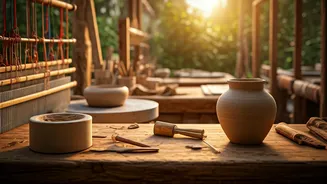
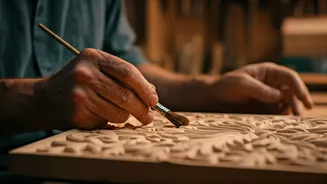
place, but about becoming a part of its living culture. Imagine your next holiday not just seeing monuments, but learning to throw clay on a potter’s wheel in a quiet Himalayan village, or mastering the intricate art of block printing in a dusty Rajasthani workshop. This is travel that engages your hands as much as your eyes. It’s about slowing down to the rhythm of a craft that has been practised for generations, guided by the master who knows its every secret.
More Than a Souvenir: The Real Reward
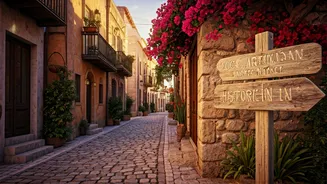
The appeal of an artisan-focused itinerary goes far beyond learning a new hobby. It is an antidote to the disconnected nature of mass tourism. When you live and work alongside a local artisan, you step out of the role of a consumer and into the role of a student and a guest. This fosters a genuine connection that a ten-minute transaction at a souvenir shop never could. You hear their stories, share meals, and understand the context behind the beautiful objects they create. Furthermore, this model offers a powerful form of sustainable and ethical tourism. Your money goes directly to the artist and their community, helping to preserve invaluable cultural heritage that is often threatened by mass production and changing economies. The final creation you take home—be it a wobbly pot or a hand-dyed scarf—is imbued with memory, effort, and a personal story.
What to Expect: Immersion, Not Indulgence
It’s important to set the right expectations. This type of travel is rarely about five-star luxury. It’s about authenticity. Accommodation might be a simple room in the artisan's family home. Communication may involve more gestures than words if you don't share a language. The days are structured around the workshop, not a tourist bus schedule. You will be expected to be patient, respectful, and genuinely willing to learn. This isn't a passive experience; it requires your participation, your curiosity, and your humility. The reward for embracing this simplicity is a level of cultural immersion that is simply not available to the average tourist. You will leave with a profound appreciation for the skill, dedication, and resilience behind the craft.
Finding Your Artisan Guide
So, how do you find these unique opportunities? The journey begins with research. Several platforms are now dedicated to connecting travellers with artisan experiences. Organisations like Vawaa (Vacation with an Artist) specialise in curating such trips globally. Grassroots NGOs and local cooperatives in regions famous for specific crafts are also excellent starting points. In India, for example, exploring options in Kutch, Gujarat, for block printing and textile arts, or Andretta in Himachal Pradesh for pottery, can yield incredible results. Searching for 'artisan workshops', 'craft homestays', or 'creative residencies' in a region you're interested in can unlock hidden gems. Don't be afraid to reach out to small, independent studios directly. Many are proud to share their craft and welcome the cultural exchange.