







The Science of a Sticky Night
To understand why your bed feels so warm, we first need to talk about how your body cools itself. The primary mechanism is sweating. As sweat evaporates from your skin, it takes heat with it, lowering your body temperature. However, when the air is already
saturated with moisture — as it is during periods of high humidity — this evaporation process slows down dramatically. With nowhere for the moisture to go, it sits on your skin, making you feel clammy and hot. This disrupts your body's natural ability to regulate its temperature, which is crucial for falling and staying asleep. The optimal relative humidity for sleep is generally between 40-60%; anything higher can lead to that uncomfortable, muggy feeling.
How Your Bedding Traps Heat and Moisture
Your bedding creates a small microclimate between the fabric and your skin. When your bedding is heavy or made from non-breathable materials, it acts like a seal, trapping both heat and the moisture vapor your body constantly releases. Instead of escaping, this humidity gets caught in the bedding, making the fabric feel damp, heavy, and significantly warmer. Synthetic materials like polyester are particularly problematic as they don't allow air to circulate freely. Even some natural fibres, if the weave is too dense, can contribute to this greenhouse effect, turning your cozy sanctuary into an uncomfortable sweatbox, often causing you to overheat in the early hours of the morning.
Choose Fabrics That Breathe
The solution lies in choosing bedding made from breathable, moisture-wicking materials. These fabrics allow air to circulate and pull moisture away from your skin to evaporate. For India's varied and often humid climate, certain fabrics are clear winners. Lightweight cotton, especially with a percale weave, is a fantastic choice. The crisp, one-over-one-under weave promotes airflow, keeping you cool. Linen is another champion in humid conditions, known for its incredible breathability and ability to absorb significant moisture before feeling wet. Bamboo-derived fabrics and Tencel are also excellent options; they are silky-soft and highly effective at managing moisture, often outperforming cotton in this regard.
Debunking the High Thread Count Myth
For years, marketing has told us that a higher thread count equals better quality and more luxury. While high thread-count sheets can feel incredibly soft and smooth, they aren't always the best choice for hot, humid climates. A very high thread count (think 600 and above) means the threads are packed incredibly densely. This density reduces airflow, causing the fabric to trap more heat. For hot sleepers or those in coastal cities, a sheet with a thread count between 200 and 400 will often provide a much more comfortable and breathable sleep by allowing air to pass through more easily. So, when shopping, prioritise the fabric type and weave over an inflated thread count number.
Optimise Your Sleep Environment
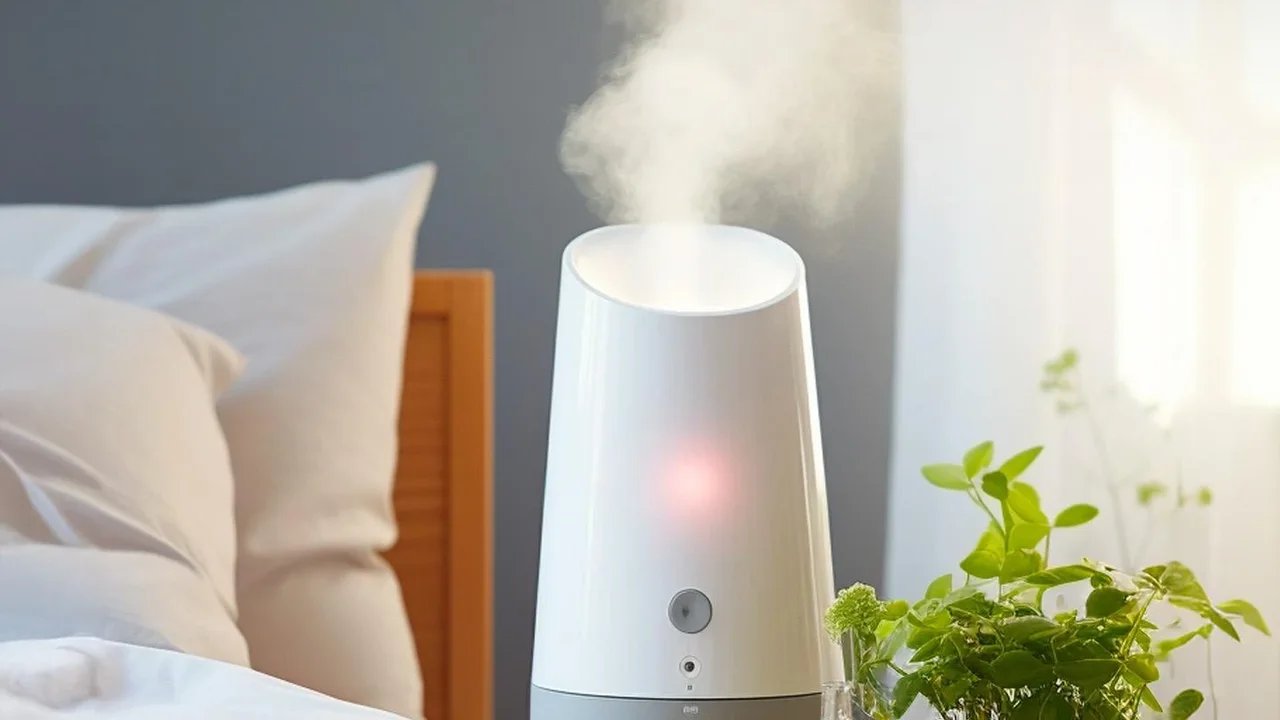
Beyond your bedding, a few simple adjustments to your bedroom can make a huge difference on humid nights. Using a dehumidifier is one of the most effective ways to make the room feel more comfortable, even at the same temperature. Ensuring good air circulation with a ceiling or oscillating fan also helps sweat evaporate more effectively. You might also consider layering your bed with lighter options, like a thin cotton quilt (often called an AC quilt), instead of a heavy duvet. This allows you to adjust your covering throughout the night without trapping too much heat. A cool shower before bed can also help lower your core body temperature, signalling to your body that it's time for sleep.