





The Gut's Final Frontier
The human gut is home to trillions of microorganisms, a bustling ecosystem known as the microbiome that is essential for digestion, immune function, and overall health. For astronauts embarking on long missions, this internal world is thrown into turmoil.
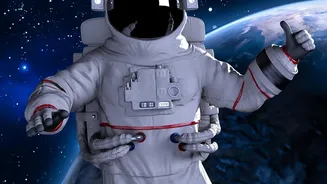
Research shows that spaceflight significantly alters the composition and behavior of gut bacteria. Studies on astronauts, including NASA's landmark Twins Study, have revealed shifts in the gut's bacterial populations, with some beneficial microbes decreasing while others, potentially less helpful, can increase. This imbalance, known as dysbiosis, is a central concern for space medicine, as it's linked to a host of health issues both in space and on Earth.
A Hostile Environment for Microbes
Several factors unique to space travel create a perfect storm for gut disruption. The most profound is microgravity. Recent studies suggest that the lack of gravity slows down the movement of food through the intestines. This gives gut bacteria more time to break down available nutrients like fiber and carbohydrates, eventually running out and fermenting protein instead. This process releases different byproducts into the bloodstream and is believed to be a key reason why constipation is a common complaint among astronauts. Beyond gravity, astronauts are exposed to cosmic radiation, psychological stress, altered sleep cycles, and a controlled diet of pre-packaged foods, all of which are known stressors that can negatively impact the delicate balance of the gut microbiome. Some studies even indicate that certain harmful bacteria can become more resilient or virulent in space.
Science in Orbit
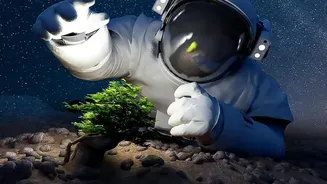
To understand these changes, scientists are conducting extensive research. The 'Astronaut Microbiome' project, for instance, involves collecting fecal, saliva, and blood samples from crew members before, during, and after their missions on the International Space Station (ISS). By analyzing these samples back on Earth, researchers can map the changes in microbial diversity and function over time. Studies have tracked everything from shifts in the ratio of major bacterial groups to the reactivation of dormant viruses due to immune system dysregulation. Researchers are also exploring countermeasures, such as developing specific probiotic and prebiotic supplements designed to support a healthy microbiome in space. Even growing fresh food in space, like chili peppers on the ISS, is part of a strategy to improve astronaut diets and, by extension, their gut health.
Down-to-Earth Benefits
This out-of-this-world research has profound implications for those of us on the ground. Studying the astronaut gut is like studying a model of accelerated aging or the effects of extreme stress on the body. The insights gained can help us better understand and treat a wide range of common health problems. For instance, the findings on slowed digestion and altered microbial activity offer new clues for treating chronic constipation and other digestive issues on Earth. The link between gut health, immune dysregulation, and stress in space provides valuable data for managing inflammatory bowel disease (IBD), stress-induced gastrointestinal problems, and immune disorders. Furthermore, understanding how to maintain a healthy microbiome under the extreme conditions of space could lead to better nutritional strategies for the elderly or chronically ill, who often face similar challenges with digestion and nutrient absorption.