




The Grand Vision: More Than Just a Station
For decades, Indian railway stations have been purely functional points of arrival and departure. The new vision reframes them as integrated urban centers, sometimes called 'Railopolis'. The core idea is to transform these high-footfall areas into self-sustaining
city centers that serve not just passengers, but the entire urban community. Spearheaded by the Ministry of Railways and executed by bodies like the Rail Land Development Authority (RLDA), this nationwide initiative aims to modernize infrastructure, enhance passenger experience, and unlock the commercial potential of railway land. By leveraging a Public-Private Partnership (PPP) model, the projects are designed to be largely self-financed, using revenue from commercial development to fund the upgrades.
Airport-Like Amenities Arrive on the Platform
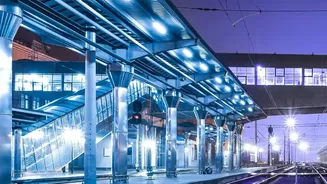
The new transit hubs are being designed to mirror the comfort and convenience of modern airports. Passengers can expect clean, spacious, and air-conditioned concourses, executive lounges, and designated waiting areas. Beyond basic travel needs, these redeveloped stations will feature extensive retail spaces, food courts, and even hotels built directly on or adjacent to the station premises. For example, the redeveloped Gandhinagar Capital station already boasts a five-star hotel atop its platforms. Other modern facilities include free Wi-Fi, digital information systems, kids' play areas, improved lighting, and modern, accessible restrooms. The goal is to make the station a destination in itself, where passengers can wait, shop, eat, and work comfortably.
Seamless Integration is the Core Idea
The 'multi-modal' aspect is central to this transformation. The plan is to create a seamless web of connectivity where passengers can effortlessly switch between different modes of transport. These hubs will integrate railway terminals with metro stations, city bus networks, and dedicated lanes for taxis and ride-sharing services. Elevated skywalks, underpasses, and travellators will connect different parts of the transit ecosystem, ensuring smooth passenger flow without having to navigate congested city streets. The Sabarmati Multimodal Hub in Ahmedabad is a prime example, designed to connect high-speed rail, Indian Railways, the metro, and local bus services in one unified complex. This integration is crucial for reducing congestion around stations and improving last-mile connectivity for millions of commuters.
Flagship Projects Paving the Way
Several high-profile projects are demonstrating the potential of this vision. The redevelopment of Chhatrapati Shivaji Maharaj Terminus (CSMT) in Mumbai, a UNESCO World Heritage site, aims to modernize facilities while preserving its iconic heritage architecture. The plan includes a massive pedestrian plaza, dedicated arrival and departure zones, and better integration with local transport. Similarly, the New Delhi Railway Station is undergoing a massive redevelopment to handle over 500,000 passengers daily, featuring a large air concourse and elevated road access to ease traffic. These flagship projects, along with completed ones like Gandhinagar Capital, serve as a blueprint for station modernization across the country.
The Amrit Bharat Station Scheme
While megacities grab headlines, the transformation isn't limited to major terminals. The Amrit Bharat Station Scheme is a broader initiative launched to redevelop over 1,300 stations of all sizes across the nation. This scheme focuses on providing modern amenities with a long-term vision, ensuring that even smaller towns benefit from the modernization drive. The upgrades include improving station facades, platform surfaces, waiting halls, toilets, and providing amenities like lifts, escalators, and free Wi-Fi where justified by footfall. The scheme emphasizes a phased approach, ensuring continuous improvement while integrating local culture and heritage into the station designs, following the vision of 'Virasat Bhi, Vikas Bhi' (Heritage and Development).