






A New, Harsher Reality
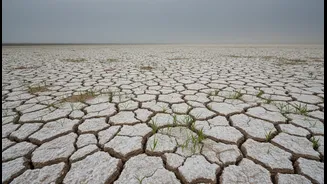
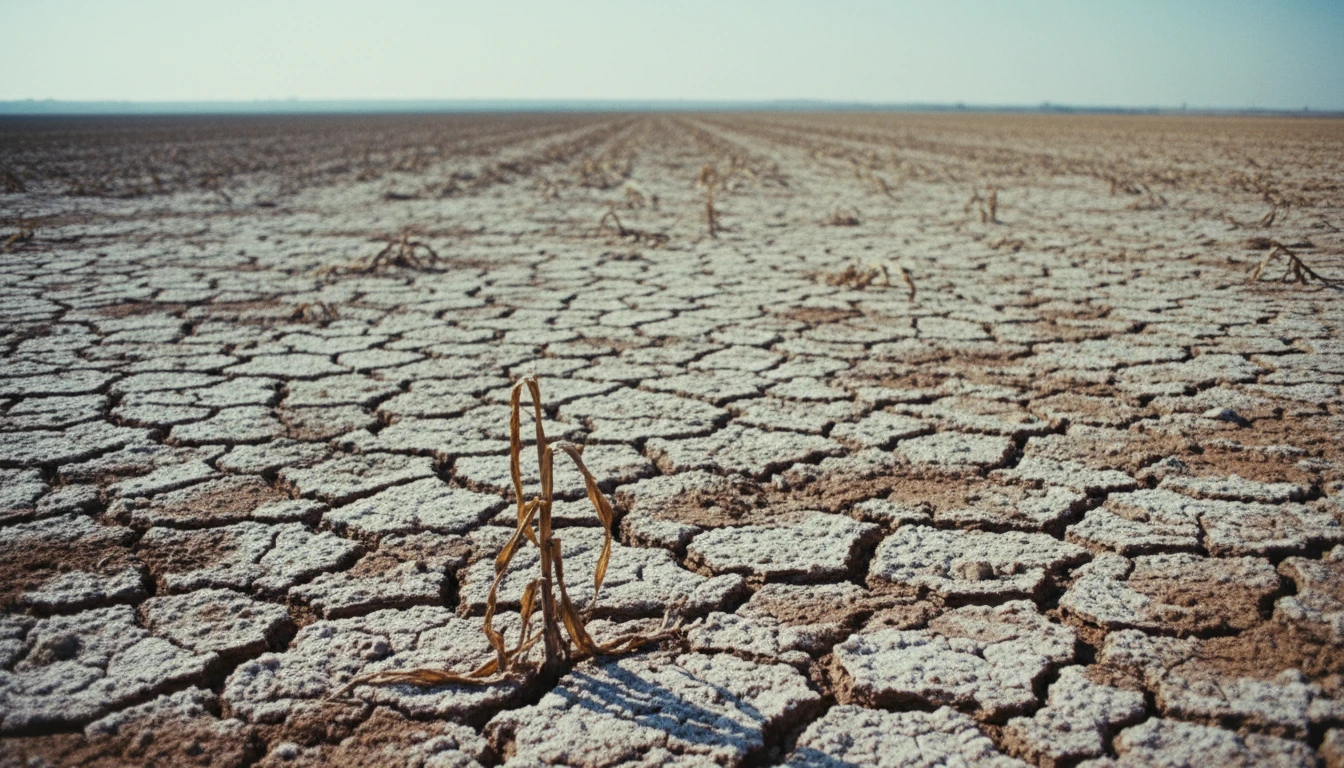
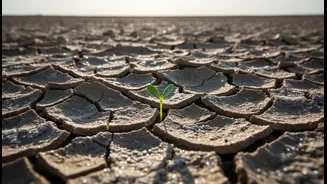
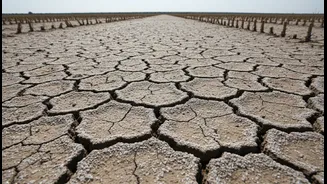
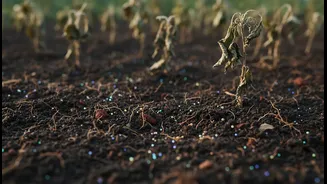
The predictable rhythms of Indian agriculture are breaking down. The monsoon, the lifeblood for roughly 60% of the country's net sown area, has become erratic and unreliable. Farmers now face a bewildering new normal: either too much rain in short, destructive
bursts or long, crop-withering dry spells. Compounding this is the relentless rise in temperatures. Spring heatwaves, once occasional, are now a recurring threat, capable of shrinking wheat yields just before harvest. Studies have shown that a single degree Celsius of warming can reduce crop yields significantly. This isn't a distant problem; it is an immediate crisis impacting the livelihoods of the more than 600 million people who depend on farming.
The High Cost of Silence
The consequences of climate stress extend far beyond the fields, creating ripples across the entire economy. For farmers, particularly the 86% who are smallholders, a single failed crop due to a heatwave or flood can be catastrophic, deepening cycles of debt. This volatility threatens India's national food security and can lead to price shocks for consumers. For key staples like rice and wheat, which are highly vulnerable to heat, the future looks precarious without major adaptation. The economic fallout is stark, with extreme weather events already estimated to be impacting India's GDP. The quiet suffering of individual farms is coalescing into a national economic alarm bell.
The 'Chat' Begins: A Digital Response
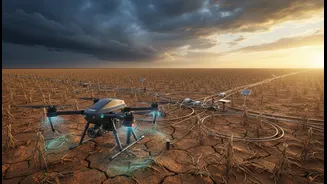
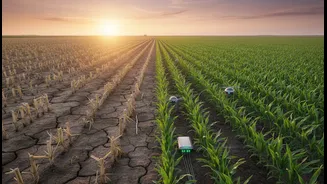
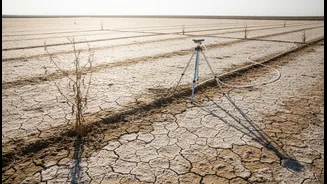
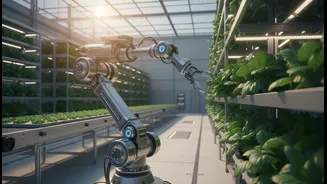
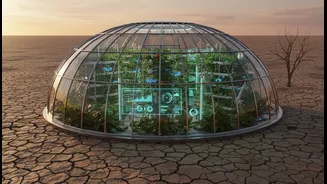
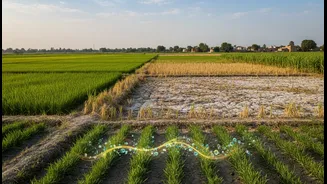
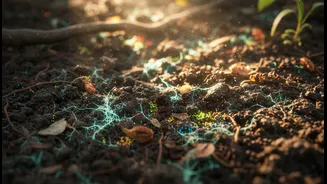
This is where the conversation changes. The term 'agritech' has moved from a buzzword to a lifeline, representing a wave of innovation aimed at making farming more resilient. Precision agriculture is at the heart of this movement, using technology to do more with less. Startups and tech firms are deploying an arsenal of tools: IoT sensors that monitor soil moisture in real-time, drones for targeted pesticide spraying, and satellite imagery paired with AI to predict crop health. Companies like Fasal are using IoT to give farmers hyper-local advice on when to irrigate, saving water and boosting yields. This data-driven approach allows farmers to make decisions based on precise information, not just tradition or guesswork.
From Lab to Land: Innovations in Practice
The government and research institutions are also key participants in this new dialogue. The Indian Council of Agricultural Research (ICAR) has been instrumental in developing and releasing thousands of new crop varieties tolerant to stresses like drought, heat, and salinity. National initiatives like the National Mission for Sustainable Agriculture (NMSA) and the National Innovations in Climate Resilient Agriculture (NICRA) are actively promoting climate-smart practices. These range from micro-irrigation systems that dramatically improve water efficiency to conservation agriculture techniques like zero-tillage farming. In states like Odisha and Bihar, dedicated programmes are helping farmers adopt climate-resilient practices, from diversifying crops to reviving millet cultivation.
Keeping the Conversation Going
While the technology is promising, its adoption is still in its early stages. High costs, fragmented landholdings, and a lack of digital literacy are significant barriers for many small farmers. For this new conversation to be truly effective, it must be inclusive. The challenge lies in making these innovations accessible and affordable. This requires a concerted effort from government agencies to create supportive policies and subsidies, from private companies to develop user-friendly and low-cost solutions, and from financial institutions to provide capital. Service-based models, where farmers can hire a drone for a day or subscribe to an advisory service, are emerging as a key way to democratise access to these powerful new tools.