




The Undisputed King of Moti Nagar
In the bustling heart of West Delhi's Moti Nagar, Kumar Samosa Wala stands as a testament to a simple truth: if you do one thing, do it exceptionally well. For decades, this humble establishment has been frying up what many locals consider the definitive
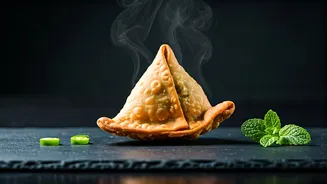
Delhi samosa. The crust is a masterclass in texture—flaky but sturdy, never greasy. It shatters with a satisfying crunch, revealing a steaming, fragrant filling of spiced potatoes and peas. The filling isn't a mushy afterthought; each ingredient is distinct, with a peppery kick balanced by a hint of tangy amchur (dried mango powder). Served with a sweet and spicy tamarind chutney, it’s a flavour bomb that has remained unchanged for generations. This isn't just a snack; it's a neighbourhood institution, a landmark of taste that draws crowds from across the city, all queuing patiently for their triangular piece of perfection.
Kolkata's Shingara Royalty
While the rest of India eats samosas, Kolkata proudly devours its 'shingara'. The difference is subtle but crucial. At Tewari Brothers in Burrabazar, a legendary sweet shop that has been a city icon since 1947, the shingara is an art form. The Bengali version often features a flakier, lighter pastry and a more complex filling. Tewari’s classic shingara includes not just potatoes and peas but also cauliflower and peanuts, lending a unique crunch and sweetness. The spices are milder, focusing on the aromatic blend of panch phoran and ginger. During winter, their 'phulkopir shingara' (cauliflower shingara) is the stuff of legend. Paired with a tangy, watery chutney that cuts through the richness, it’s a bite that encapsulates the soul of Kolkata's street food culture—refined, flavourful, and deeply rooted in tradition.
Mumbai's Modern Twist
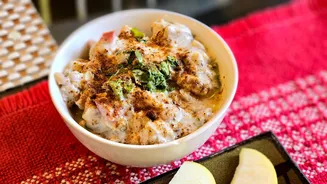
Mumbai’s culinary landscape is all about innovation, and the samosa is no exception. While classic potato samosas are plentiful, the city has embraced creative fillings with open arms. Leading this charge is Guru Kripa in Sion, a spot beloved by college students and foodies for over four decades. Their 'chole samosa' is iconic. It’s a deconstructed delight where a crushed, piping-hot samosa is drowned in a hearty, spicy chickpea curry (chole), then garnished with chopped onions, coriander, and a drizzle of tamarind and mint chutneys. It’s a messy, chaotic, and utterly delicious plate that transforms the humble samosa from a handheld snack into a full-fledged meal. It embodies the spirit of Mumbai—fast-paced, innovative, and incredibly satisfying. It’s the kind of dish that provides a burst of energy for the city that never sleeps.
The Lucknowi Legacy
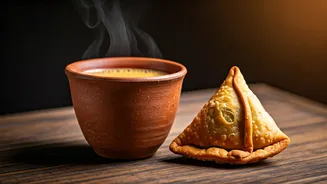
In Lucknow, the city of Nawabs, food is a serious affair steeped in history and refinement. Here, the samosa takes on a different character. At Sharma Ji Ki Chai, a legendary morning spot in Hazratganj, the samosa is the perfect companion to their famous kulhad chai. What makes the Lucknowi samosa, or 'khaste' as it's often called, stand out is its delicate, almost brittle crust. It’s fried to a perfect golden brown, ensuring it’s light and airy. The potato filling is subtly spiced, often with a prominent note of fennel and coriander, reflecting the nuanced palate of Awadhi cuisine. It’s not about overpowering heat but a gentle warmth. Enjoyed in the early morning light, amidst the chatter of office-goers and morning walkers, this samosa isn't just breakfast; it's a daily ritual, a taste of the city's slow, graceful rhythm.