


North India: The Sattvic Fast
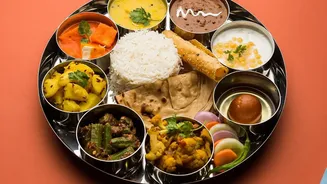
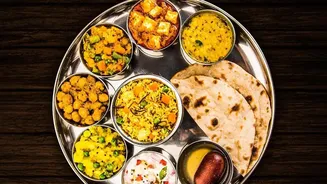
In North India, including states like Punjab, Uttar Pradesh, and Rajasthan, Navratri is a time for a strict sattvic fast. Devotees abstain from grains, onions, garlic, and regular salt, favouring ingredients that are believed to be pure and light. The
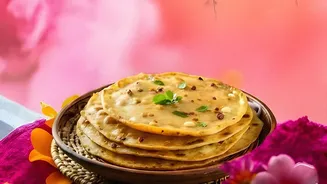
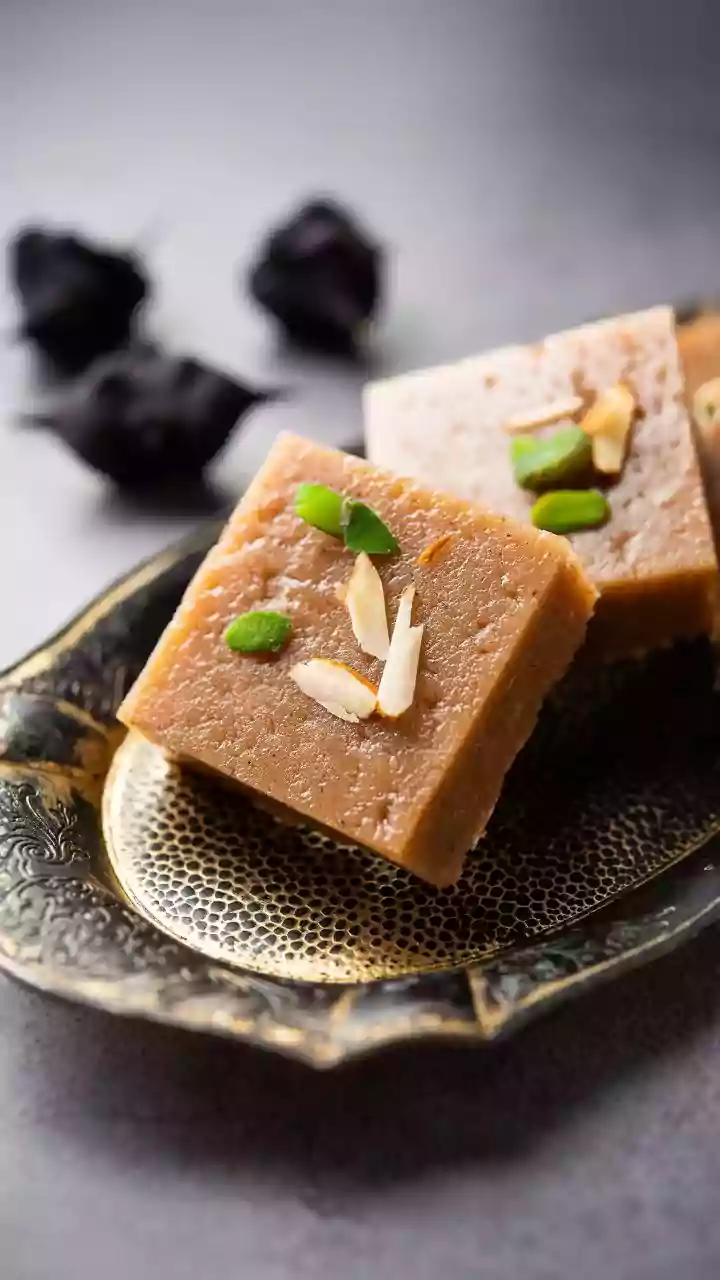
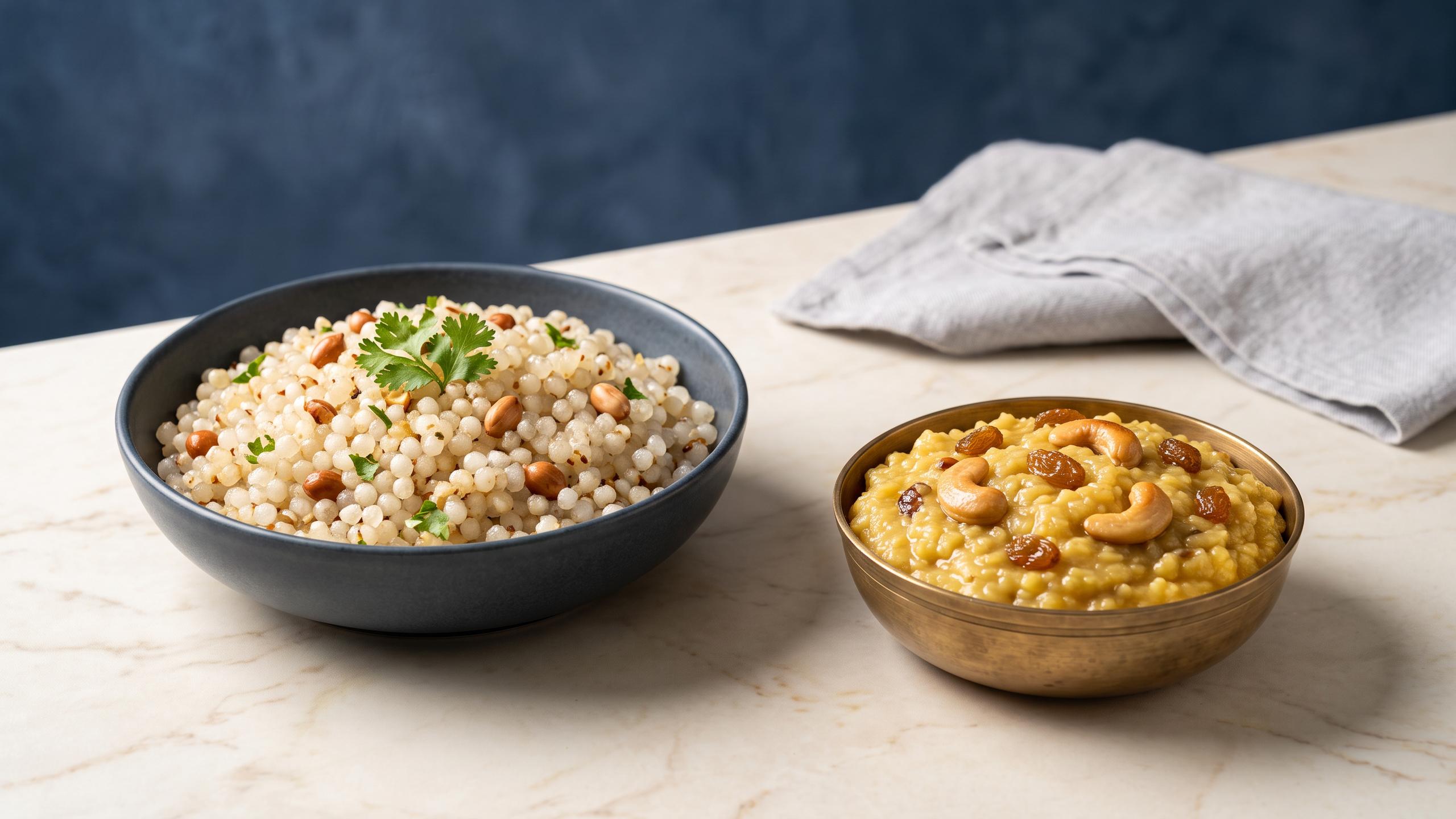
menu is built around alternatives like buckwheat flour (kuttu ka atta) and water chestnut flour (singhare ka atta), which are used to make puris and parathas. These are often paired with a simple yet flavourful potato curry (aloo ki sabzi), sometimes made with a tangy tomato base. Other staples include samak rice (barnyard millet), which is used to make khichdi, and sabudana (tapioca pearls). Dairy products like paneer and yogurt play a key role, and meals are seasoned with rock salt (sendha namak). On the final days of the fast, many households perform 'Kanya Puja', where young girls are offered a feast of puri, halwa, and chana.
The West: Gujarat and Maharashtra's Fasting Delicacies
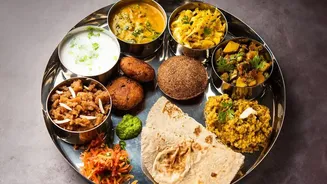
In Gujarat and Maharashtra, fasting is observed with a unique culinary flair. Sabudana is a star ingredient, transformed into the beloved Sabudana Khichdi and crispy Sabudana Vada, providing energy for the long days of celebration and dance. Gujarati 'farali' food includes specialities like farali pattice (spiced potato patties) and dhokla made from fasting-approved flours. Maharashtrian fasting thalis are also popular, offering a variety of dishes like savoury pancakes (thalipeeth) made from a special fasting flour mix (upvas bhajani). While fasting is common, the festive spirit is high, especially in Gujarat, which is famous for its vibrant Garba and Dandiya Raas nights.
The East: Bengal's Feasting during Durga Puja
Eastern India, particularly West Bengal, offers a complete contrast. Here, the festival is celebrated as Durga Puja, and it is a time for grand feasting rather than fasting. The occasion is seen as the homecoming of the goddess, and she is welcomed with the best food available, which often includes non-vegetarian dishes. While community pandals typically serve a vegetarian 'bhog' of khichuri (a rice and lentil dish), labra (mixed vegetables), and payesh (rice pudding), home kitchens are filled with the aromas of Kosha Mangsho (slow-cooked mutton curry), fish curries, and biryani. This practice is rooted in the region's Shakta traditions, which view feasting as a form of devotion and celebration.
South India: Golu and Sundal
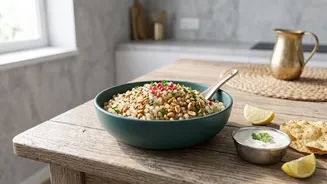
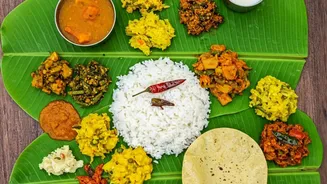
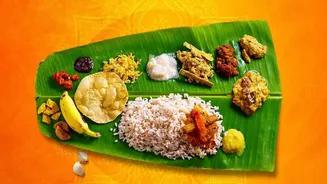
In the southern states of Tamil Nadu, Karnataka, and Andhra Pradesh, Navratri is celebrated with the beautiful tradition of 'Golu' or 'Kolu'—an elaborate display of dolls and figurines. Food is central to these celebrations, but the focus is on daily offerings (naivedyam) rather than strict fasting. The signature dish of a South Indian Navratri is Sundal, a savoury preparation made from different legumes and pulses. Each day, a different kind of sundal, such as one made from chickpeas, peanuts, or green gram, is prepared and offered to the goddess before being distributed to guests. Other popular offerings include sweet dishes like Payasam (a milk-based pudding) and various rice preparations like lemon rice and coconut rice.