


From Sun to Storm
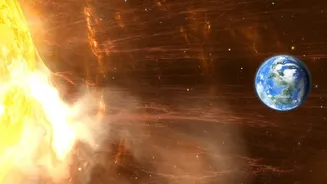
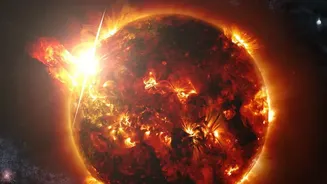
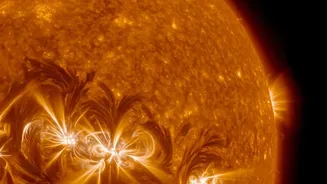
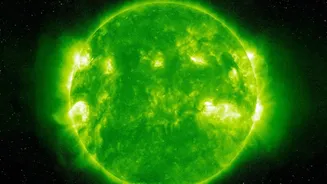
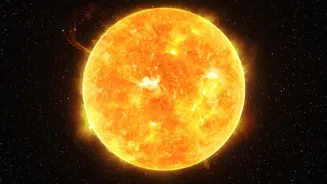
Our Sun is a dynamic star, constantly buzzing with activity. Sometimes, this results in a solar flare, a tremendous explosion of radiation from its surface. Often accompanying these flares are Coronal Mass Ejections (CMEs), which are gigantic clouds of magnetised
plasma and charged particles hurled into space. While a flare's radiation reaches Earth in about eight minutes, a CME cloud travels slower, taking anywhere from one to several days to arrive. It's the arrival of this particle cloud that spells potential trouble for our planet's technological systems.
The Geomagnetic Disruption
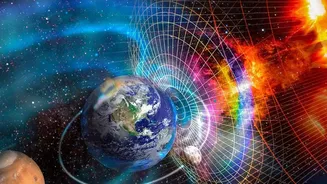
Earth is protected by a magnetic shield called the magnetosphere. When a CME slams into this shield, it can cause a major disturbance known as a geomagnetic storm. This interaction energises the magnetosphere, causing powerful electrical currents to flow in the space around our planet. These storms are responsible for the beautiful auroras, but they also induce currents in the ground below—a phenomenon called geomagnetically induced currents, or GICs. These GICs seek out long conductors to travel through, making sprawling power grids and pipelines unintentional targets.
How a Storm Causes a Blackout
Power grids are designed to handle alternating current (AC), but GICs are more like direct current (DC). When these quasi-DC currents enter the grid, they flow into the massive, high-voltage transformers that are the backbone of our electrical system. This influx can cause the transformer's magnetic core to saturate, leading to severe overheating, damage to internal components, and voltage instability across the network. Ultimately, this can cause protective relays to trip, leading to blackouts, or even permanently destroy the transformers, which are expensive and can take years to replace.
The High-Altitude Vulnerability
While all grids are at risk, high-altitude regions face unique challenges. Geomagnetic storms have a stronger effect at higher latitudes, closer to the Earth's magnetic poles. Furthermore, the geology of a region plays a crucial role. Areas with resistive, rocky ground (like many mountainous regions) don't absorb GICs well, forcing more of the current into man-made conductors like power lines. This combination makes high-altitude power infrastructure, which often traverses vast distances over such terrain, particularly susceptible to the damaging effects of space weather.
The Power of an Early Warning
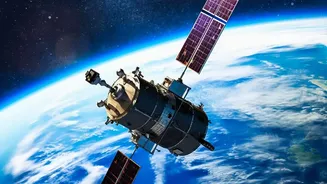
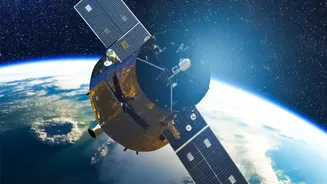
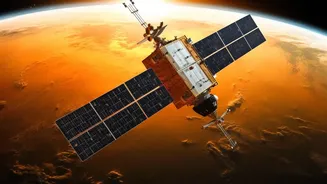
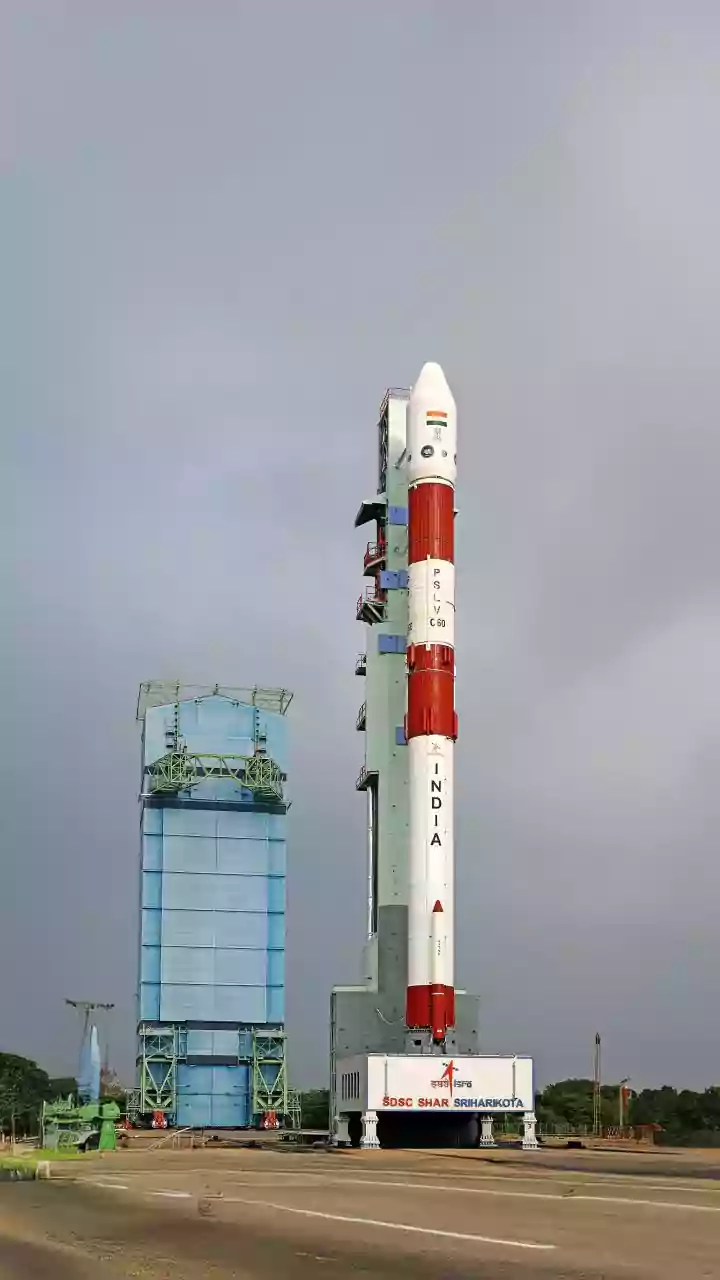
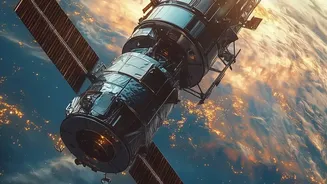
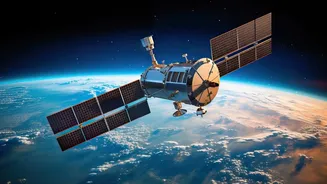
This is where real-time monitoring becomes critical. Space-based observatories, like India's Aditya-L1 mission, are positioned to see solar flares and CMEs as they happen. Aditya-L1 is located at Lagrange Point 1 (L1), about 1.5 million kilometres from Earth, giving it an uninterrupted view of the Sun. Its instruments can detect the eruption and analyse the speed and direction of a CME, providing a vital early warning—anywhere from several hours to a couple of days—before the storm hits Earth.
Taking Protective Action
An advance warning from missions like Aditya-L1 is not just an interesting piece of data; it's an actionable alert. Armed with this information, power grid operators can take preemptive measures to protect their systems. These actions can include reducing the load on the grid, temporarily taking certain vulnerable transformers offline, or cancelling planned maintenance. India’s Regional Warning Centre (RWC) is part of a global network that collects and disseminates such data to protect critical infrastructure. By having a heads-up, operators can brace the grid for the incoming geomagnetic disturbance, significantly reducing the risk of a widespread, long-lasting blackout.