



The Tradition of Fermentation
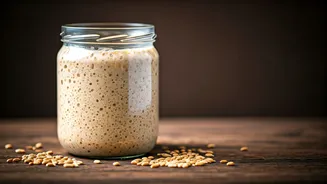
Fermentation is an ancient technique of preserving food that has been used for centuries across the globe. [8, 19] It’s a natural process where microorganisms like bacteria and yeast break down sugars and starches in food. [5] This process not only preserves
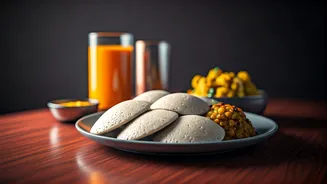
the food but also creates unique flavours, enhances nutritional value, and produces beneficial compounds like probiotics. [4, 5, 21] In India, fermentation is deeply rooted in our traditional cuisine. Think of the overnight-fermented batter for fluffy idlis and crisp dosas, the tangy dhokla from Gujarat, or the comforting bowl of homemade dahi. [3, 4] These foods were part of our diets long before terms like 'probiotic' became popular, valued for their taste and digestibility. [10]
Your Gut: An Inner Ecosystem
To understand the hype around fermented foods, we first need to talk about the gut microbiome. Your digestive tract is home to trillions of microorganisms, collectively known as your gut microbiota. [23] This inner ecosystem is crucial for your overall well-being. It helps digest food, produces essential vitamins, and plays a significant role in regulating your immune system. [17, 23] A diverse and balanced gut microbiome is linked to better health, while an imbalance can contribute to various issues. The good bacteria in your gut help keep harmful pathogens in check, strengthen the intestinal walls, and reduce inflammation throughout the body. [19, 23]
The Gut-Health Connection
This is where fermented foods shine. Many are rich in probiotics, which are live, beneficial bacteria that support a healthy gut. [19] When you eat these foods, you're introducing these friendly microbes to your digestive system. Research suggests that a diet rich in fermented foods can increase the diversity of your gut microbes and decrease signs of inflammation. [9] One Stanford University study found that participants who ate a diet high in fermented foods like yogurt, kimchi, and kefir for 10 weeks showed a significant increase in microbiome diversity and a reduction in 19 inflammatory proteins. [9] These foods can also make nutrients easier to digest and absorb. For instance, the fermentation process breaks down lactose in milk, which is why many people who are lactose intolerant can often tolerate yogurt and kefir. [5]
Traditional and Trending Ferments in India
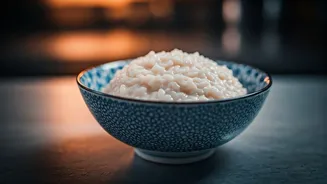
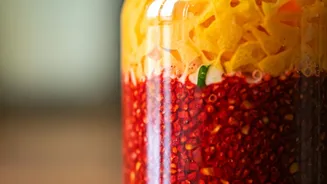
While international ferments like Korean kimchi, the fermented tea drink kombucha, and the dairy-based kefir are gaining popularity, India has its own treasure trove of gut-friendly foods. [3, 10] Dahi (curd) is a staple probiotic source in most households. [4] South Indian staples like idli and dosa are made from a fermented batter of rice and lentils. [3] Kanji, a tangy North Indian drink made from fermented black carrots, is a traditional winter delight known for its probiotic properties. [3, 10] Even our beloved achaar (pickles), when prepared through traditional lactic acid fermentation (and not just with vinegar), can be a good source of probiotics. [10, 12] Other regional gems include Panta Bhat (fermented rice) from the East and Handvo, a savoury fermented cake from Gujarat. [3, 12]
How to Add More Ferments to Your Diet
Incorporating fermented foods into your diet can be simple and delicious. Start by adding a bowl of homemade dahi to your lunch or enjoying a glass of chaas (buttermilk) during the summer. [12] You can have dosa or idli for breakfast or try a small portion of traditionally made pickle with your meal. When buying fermented products, it's important to read the labels. Some commercially produced items, like many shelf-stable sauerkrauts and pickles, are preserved with vinegar rather than through natural fermentation and do not contain live cultures. [6, 16] Similarly, processes like pasteurisation or baking can kill the live microbes, though the food might still offer some health benefits from the compounds created during fermentation. [8]
A Note on Moderation
While fermented foods are beneficial for most people, it's best to introduce them into your diet gradually. [16] A sudden increase can sometimes lead to temporary bloating or gas as your digestive system adjusts. [5] Also, some fermented products can be high in salt or added sugar, so moderation is key. [5] Individuals with specific health conditions, such as a compromised immune system or histamine intolerance, should consult a healthcare provider before significantly increasing their intake of fermented foods. [2] For most people, however, enjoying a variety of these flavourful foods is a safe and effective way to support gut health.