
A Brewing Threat in the Ice
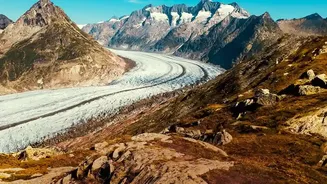
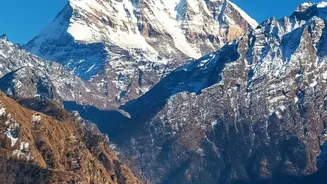
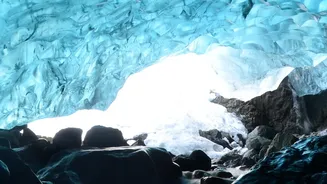
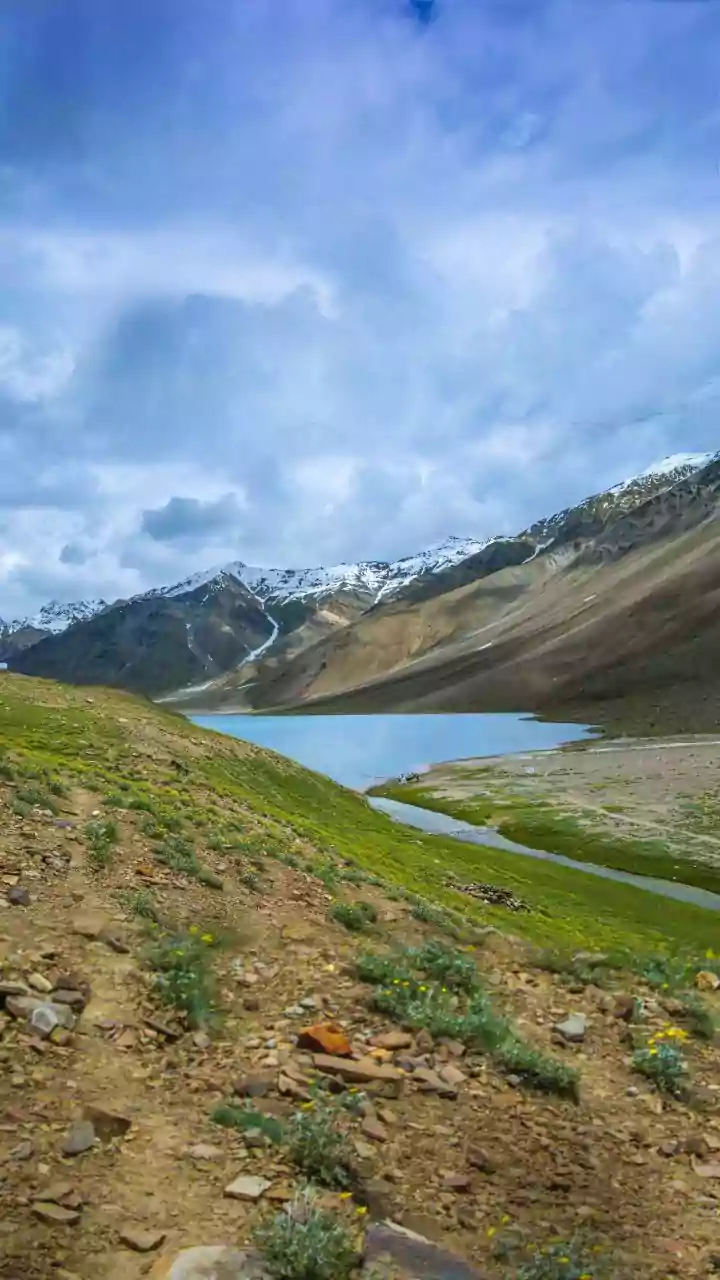
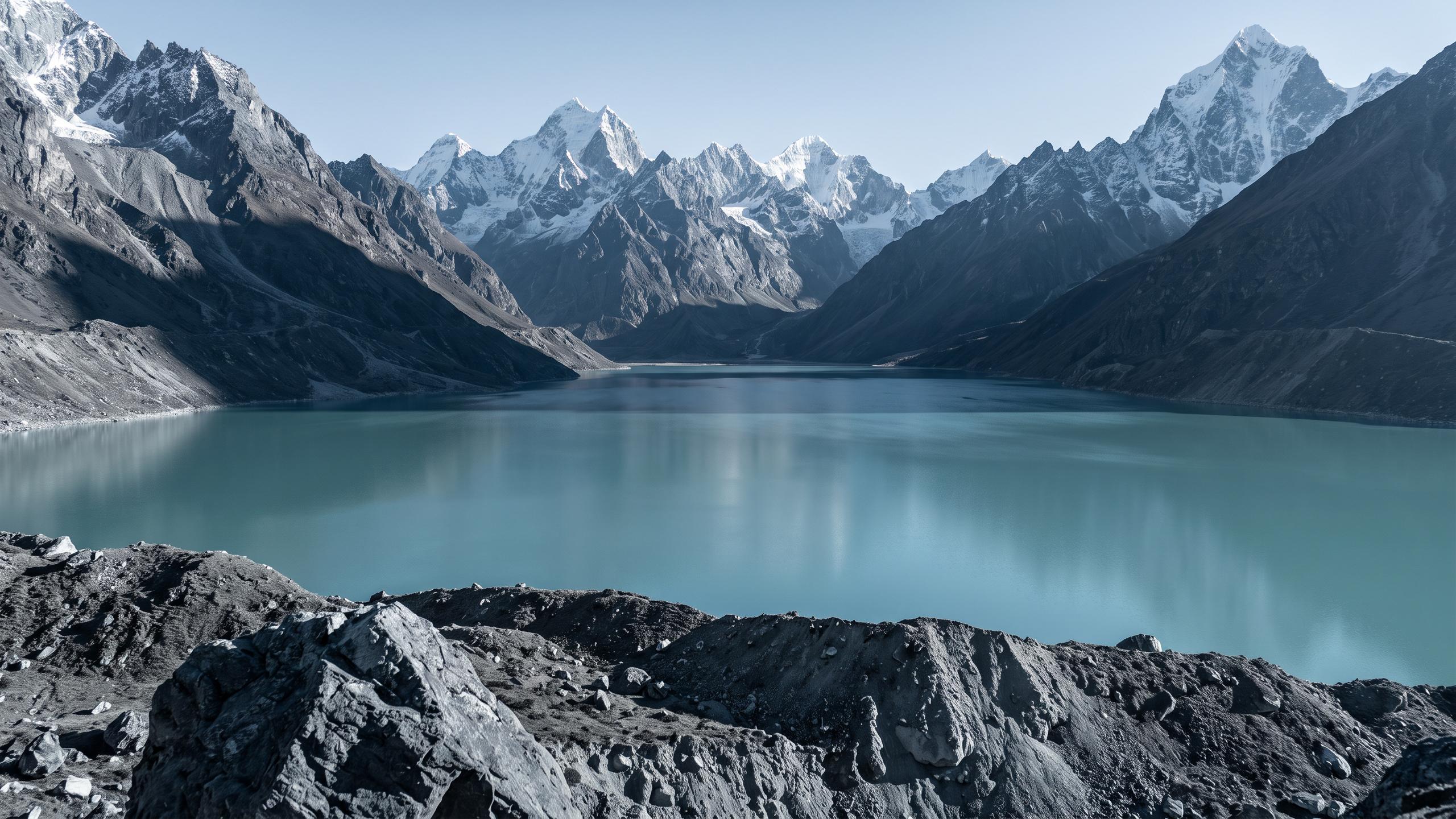
High in the Himalayas, often called the “Third Pole,” sits the largest concentration of glaciers outside the polar regions. As global temperatures rise, these rivers of ice are melting at an accelerated rate. This meltwater doesn't just disappear; it pools
in depressions left by retreating glaciers, forming vast bodies of water known as glacial lakes. These lakes are often held back by nothing more than unstable dams of loose rock and soil, called moraines. As the lakes swell with more meltwater, pressure on these fragile natural dams builds, creating a ticking time bomb perched thousands of metres above downstream communities.
When the Lake Breaks Free
The trigger for a Glacial Lake Outburst Flood (GLOF) can be sudden and violent. An earthquake, a massive avalanche of rock or ice crashing into the lake, or even just the immense pressure of the water itself can cause the moraine dam to fail. When it gives way, the lake doesn't just drain; it bursts, releasing a colossal volume of water in a matter of minutes or hours. This initial torrent is powerful, but it's what happens next, as the water begins its journey down the mountain, that reveals the true destructive potential of a Himalayan GLOF.
The Terrain's Deadly Multiplier Effect
This is where the unique geography of the Himalayas plays its deadly role. The region is defined by some of the steepest slopes and narrowest valleys on Earth. As the initial wave of water surges downwards, the extreme inclines cause it to accelerate dramatically. Rather than spreading out, the flood is channelled into tight, V-shaped river canyons that concentrate its force, creating a torrent of unimaginable power. The floodwaters violently erode the riverbed and valley walls, which are often composed of loose sediment and rock. This process transforms the flood from a simple rush of water into a thick, fast-moving slurry of water, mud, and boulders—some as large as cars. This debris flow is far denser and more destructive than water alone, moving with the consistency of wet concrete and obliterating everything in its path.
A Cascade of Downstream Destruction
By the time the flood reaches populated areas, it is no longer just water; it is a thundering avalanche of debris. This is why GLOFs are so devastating. They don't just flood villages; they demolish them, wiping out bridges, hydroelectric plants, and entire communities. The sheer force can carve out new river channels and leave behind a thick blanket of sediment, rendering farmland unusable. Events in Nepal have shown that the impact can be felt dozens of kilometres downstream, with the destruction of vital infrastructure having long-term economic consequences for tourism, agriculture, and energy sectors. Tragically, because these events happen so quickly and often in remote regions, effective warning systems are difficult to implement, leaving communities with little to no time to escape.
A Shared Challenge Beyond Borders
The risk posed by GLOFs is not confined to Nepal. The entire Hindu Kush Himalayan region, which spans eight countries including India, Pakistan, and China, faces the same escalating threat. Many of the most dangerous glacial lakes are located in transboundary regions, meaning a flood originating in one country can have catastrophic consequences in another. Since 1977, Nepal has experienced 26 GLOFs, with 11 of those originating outside its borders. This underscores the urgent need for international cooperation on monitoring these unstable lakes, sharing data, and developing early warning systems that can protect the nearly two billion people who live in the shadow of the Third Pole.