







The Chemistry of Celebration
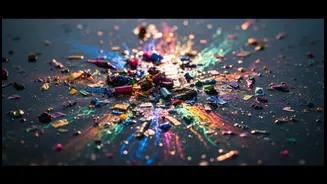
To understand the environmental footprint, we first need to look inside the firework. The brilliant colours are not magic; they are chemistry. Each burst is a carefully designed chemical reaction. Metal salts are responsible for the vibrant hues: strontium
for red, barium for green, copper for blue, and sodium for yellow. To make them explode and launch into the sky, fireworks rely on propellants and oxidisers. A key ingredient often used as an oxidiser is a chemical compound called perchlorate. These components—heavy metals and perchlorates—are at the heart of the environmental concern. When a firework explodes, it releases a cocktail of fine particulate matter, gases, and the unburnt chemical residues into the atmosphere.
From the Sky to the Stream
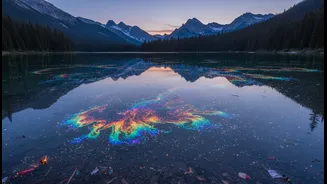
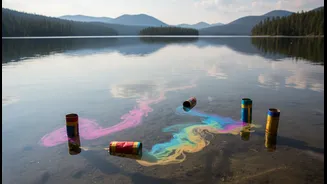
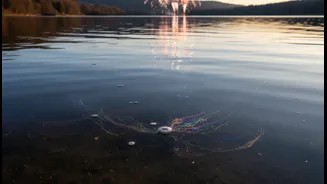
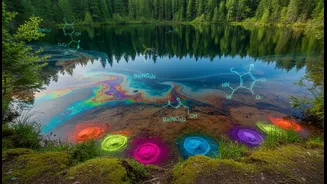
What goes up must come down. The chemical-laden smoke and debris from fireworks don't just vanish. These particles and residues settle on the ground, on rooftops, and directly into lakes, rivers, and reservoirs. Rain then washes the pollutants from soil and surfaces into the watershed. Studies show that after major fireworks displays, the concentration of certain chemicals in nearby water bodies can spike dramatically. One study found perchlorate levels in a lake increased by over 1,000 times the normal value following a show. Recent laboratory research has also found that when spent firecracker debris is placed in lake and river water, it leaches significant amounts of metal ions like potassium and manganese, altering the water's fundamental chemistry.
A Hidden Health Concern
The primary chemical of concern for water quality is perchlorate. This compound is highly soluble and mobile in water, meaning it can easily contaminate drinking water sources. The main health risk associated with perchlorate is its ability to interfere with the thyroid gland. The thyroid needs iodide to produce hormones essential for metabolism and, crucially, for brain development in foetuses and infants. By blocking iodide uptake, perchlorate can disrupt normal thyroid function. While many communities may not have concerning levels, areas near frequent, large-scale fireworks displays or manufacturing sites are at higher risk. Beyond perchlorate, the heavy metals used for colour can also pose a threat to aquatic life and ecosystem health when they accumulate in water.
The Indian Context: A Festival of Pollutants
In India, the issue is particularly relevant due to the massive scale of firework use during festivals like Diwali. While air pollution from festival fireworks is a well-documented and visible crisis, the impact on water is a growing area of concern. Studies conducted in India have confirmed the link between fireworks and pollution, noting sharp increases in particulate matter and associated chemicals. Research in Kerala found concentrations of perchlorate in both soil and water samples taken after firework events. Given that many Indian cities already grapple with stressed water resources and pollution, the added burden from festive fireworks is a significant issue that demands greater awareness and scientific scrutiny.
Moving Towards Safer Celebrations
The environmental impact of fireworks does not mean an end to celebrations. Rather, it calls for more conscious choices. The most direct way to mitigate water pollution is to properly collect and dispose of all firework debris so it cannot be washed into waterways. Some experts also point to the development of 'green' fireworks, which aim to use nitrogen-rich salts or other compounds that are less toxic than traditional perchlorates and heavy metals. For large public gatherings, spectacular drone light shows are emerging as a popular and pollution-free alternative that can deliver the same sense of awe. As awareness grows, communities can weigh the temporary thrill of a firework against the long-term health of their environment.