







From Tradition to Trend
For generations, India has been a global leader in vegetarianism. Our plates have been rich with paneer, lentils, chickpeas, and an incredible variety of vegetables. We mastered plant-based eating long before it became a Silicon Valley buzzword. But the
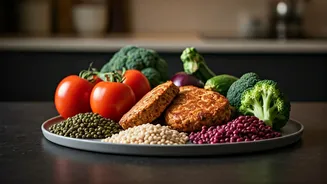
current ‘plant-based revolution’ is something different. It’s not just about avoiding meat; it’s about creating alternatives that replicate the texture, taste, and experience of meat and dairy, powered by food science. While soya chaap has long been a street-food staple, this new wave is driven by startups creating products for the modern, urban kitchen—think ready-to-cook patties, sausages, and nuggets that promise convenience without compromise.
A World on Your Plate
The secret ingredient powering this shift? Globalisation. Indian plant-based brands are strategically infusing their products with international flavours to capture the imagination of a new generation of consumers. Walk down the frozen food aisle today and you’ll find plant-based chicken nuggets seasoned with fiery peri-peri, mock meat patties with a smoky American BBQ glaze, or sausages spiced with Italian herbs. Brands like Blue Tribe Foods, Shaka Harry, and Imagine Meats are leading the charge. You can find everything from Japanese-style chicken katsu and Mexican-spiced burger patties to plant-based keema that fits perfectly into a taco. This isn't just about borrowing flavours; it's about adapting them to the Indian palate, creating a sense of excitement and novelty that traditional vegetarian fare sometimes lacks.
The Millennial and Gen Z Appetite
So, why is this trend taking off now? The answer lies in the changing tastes of India’s urban youth. Millennials and Gen Z are more connected to global culture than any generation before them. Through travel, social media, and streaming services, they are exposed to a world of culinary possibilities and are eager to try them. This demographic is also increasingly driven by concerns about health, environmental sustainability, and animal welfare. According to a 2021 report by the Good Food Institute (GFI) India, a significant portion of urban consumers are actively looking to reduce their meat consumption. These new plant-based products offer the perfect solution: they provide the familiar satisfaction and flavour profiles of non-vegetarian dishes while aligning with modern ethical and wellness values.
A Smart Strategy, Not Just Spice
For plant-based companies, adopting global flavours is a shrewd business move. It immediately differentiates their products from the vast array of traditional vegetarian options already available. It creates an aspirational appeal, positioning these foods as premium, modern, and exciting. In a market where consumers are constantly seeking new experiences, a chipotle-flavoured plant-based mince or a pack of herbed Italian sausages stands out. It helps these brands compete for the attention of ‘flexitarians’—people who eat meat but want to reduce their intake—by offering a compelling and flavourful alternative rather than just a moral one. This strategy allows them to carve out a niche in the rapidly growing ready-to-eat and ready-to-cook market segments.
Beyond the Mock Burger
This flavour fusion isn't limited to mock meats. The plant-based dairy sector is also getting a global makeover. While India has its traditional dairy alternatives, the market is now seeing a surge in oat and almond milks designed for cappuccinos and lattes—a direct nod to global café culture. Vegan cheese brands are launching products that mimic mozzarella for pizzas and cheddar for sandwiches. Even plant-based ice cream is moving beyond classic Indian flavours to embrace international favourites like Belgian chocolate, tiramisu, and salted caramel. The goal is the same: to provide a one-to-one replacement for a conventional product, ensuring the consumer doesn't feel like they're missing out on a global culinary experience.