






More Than a Fashion Statement
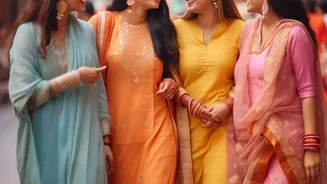
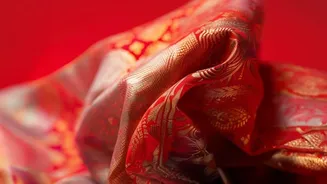
In recent years, handloom has found a prominent place in the urban Indian wardrobe. Promoted as ethical, sustainable, and uniquely beautiful, fabrics like khadi, Ikat, and Banarasi silk have become symbols of conscious consumerism. This is a welcome shift,
celebrating the artistry and eco-friendly nature of handwoven textiles. However, viewing handloom merely through the lens of a fashion trend, however positive, risks overlooking its most profound significance: its role as a colossal pillar of the Indian economy and a lifeline for its rural communities. The date of National Handloom Day itself, August 7, commemorates the 1905 Swadeshi Movement, which championed domestic production and economic self-reliance—a spirit that is about much more than just aesthetics.
The Scale of the Sector: A 3.5 Million Strong Workforce
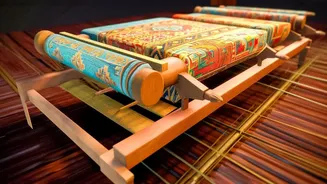
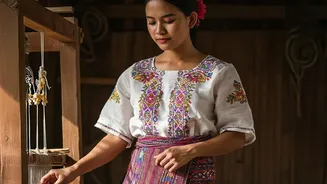
The headline figure of 35 lakh, or 3.5 million, is not an exaggeration. According to the Handloom Census of 2019-20, the sector provides employment to 35.22 lakh people, making it the second-largest employer in India after agriculture. This workforce includes weavers and those in allied activities like dyeing, spinning, and preparing the looms. To put this number in perspective, it is larger than the entire workforce of the Indian Railways. A staggering 72% of these handloom workers are women, making the sector a critical engine for female economic empowerment, particularly in rural areas. When you purchase a handloom product, you are not just buying a piece of cloth; you are supporting a vast, decentralised network of skilled artisans.
A Lifeline for Rural and Semi-Rural India
The handloom industry is fundamentally a rural one. It provides non-farm employment in villages where other opportunities may be scarce, helping to reduce migration to overcrowded cities. For countless families, weaving is a source of supplementary income that complements agriculture, offering financial stability through lean seasons. Furthermore, this craft preserves and passes down invaluable cultural heritage. Each region's weave tells a story through its motifs, colours, and techniques, from the golden Muga silk of Assam to the intricate Kanjivarams of Tamil Nadu. By sustaining the handloom sector, we are also protecting a living museum of India's diverse cultural identity.
The Fragile Threads of a Legacy
Despite its scale and importance, the handloom sector faces immense challenges. Weavers struggle with competition from cheaper, mass-produced power loom fabrics that often imitate handwoven designs. Many weavers face inconsistent income, with a majority earning less than ₹5,000 per month, which deters the younger generation from taking up the craft. Other hurdles include rising costs of raw materials like yarn and dyes, and a lack of direct market access, which forces many to rely on middlemen who absorb a large chunk of the profits. Government initiatives like the National Handloom Development Programme and MUDRA loans for weavers aim to provide support, but their benefits do not always reach every artisan.
How Your Choice Can Make a Difference
As consumers, our choices hold the power to either weaken or strengthen this vital sector. Treating handloom as more than a fleeting trend involves a conscious shift in perspective. It means asking questions about the origin of a product, seeking out authentic handloom marks and certifications, and, where possible, buying directly from weavers' cooperatives or ethical brands that ensure fair wages. Supporting this industry is an investment in sustainable livelihoods, women's empowerment, and the preservation of India's priceless artistic traditions. It transforms a simple purchase into an act of partnership with the 3.5 million artisans who weave the fabric of our nation.