





Deconstructing the 'Superfood' Hype
First, let's address the term 'superfood'. In reality, it's more of a marketing buzzword than a scientific classification. There is no official definition used by dietitians or regulatory bodies. The label is often applied to nutrient-dense foods, particularly
those rich in antioxidants, vitamins, and minerals. However, this marketing halo can make us believe these often-expensive and imported ingredients, like quinoa or acai berries, are magical keys to health. The truth is, no single food can provide all the nutrients our bodies need. A healthy diet is about balance and variety, not chasing the latest trendy ingredient.
Peak Nutrition and Flavour
One of the most compelling reasons to choose seasonal produce is its superior nutritional profile. Fruits and vegetables that are harvested at their natural peak, after ripening in the sun, contain the highest levels of vitamins, minerals, and antioxidants. Produce that travels long distances—so-called 'food miles'—is often picked before it's fully ripe and can lose significant nutritional value during transport and storage. Studies have shown that a freshly picked, in-season tomato can have a much higher Vitamin C content than one that has ripened in a shipping container. This principle also applies to flavour. Anyone who has tasted a juicy, sweet mango in the summer knows it's an experience that a bland, off-season fruit simply can't replicate.
Your Wallet Will Thank You
The economic argument for eating seasonally is just as strong. When a particular fruit or vegetable is in season, it's abundant, which naturally drives down the price. Think of the difference in cost for sweet corn during the monsoon versus in the middle of winter. That’s basic supply and demand. In contrast, imported superfoods carry the additional costs of transportation, storage, and marketing, making them significantly more expensive. Choosing local, seasonal produce is a simple way to eat healthier without straining your budget, all while supporting local farmers and the domestic economy.
A Kinder Choice for the Planet
The journey of an imported superfood from a farm in another continent to your plate has a significant environmental cost. The transportation of food via planes, ships, and trucks relies heavily on fossil fuels, contributing to greenhouse gas emissions and air pollution. This global food transport system accounts for nearly one-fifth of all food-related emissions. By choosing food grown closer to home, you drastically reduce these 'food miles' and the associated carbon footprint. Eating seasonally is a powerful way to make your diet more sustainable and eco-friendly.
Discover India’s Local Superfoods
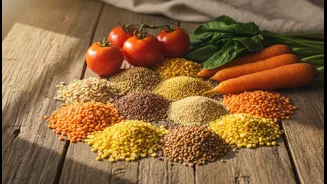
The good news is that India has its own incredible bounty of 'superfoods' that are seasonal, affordable, and perfectly suited to our nutritional needs. Instead of expensive quinoa, we have versatile and nutritious millets like jowar and bajra, and grains like amaranth (rajgira), which is packed with protein and calcium. Rather than searching for kale, look to the wide array of local greens like spinach (palak), amaranthus leaves, and moringa (drumstick leaves), which are nutritional powerhouses. Winter brings amla (Indian gooseberry), one of the most potent sources of Vitamin C, far surpassing exotic berries. By exploring our local markets, we can rediscover these domestic treasures that offer all the benefits without the high cost and environmental toll.