



The Lost Holiday Hours
The first day of a short holiday is often lost to the fatigue of an early start, navigating city traffic, and the general stress of transit. The last day is similarly consumed by the anxiety of the return journey, packing up, and travelling back, often arriving
home more tired than when you left. This phenomenon, where travel eats into precious leisure time, can make a three-day getaway feel like only one real day of vacation. The mental and physical toll of a difficult journey can cast a shadow over the entire experience. Instead of arriving refreshed and ready to explore, you spend hours recovering. The goal should be to make the journey an integral, and even enjoyable, part of the holiday, not a hurdle to be overcome.
Redefining 'Fastest' Travel
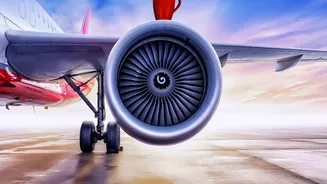
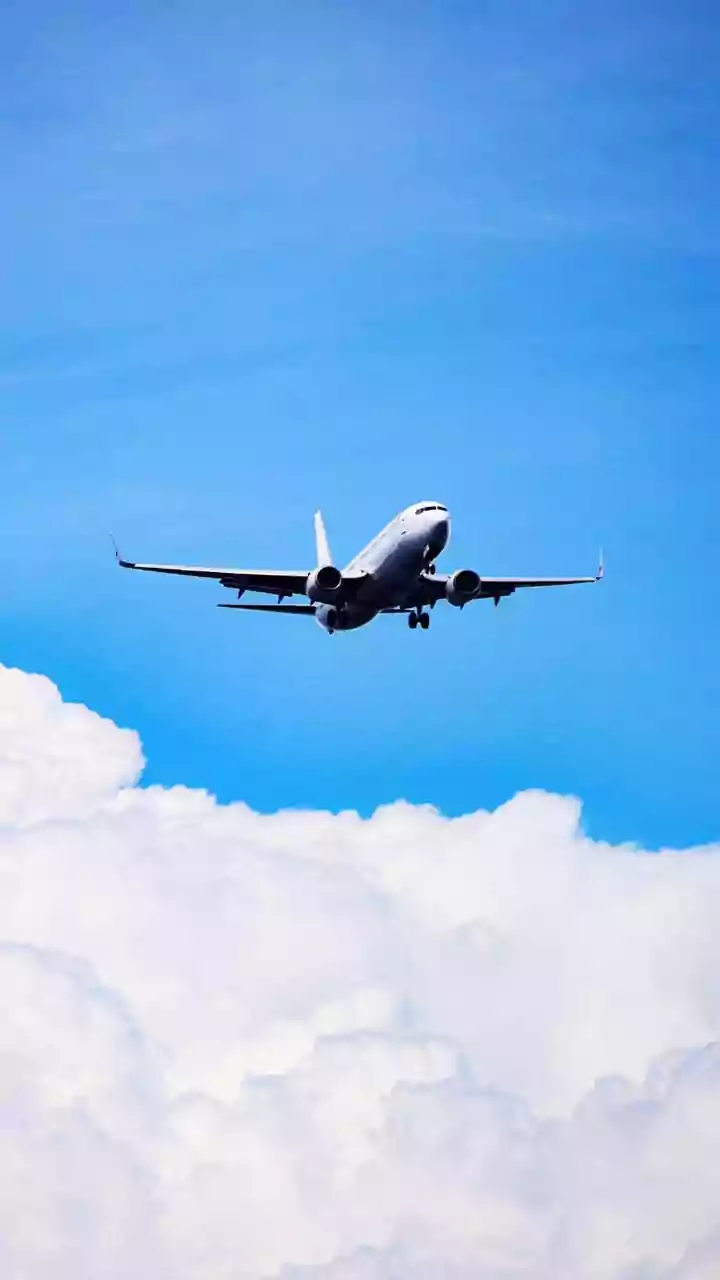
On paper, a one-hour flight seems like the fastest option. But 'fastest' is misleading. Consider the door-to-door time: travelling to the airport (often located far from the city), arriving two hours early for check-in and security, the flight itself, deplaning, waiting for baggage, and finally, travelling from the destination airport into the city. That one-hour flight easily becomes a four- to five-hour ordeal. This is where the concept of 'total travel friction' comes into play. It’s not just about the time spent in motion, but the cumulative stress of each step. Minimising this friction is the true path to maximising your holiday.
The Case for Premium Trains
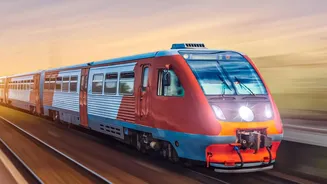
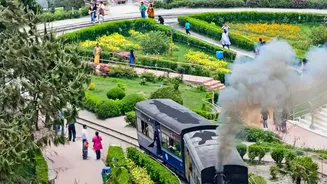
This is where modern train services like the Vande Bharat Express are changing the game for short-haul routes. These trains often travel from city centre to city centre, eliminating long and expensive taxi rides to and from airports. The boarding process is significantly less stressful, with minimal check-in and security procedures. Once on board, you can settle into a comfortable seat with ample legroom, get some work done, or simply watch the scenery roll by. For routes like Mumbai-Pune or Delhi-Chandigarh, the total door-to-door time via a premium train is often comparable to, or even less than, flying. Add the significant cost savings and reduced stress, and the train becomes a compelling choice for protecting your holiday time.
The Rise of the Luxury Bus
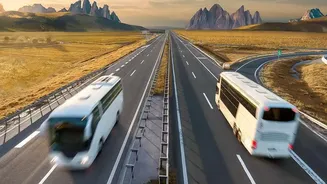
Don't dismiss the bus. The new generation of luxury sleeper buses offers a surprisingly comfortable and efficient travel option, especially for overnight journeys. Companies are offering services with airline-style amenities, including clean, private sleeping pods, onboard washrooms, and charging points. An overnight bus journey can save you the cost of a hotel for one night and, more importantly, save you a precious day of travel. You can board after work, sleep through the journey, and wake up in your destination city, ready to start your holiday. While road travel has its own variables like traffic, for many routes, these modern buses provide a balance of cost, comfort, and convenience that is hard to beat.
Driving: Freedom vs. Fatigue
Self-driving offers the ultimate freedom and flexibility. You can set your own schedule, make spontaneous stops, and explore off-the-beaten-path locations. It turns the journey itself into an adventure. However, this freedom comes at a cost. Navigating India's highways, especially when leaving or entering major metropolitan areas, can be incredibly stressful and time-consuming. Driver fatigue is a real concern, and arriving at your destination exhausted defeats the purpose of the getaway. If you choose to drive, frame it as a road trip—part of the holiday experience. Plan for relaxed driving times, take frequent breaks, and share the driving if possible. Don't treat it as a race to the finish line.