








Understanding the Hormonal Disruption
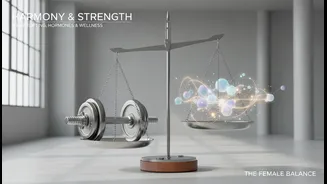
Lifestyle disorders, particularly PCOS, are often rooted in hormonal imbalances. A key player in this is insulin resistance. When your body's cells don't respond properly to insulin, the pancreas works overtime, pumping out more of it. This excess insulin can
then trigger the ovaries to produce higher levels of androgens (male hormones). This hormonal cascade can lead to a host of frustrating symptoms, including irregular periods, weight gain, acne, and fatigue, impacting a woman's quality of life. Chronic stress can also play a part, elevating cortisol levels, which further disrupts the delicate hormonal equilibrium.
How Weightlifting Rewires Your System
This is where strength training steps in as a powerful management tool. Think of your muscles as the body's largest storage sink for glucose (sugar). When you lift weights, you don't just build stronger muscles; you make them more efficient. Each training session increases your muscles' sensitivity to insulin. This means your body needs less insulin to do its job of managing blood sugar. With more muscle mass, your body has a larger, more effective system for clearing glucose from the bloodstream, which helps to break the cycle of insulin resistance that drives many PCOS symptoms. This improvement happens even without significant weight loss, making it a valuable strategy for all body types.
Taming Androgens and Reducing Stress
There's a common myth that lifting weights will make women “bulky” or increase male hormones. For women with PCOS, the opposite can be true. By improving insulin sensitivity, strength training helps reduce the primary trigger for excess androgen production. Studies have shown that a consistent resistance training programme can help lower androgen levels, which may lead to improvements in symptoms like acne and excess hair growth. Furthermore, while any intense exercise causes a temporary spike in the stress hormone cortisol, regular strength training can help your body become more resilient, potentially lowering your baseline cortisol levels over time. This contributes to better sleep, mood, and overall well-being.
What Does 'Heavy' Really Mean?
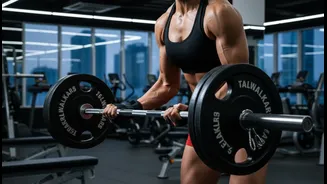
The term 'heavy weightlifting' can be intimidating, but it's entirely relative. 'Heavy' for you is a weight that challenges your muscles to adapt and grow stronger. This is guided by the principle of progressive overload—gradually increasing the weight, reps, or sets over time. It’s not about lifting massive amounts of weight from day one. For hormonal benefits, research suggests focusing on compound movements that work multiple muscle groups at once, like squats, deadlifts, and overhead presses. A routine might involve weights that you can lift with good form for 8-15 repetitions for several sets. The goal is to feel challenged by the last couple of reps, not to push to the point of pain or injury.
Getting Started Safely and Smartly
Starting a weightlifting journey is about empowerment, not intimidation. Begin with bodyweight exercises like squats, lunges, and push-ups to build a solid foundation and master correct form. When you do move to weights, start light to build confidence. Aim for two to three sessions per week, allowing your body adequate rest and recovery between workouts, as this is when your muscles repair and grow. Listening to your body is crucial; some days you'll feel stronger than others. If possible, consider working with a qualified trainer for a few sessions. They can help you create a personalised plan and ensure your form is safe and effective, setting you up for long-term success.