

Understanding the Graded Response Action Plan (GRAP)
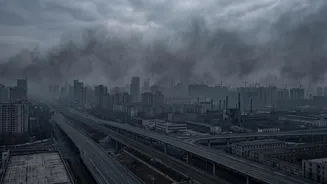
Every year, as pollution levels begin to climb, authorities in the National Capital Region implement the Graded Response Action Plan, or GRAP. It is a set of emergency measures that become incrementally stricter as the air quality worsens. The plan is divided
into four stages, triggered by the Air Quality Index (AQI). Stage I ('Poor', AQI 201-300) involves basic measures like controlling dust and stopping garbage burning. Stage II ('Very Poor', AQI 301-400) might include hiking parking fees to discourage private vehicle use. The real trouble for commercial drivers begins with Stage III ('Severe', AQI 401-450) and Stage IV ('Severe+', AQI above 450), which bring significant restrictions on vehicle entry and movement.
The BS-IV Barrier at the Border
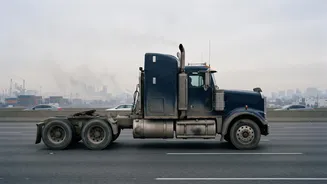
The rule that hits hardest is the ban on specific types of vehicles. When GRAP Stage III is invoked, authorities impose a ban on plying BS-III petrol and, more critically, BS-IV diesel light motor vehicles in Delhi and key NCR districts like Gurugram and Ghaziabad. This is a major problem for commercial vehicle operators from states like Haryana, Uttar Pradesh, Punjab, and Rajasthan. While Delhi has aggressively pushed for newer, cleaner BS-VI vehicles, many commercial fleets in neighbouring states still consist of older, BS-IV compliant models. These vehicles are perfectly legal in their home states but are barred from entering Delhi when the air is bad, creating a sudden and impenetrable barrier for drivers. From November 1, the restrictions become even tighter, with a blanket ban planned on most non-BS-VI commercial vehicles entering the capital.
The Daily Struggle of a Commercial Driver
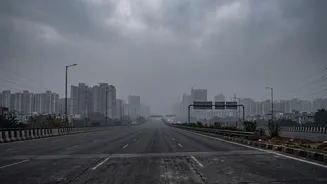
For a taxi operator from Sonipat or a light goods vehicle driver from Meerut, Delhi is a primary source of income. They make daily trips to ferry passengers, deliver goods, and keep the capital's massive economy moving. The GRAP restrictions throw their livelihood into chaos. A driver might start their journey legally, only to find that an overnight change in the GRAP stage means they are suddenly blocked at the Delhi border. This leads to lost fares, cancelled delivery orders, and the risk of heavy fines or having their vehicle impounded. Drivers are left with an impossible choice: risk a hefty penalty to complete a trip and pay their vehicle loan, or turn back and forfeit their day's earnings. This uncertainty makes it nearly impossible to plan their work and ensure a stable income during the winter months.
Economic Hardship Beyond the Driver's Seat
The financial impact extends far beyond a single lost trip. For many operators, their truck or taxi is their only asset, often purchased with a bank loan that requires steady monthly payments. A few weeks of being unable to enter Delhi can lead to defaulting on these EMIs, pushing families into financial distress. The transport associations representing these drivers have repeatedly highlighted this issue, arguing that while the goal of clean air is essential, the abrupt implementation of rules without providing viable alternatives or a transition period creates a deep economic divide. It effectively penalizes small-scale operators who cannot afford to immediately upgrade to a new BS-VI vehicle, which remains a significant capital investment.
A Search for Coordinated Solutions
The core of the problem lies in a fragmented approach to a regional issue. Air pollution does not respect state borders, yet policy responses often do. While Delhi enforces strict norms, neighbouring states may have different regulations, leaving cross-border commercial operators in a regulatory lurch. Experts and parliamentary committees have pointed out the need for a coordinated, 'airshed-level' plan that involves all NCR states working together. This could include harmonizing emission standards, providing financial support or subsidies for vehicle upgrades, and better-timed enforcement that gives drivers and transport companies a chance to adapt. Without such a holistic approach, Delhi's necessary fight for clean air will continue to come at a heavy cost for the very people who form the backbone of its service economy.