


An Introduction to Phirni
Phirni is a classic North Indian dessert, cherished for its smooth, creamy texture and subtle sweetness. Unlike kheer, which uses whole grains of rice, phirni is made with rice that has been ground to a coarse paste. This paste is then slow-cooked in milk
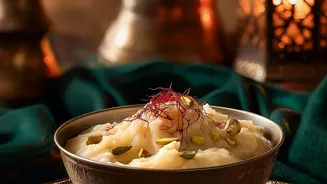
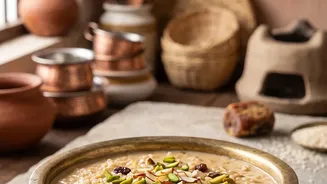
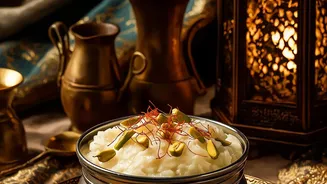
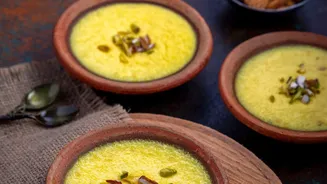
until it thickens into a pudding-like consistency. Traditionally flavoured with cardamom and saffron, and served chilled in earthenware bowls called 'shikoras', phirni is a festive staple, especially during Diwali and Eid. The addition of seasonal fruit pulp elevates this simple dessert, and sitaphal, with its naturally creamy and fragrant flesh, is an exceptional pairing.
The Heart of the Matter: Deseeding the Sitaphal
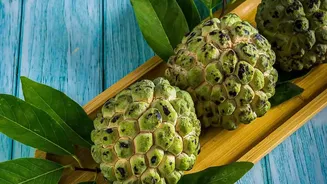
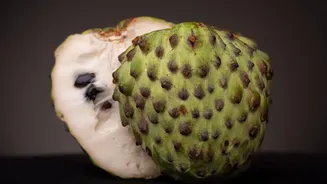
The most labour-intensive part of making this dessert is preparing the custard apple. The fruit's delicious pulp is studded with numerous black seeds, which can be tedious to remove. The easiest method involves scooping the pulp into a large-mesh strainer placed over a bowl. Using the back of a spoon or a spatula, gently press and move the pulp against the mesh. The soft flesh will pass through into the bowl below, leaving the seeds behind. Alternatively, you can gently pulse the pulp in a food chopper for a second at a time to loosen the seeds, being careful not to blend them.
Gathering Your Ingredients
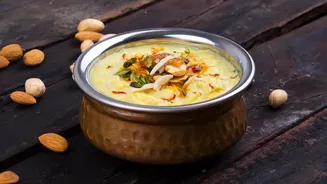
For the perfect Sitaphal Phirni, you will need a few key ingredients. At its core are full-fat milk and rice. Full-fat milk is essential for achieving that signature rich and creamy texture. Basmati rice is preferred for its fragrant aroma, though any white rice will work. You'll also need sugar, the pulp from 2-3 ripe custard apples, and flavourings like green cardamom powder. For garnish, slivered almonds and pistachios add a delightful crunch and visual appeal. A few strands of saffron, soaked in warm milk, can lend a beautiful hue and luxurious flavour.
A Step-by-Step Guide to Creamy Perfection
First, prepare the rice. Wash about ¼ cup of basmati rice and soak it in water for at least 30 minutes. Drain the rice completely and grind it into a coarse, semolina-like paste, using a little milk if needed to get the blender going. Next, bring 1 litre of full-fat milk to a boil in a heavy-bottomed pan, stirring occasionally. Once boiling, reduce the heat and slowly add the ground rice paste, stirring continuously to prevent any lumps from forming. Cook this mixture on a low flame for 15–20 minutes, stirring frequently, until the rice is cooked and the milk has thickened considerably. Now, add sugar to your taste (about ½ cup is a good start) and the saffron–infused milk, and cook for another few minutes until the sugar dissolves completely. Turn off the heat and let the phirni cool down to a warm temperature. It's crucial not to add the fruit pulp when the phirni is hot, as it can cause it to curdle. Once cooled, gently fold in the fresh sitaphal pulp and cardamom powder.
Serving and Chilling
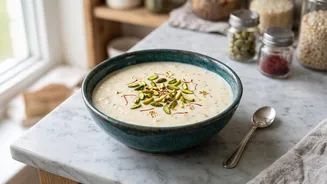
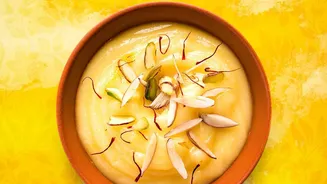
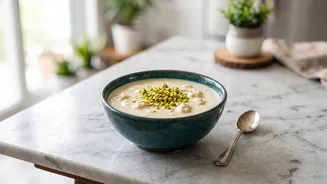
The final step is just as important as the cooking process. Pour the prepared phirni into individual serving bowls. For an authentic experience, use traditional earthenware bowls (matkas or shikoras). These porous bowls absorb excess moisture, making the phirni even thicker and imparting a subtle, earthy aroma. Garnish the top with a sprinkle of slivered pistachios and almonds. Phirni is a dessert that is always best served chilled. Refrigerate it for at least 3–4 hours, or preferably overnight, to allow the flavours to meld and the pudding to set perfectly. This chilling process is what gives phirni its characteristic dense, scoopable texture.