



A Season of Deficit
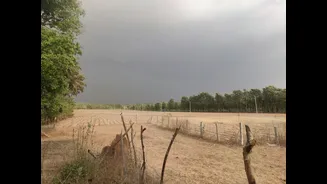
The 2026 southwest monsoon, the lifeblood for a majority of India's agriculture, has officially ended with a significant deficit. According to the India Meteorological Department (IMD), rainfall was about 13% below the long-period average, making it the weakest
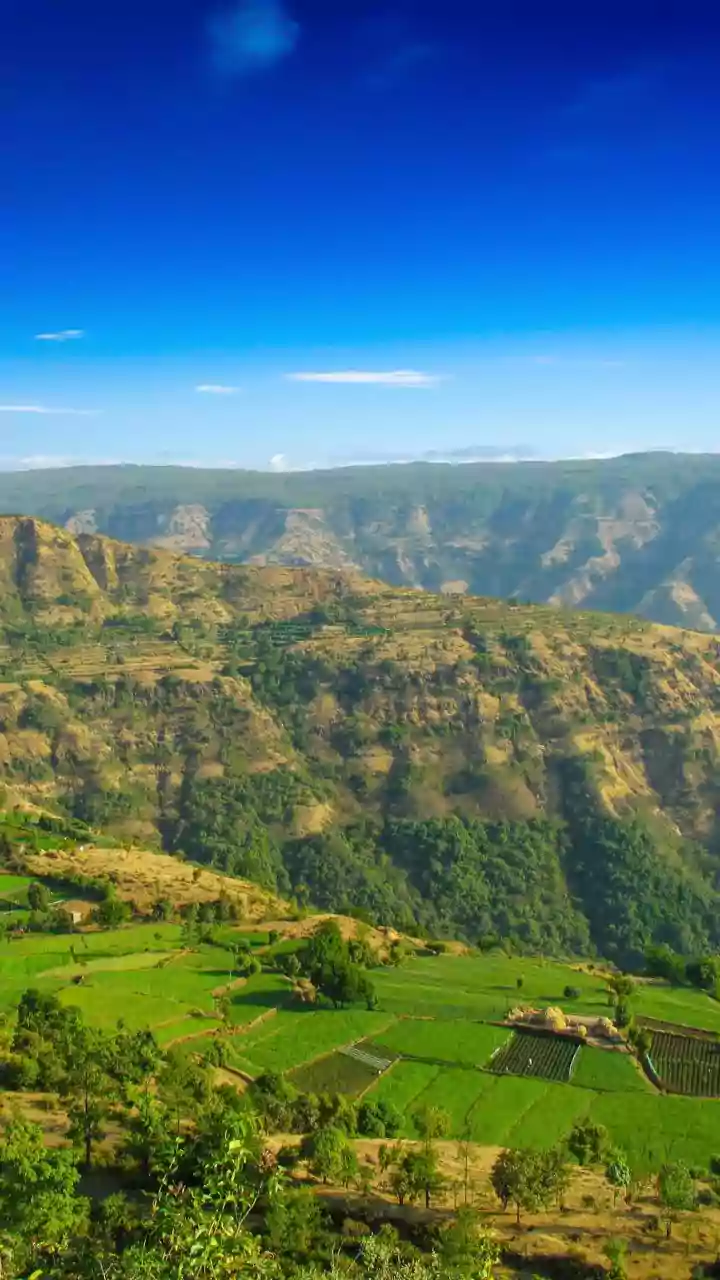
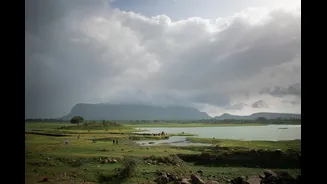
monsoon season since 2015. The distribution was also highly uneven, with some key agricultural states in southern and central India facing severe shortfalls. This deficit has had a two-pronged effect: it has hampered the sowing and growth of crucial Kharif (summer) crops and has led to alarmingly low water levels in reservoirs, which are vital for the upcoming Rabi (winter) crop season.
From Parched Fields to Strained Wallets
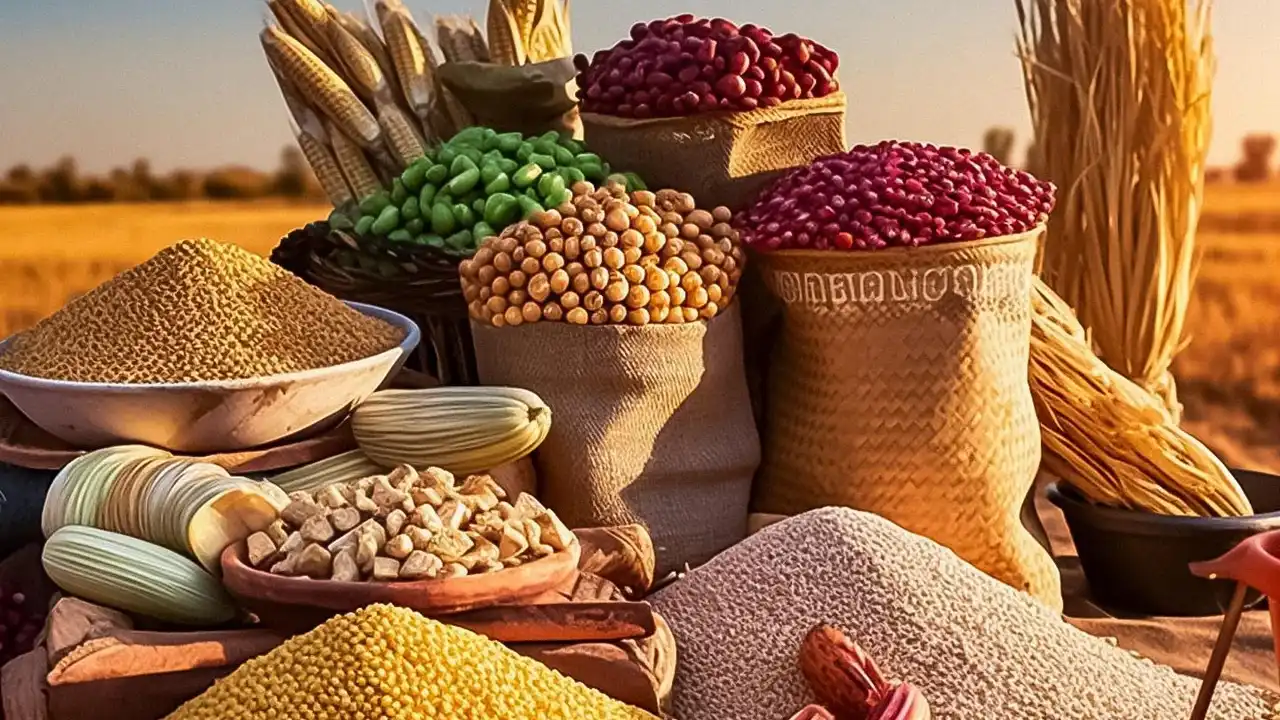
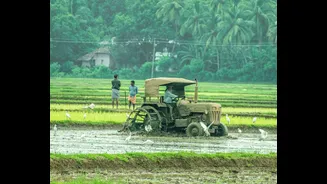
For millions of rural households, the monsoon is not just weather; it's their annual financial statement. A weak monsoon directly translates to lower crop yields and, consequently, reduced farm income. Crops like rice, cotton, and soybean have faced significant moisture stress during critical growth phases this year. Farmers report that even where crops were sown, lower yields and increased costs for inputs like diesel to run water pumps are eating into their profits. This financial squeeze comes at the worst possible time—just as families prepare for the festive period, a time traditionally associated with major purchases, from new clothes and consumer goods to vehicles and gold.
Which Sectors Are Feeling the Heat?
The ripple effects of weakened rural demand are expected to be felt across several key industries. Companies in the Fast-Moving Consumer Goods (FMCG) sector, which depend heavily on rural markets, are bracing for a slowdown. When household budgets tighten, discretionary purchases are the first to be postponed. The automobile sector, particularly two-wheelers and tractors, is also highly sensitive to rural sentiment and income levels. While automakers have been stocking up dealerships in anticipation of festive demand, analysts warn that the underlying weakness in rural consumption could moderate sales growth. Other sectors like consumer durables, apparel, and gold are also watching rural wallets with concern.
The Broader Economic Picture
The health of the rural economy is intrinsically linked to India's overall economic stability. A slowdown in rural spending can act as a drag on GDP growth. Furthermore, lower agricultural output raises the specter of food inflation, which can put pressure on the Reserve Bank of India and affect household budgets across the country, not just in rural areas. While the government has pointed to measures like promoting drought-resistant crops and creating employment through schemes like MGNREGA, the immediate impact of a poor harvest is difficult to offset completely. Some economists believe that while rural demand might weaken, strong exports and an urban investment cycle could provide a cushion, but the risk to overall consumption remains significant.
An Anxious Wait for Festive Sales
Ultimately, the true impact of the weak monsoon will become clear in the sales figures over the next few months. Retailers, from small town sari shops to large corporate showrooms, are on edge. While some surveys indicate a segment of consumers are still willing to spend, the pressure on mass-market and entry-level shoppers is palpable. The coming weeks will be a crucial test of the resilience of the Indian consumer and will determine whether the festive cheer can overcome the economic gloom brought on by a season of poor rains. All eyes are now on the market's performance during Dussehra and Diwali to gauge the real strength of the economy.