



The Great Protein Power Shift
For years, the gold standard for protein was whey, a dairy by-product that became synonymous with fitness culture worldwide. Protein bars in India followed this global trend, packing their products with imported whey concentrates. But as the Indian consumer
becomes more discerning, a shift is happening. Health consciousness is booming, with reports showing that a staggering 86% of Indian consumers now prioritise protein in their snacks. This has led to a massive expansion of the protein bar market, which is expected to grow significantly in the coming years. However, this new wave of consumers isn't just looking for high protein content; they are looking for ingredients they know, trust, and that align with their wellness goals, pushing brands to innovate beyond the usual suspects.
Meet The Desi Superfood Champions
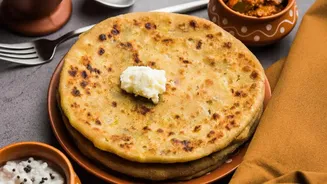
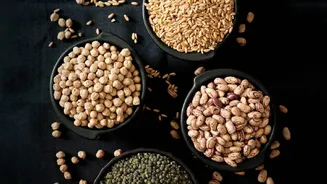
The new stars of the protein world aren't concocted in a lab—they've been staples in Indian kitchens for centuries. At the forefront is sattu, or roasted gram flour. This humble ingredient is a nutritional powerhouse, packed with plant-based protein, fibre, and essential minerals. Traditionally consumed as a cooling drink in summer, sattu is now being hailed as an 'Indian superfood' and finding its way into energy bars that appeal to a sense of cultural familiarity. Joining sattu are millets like jowar, bajra, and ragi. Following government initiatives and a global push for sustainability, these 'nutri-cereals' are making a major comeback. They are naturally gluten-free, rich in fibre, and require far less water to grow than rice or wheat, adding an eco-friendly appeal. These ingredients resonate with consumers looking for whole, unprocessed foods.
Driven by Health, Trust, and Taste
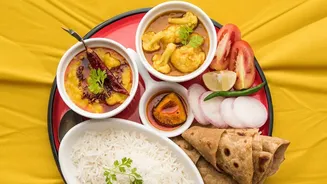
So, what's behind this homecoming? A key driver is the demand for 'clean labels'. Consumers are wary of ultra-processed foods and long lists of artificial ingredients. Homegrown proteins like sattu and millets feel more natural and trustworthy. This preference for plant-based sources is a natural fit for India, where such diets are already prevalent. There's also a powerful cultural element. These ingredients offer familiar flavours that are deeply rooted in regional culinary traditions. For many, a sattu bar isn't just a protein snack; it's a convenient, modern version of a food they grew up with. Brands are realizing that to win in the diverse Indian market, they must cater to these local tastes rather than just offering generic global flavours.
How Brands Are Embracing the Trend
The market is responding swiftly. A new generation of Indian snack brands is building their entire identity around ingredient transparency and the use of traditional superfoods. They are creating innovative products like savory sattu protein bars, ragi-based cookies, and millet energy balls that cater directly to the Indian palate. Even legacy food companies are taking note, exploring ways to incorporate healthier, local ingredients to modernise their snack portfolios without losing their traditional appeal. This shift is also supported by the cost-effectiveness of sourcing locally, which can make nutritious snacks more affordable and accessible to a broader audience compared to those relying on expensive imported proteins.