




The Feast and Famine Cycle
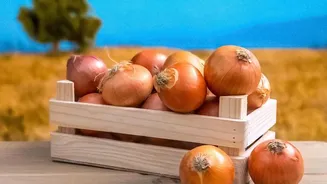
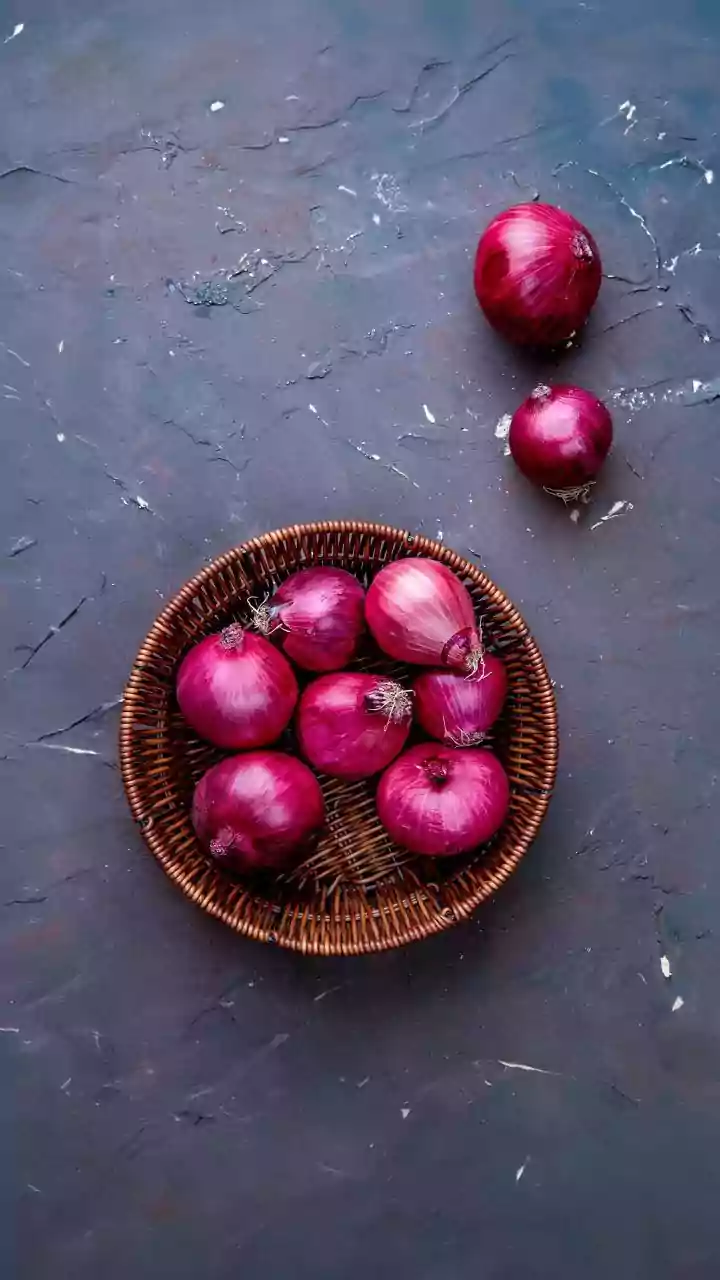
India harvests onions across three seasons: Kharif (Oct-Dec), late Kharif (Jan-Mar), and Rabi (Mar-May). The Rabi crop is the most significant, accounting for 60-70% of the country's total production. This particular harvest has better keeping quality,
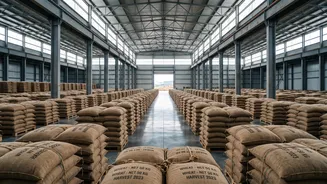
making it the backbone of India's onion supply for nearly six months. These bulbs must be stored to feed the nation until the Kharif crop arrives in October. This creates a critical storage window from May to October where the nation's supply depends almost entirely on the condition of stored Rabi onions. Any failure in this storage chain directly leads to the infamous price spikes seen during the lean months.
Battling Rot, Sprouting, and Weight Loss
Once harvested, onions are vulnerable to a trio of threats: rotting, sprouting, and physiological weight loss from moisture evaporation. In tropical climates with high humidity and temperature, these problems are magnified. Traditional storage methods, like keeping onions in bamboo structures ('chawls') or on floors, often lack proper ventilation and climate control. This leads to a build-up of moisture, which encourages fungal diseases and rot. As the dormancy period of the bulb ends, sprouting begins, especially if temperatures are not controlled. These factors combined contribute to staggering post-harvest losses, with some estimates suggesting that 30-40% of stored onions can be lost before ever reaching a consumer.
The Staggering Economic Toll
These storage losses are not just a matter of wasted food; they represent a massive economic drain. For farmers, it means a significant portion of their potential income simply rots away. A recent study revealed that farmers in Maharashtra and Madhya Pradesh alone lose nearly 1.69 million tonnes of rabi onions in storage annually, an economic loss estimated at Rs 2,711 crore. When farmers are forced to sell their produce immediately after harvest due to a lack of storage, it creates a market glut that crashes prices. Later in the year, as stored supplies dwindle due to spoilage, the resulting scarcity drives retail prices through the roof, hurting consumers. This cycle of volatility benefits middlemen more than producers or end-users.
From Traditional Chawls to Modern Solutions
Improving storage is key to breaking this cycle. While traditional, low-cost onion chawls are common, they are often inefficient. Modern solutions offer a path forward. Scientifically designed ventilated storage structures with better airflow can significantly cut down on spoilage. Advanced facilities like cold storage, where temperature and humidity are precisely controlled, can reduce post-harvest losses to as low as 5-10%. These technologies allow onions to be stored for six to eight months, effectively bridging the supply gap between harvests. Recognizing this, the government has launched schemes like the Mission for Integrated Development of Horticulture (MIDH) and Operation Greens to provide subsidies for farmers and Farmer Producer Organisations (FPOs) to build modern storage units.
A Foundation for National Food Security
Ultimately, effective onion storage is about more than just one vegetable. It is a cornerstone of food security and economic stability. By enabling farmers to store their produce safely, they can avoid distress sales and sell their crop over a longer period, ensuring better and more stable incomes. For consumers, a steady supply means an end to the wild price fluctuations that strain household budgets. Reducing the 30% or more of onions lost during storage would dramatically increase the available supply without needing to cultivate a single extra acre of land. It ensures that the hard work of farmers translates into food on the table, making the market more predictable for everyone from the farm to the kitchen.