




The Hidden Cost of Convenience
The humble tea bag, a symbol of convenience, often comes with hidden compromises. Many popular brands use bags made from nylon or polyethylene terephthalate (PET), particularly the silky, pyramid-shaped ones marketed as premium. Studies have shown that
when steeped in hot water, these bags can release billions of microplastic and nanoplastic particles into your brew. Even standard paper bags are frequently sealed with polypropylene, a plastic-based glue, to prevent them from falling apart. Beyond the bag itself, the contents are often not whole leaves but 'fannings' or 'dust'—the lowest grade of tea left over from processing higher quality leaves. This results in a brew that can be bitter and lacks the nuanced flavour and aroma of whole-leaf tea.
Embracing Loose-Leaf for Quality and Flavor
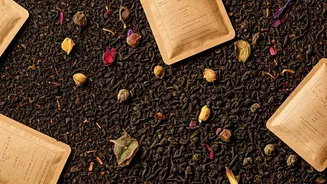
Making the switch to loose-leaf tea is the single biggest step toward a better cup. Unlike the dust in many bags, loose-leaf tea consists of whole or broken leaves. This allows them to fully expand during steeping, releasing their complex flavours, aromas, and beneficial compounds more effectively. Using whole leaves gives you greater control over the strength of your brew and provides a richer, more authentic taste experience. Studies have also suggested that whole-leaf teas may retain higher concentrations of antioxidants like catechins and flavonoids compared to their finely shredded counterparts in bags. While it might seem intimidating, brewing loose-leaf tea is simple, requiring only a basic infuser, strainer, or a dedicated teapot. The improvement in taste and quality is well worth the minimal extra effort.
Decoding the Labels: Ethical and Environmental Choices
The logos on a tea package are more than just decoration; they are your guide to a more conscious purchase. Certifications like Fairtrade, Rainforest Alliance, and Organic offer assurances about how the tea was grown and traded. Fairtrade focuses on social and economic well-being, ensuring farmers receive a minimum price for their crop and an additional premium to invest in their communities. This is crucial in a country like India, which is the world's second-largest tea producer, where many workers in the industry face challenges with low wages. The Rainforest Alliance certification, marked by its green frog logo, emphasizes biodiversity, sustainable farming practices, and workers' rights. It prohibits deforestation and promotes methods that protect soil and water. An Organic certification ensures the tea was grown without synthetic pesticides or fertilizers, which is a significant consideration as tea leaves are not washed before processing.
The Question of Pesticides
Pesticide use is a common practice in conventional tea cultivation to protect crops and maximize yield. However, this raises concerns about residues ending up in the final product. Since tea leaves are harvested and dried but not washed, any chemicals sprayed on them can potentially remain. Studies have detected pesticide residues in various tea samples, sometimes including chemicals that are restricted or banned. While the levels are often low, daily consumption can lead to cumulative exposure. Opting for teas with an organic certification is one of the most effective ways for consumers to minimize their exposure to these synthetic chemicals and support farming practices that are better for the environment.