
The Search for Solitude and Space
The primary driver behind this shift is a collective fatigue with overcrowded tourist hubs. Destinations like Shimla and Manali, while iconic, have become synonymous with traffic jams and packed hotels. Travellers are now actively seeking an escape from
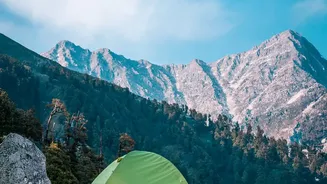
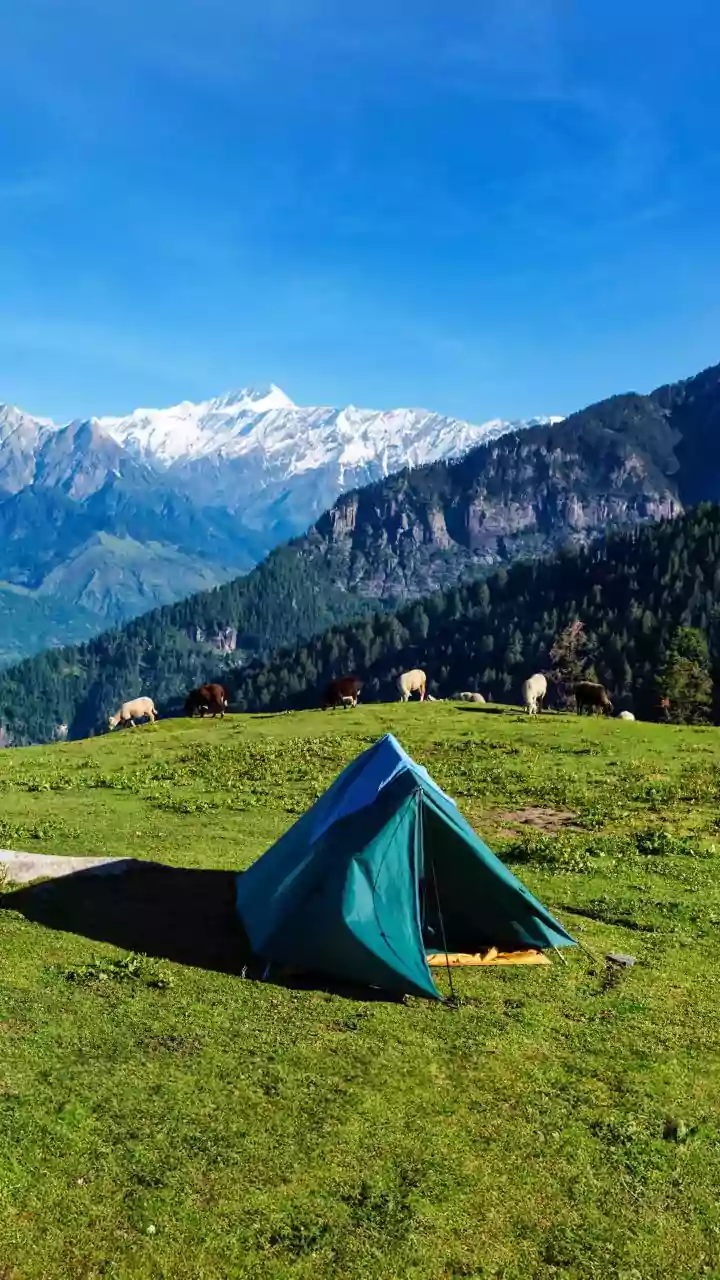
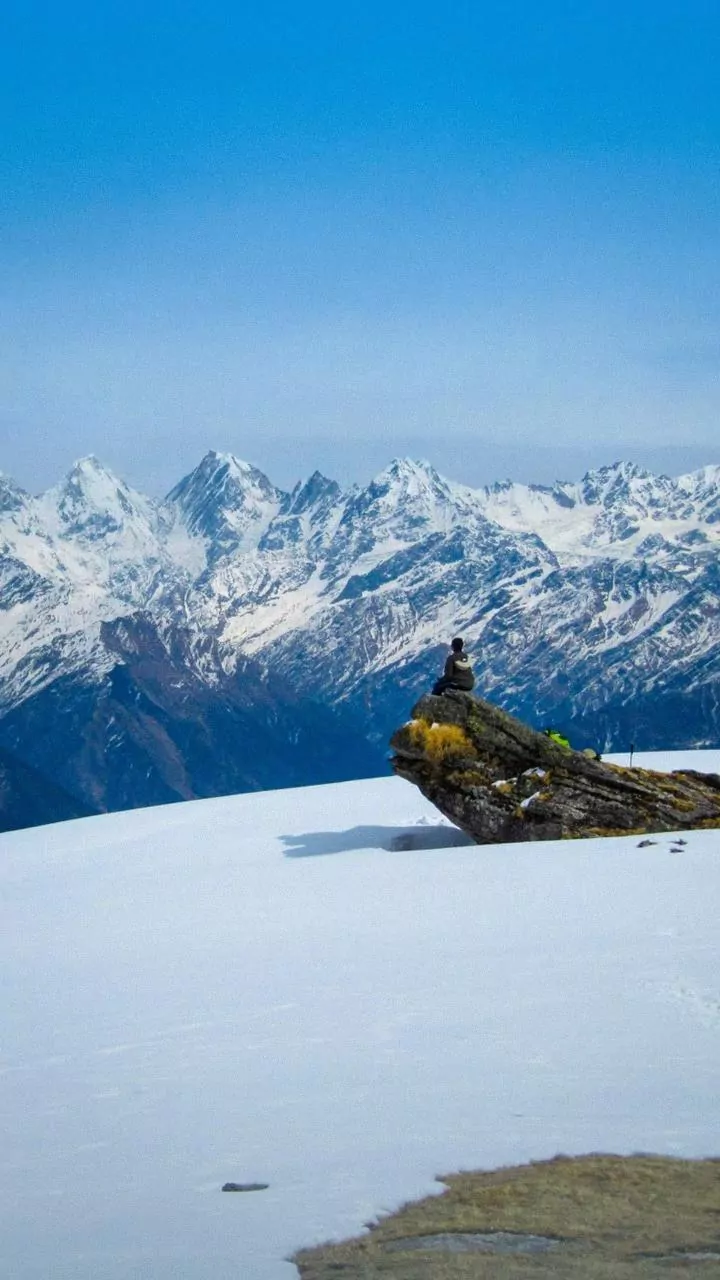
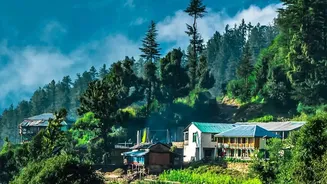
the chaos, prioritising peace and personal space over a checklist of popular sights. This has led to the rise of 'coolcations' in lesser-known villages like Chopta, Tirthan Valley, and Munsiyari. The appeal lies in their tranquillity and the promise of a hassle-free experience, allowing for a genuine connection with nature without the constant jostle of crowds. Government bodies are also encouraging this dispersal to reduce the strain on overburdened infrastructure and promote more balanced tourism.
The 'Work from Mountains' Revolution
The widespread adoption of remote work has been a game-changer for Himalayan travel. No longer confined to short vacation breaks, professionals can now relocate their entire workspace to a serene mountain backdrop for weeks or even months. This 'workation' trend has fuelled demand for long-stay accommodations, particularly in homestays equipped with reliable Wi-Fi. Destinations in both Himachal and Uttarakhand are seeing an influx of digital nomads seeking a better work-life balance. This has transformed travel from a brief escape into a sustainable lifestyle choice, allowing for deeper immersion into the local environment and culture. The ability to blend productivity with mountain living is a powerful draw for a generation that values flexibility and experience over a traditional office routine.
A Deeper Craving for Authenticity
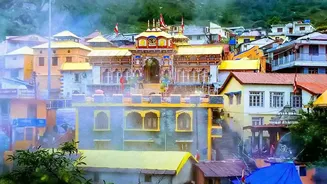
Modern travellers are increasingly looking for more than just scenic views; they want authentic cultural experiences. This has sparked a boom in homestays, which offer a unique window into local life, cuisine, and traditions that chain hotels cannot replicate. Staying with a local family provides a richer, more meaningful journey, moving beyond transactional tourism to build genuine connections. This desire for authenticity is also fuelling gastro-tourism, as foodies take to the road in search of hyperlocal culinary experiences. The growing interest in heritage and local festivals, amplified by social media, further encourages travellers to explore beyond the beaten path and engage directly with the cultural fabric of these mountain states.
The Allure of the Unseen Trail
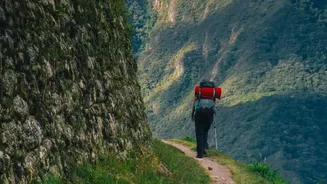
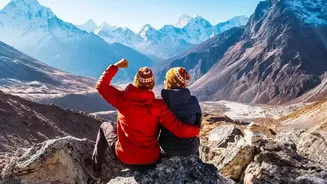
For adventure enthusiasts, the appeal of trekking is shifting from popular, often congested routes to hidden Himalayan trails. While treks like Kedarkantha and the Valley of Flowers remain popular, a new wave of trekkers is seeking out pristine landscapes on lesser-known paths like the Phulara Ridge, Dev Kyara, and Pin Bhaba Pass. These trails promise not only solitude but also a more profound sense of discovery and adventure. The growth in trekking is being driven by Gen Z, millennials, and solo travellers who are prioritising immersive nature-based experiences. This trend reflects a broader shift in the travel mindset, where the journey itself—the challenge, the wilderness, and the raw beauty—is becoming the primary destination.
Improved Roads and the Joy of the Drive
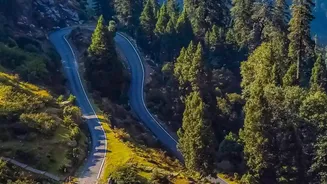
The journey has become as important as the destination, thanks in large part to significantly improved infrastructure. The expansion of the National Highway network, along with the construction of new tunnels and bridges, has made road trips smoother and faster. The Atal Tunnel, for instance, has transformed access to the Lahaul region, while improved highways have cut down travel time to hubs like Dehradun. This enhanced connectivity makes previously remote areas more accessible, encouraging travellers to hop in their cars and explore. Higher incomes and the growing popularity of SUVs have also made more people comfortable with embarking on long-distance drives into rugged terrain, turning the road trip itself into a celebrated part of the Himalayan adventure.