





Go Vertical, Not Just Horizontal
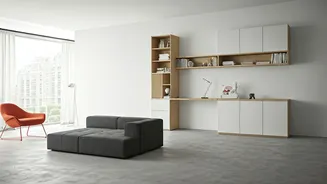
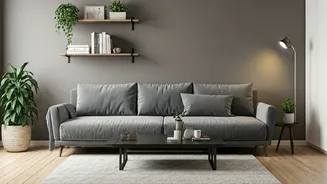
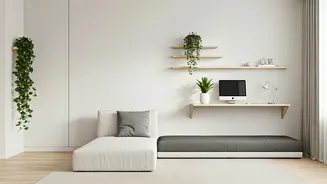
When floor space is at a premium, the only way to go is up. Traditional furniture often occupies a large footprint without offering much in return. Instead, think about your walls as untapped real estate. Tall, narrow bookshelves or floor-to-ceiling shelving
units draw the eye upward, creating an illusion of height and providing massive amounts of storage without eating into your living area. Look for ladder-style shelves which have a smaller footprint at the base and widen as they go up, making a room feel less boxed-in. Similarly, wall-mounted desks and TV consoles free up the floor entirely, which not only gives you more room to move but also makes cleaning a breeze. By utilising vertical space, you reclaim valuable square footage for living.
Embrace Double-Duty Champions
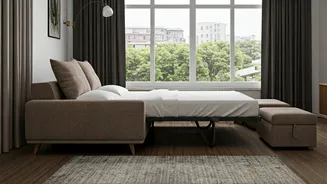
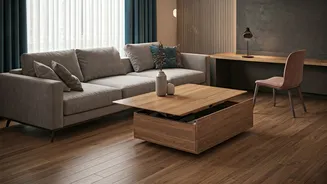
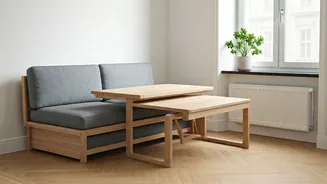
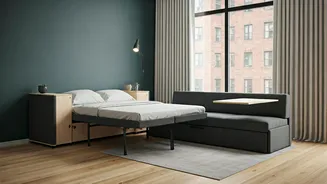
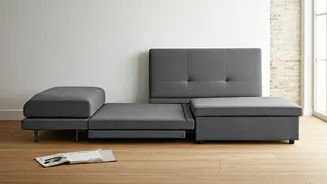
In a small home, every piece of furniture should earn its keep. Single-purpose items are a luxury you can't afford. This is where multi-functional furniture shines. A sofa-cum-bed is the classic example, instantly turning a living room into a guest room. But the modern market offers so much more. Think of coffee tables with hidden storage compartments for magazines and remotes, or ones with a lift-top mechanism that converts them into a dining or work surface. Storage ottomans can serve as extra seating, a footrest, and a place to hide away blankets or toys. A bed with hydraulic storage underneath offers more space than several large suitcases combined, all completely out of sight. By investing in these double-duty pieces, you effectively cut the amount of furniture you need in half.
Choose Furniture You Can See Through
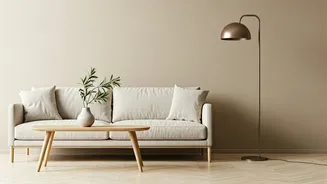
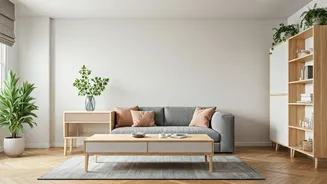
The visual weight of furniture is just as important as its physical footprint. Heavy, dark, and solid pieces can absorb light and make a room feel smaller and more cluttered. The solution is to opt for furniture with a lighter visual profile. Pieces made from glass, acrylic, or lucite are your best friends. A glass-top dining table or a clear acrylic coffee table appears to take up almost no space because you can see right through it, allowing light to pass and maintaining an open line of sight across the room. Furniture with slim, raised legs—like a mid-century modern style sofa or armchair—also contributes to this effect. By lifting the bulk of the furniture off the floor, you create a sense of spaciousness and flow, making the entire room feel airier.
Let Modularity Be Your Mantra
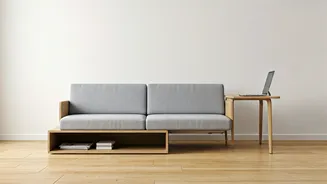
Your life isn't static, so why should your furniture be? Modular furniture is the ultimate answer to evolving needs and tight spaces. Instead of buying one large, immovable piece, modular systems consist of individual sections that can be configured and reconfigured in endless ways. A modular sofa can be rearranged from a standard three-seater to an L-shaped sectional or even two separate love seats to suit the occasion. Modular shelving units can be expanded, downsized, or reshaped to fit a new wall or accommodate a growing collection of books. This flexibility allows you to adapt your furniture to your current needs, whether you're hosting a party, working from home, or simply want to refresh your layout without buying anything new.
Fold It, Stack It, Hide It Away
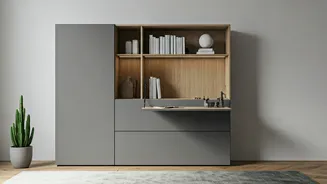
Some of the smartest furniture is the kind you don't see. For items you only use occasionally, look for pieces that can be easily folded, stacked, or hidden away. Foldable dining tables mounted on the wall can be flipped down for meals and folded back up to reclaim the space afterward. Stackable chairs and stools are perfect for when guests come over, providing ample seating without permanently cluttering the room. Even a simple, elegant screen or room divider can be used to cleverly hide a work-from-home corner or a messy storage area when not in use. This 'now you see it, now you don't' approach is key to maintaining a clean, uncluttered aesthetic in a home where every centimetre is precious.