




The Foundation: Onion Puree
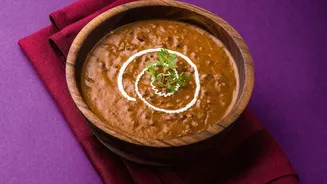
Onions are the foundation of countless Indian curries, and when handled correctly, they can create a surprisingly creamy base all on their own. The technique involves slowly cooking a large quantity of onions until they are deeply softened and translucent,
or even lightly caramelised, before blending them into a smooth paste. This cooked onion puree not only adds a fundamental layer of sweet, savoury flavour but also gives the gravy significant body and a smooth consistency. Some restaurant methods involve boiling whole onions until soft and then pureeing them, creating a neutral-tasting but texturally effective base gravy that can be adapted for various dishes. For home cooks, gently frying chopped onions in oil, then pureeing them, is a straightforward way to build a rich and thick sauce from the ground up, proving you don't always need dairy or nuts for a creamy result.
The Power of Nut Pastes
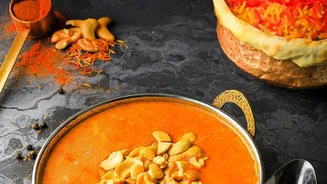
For an undeniably rich and decadent creaminess, nut pastes are a classic choice, particularly in Mughlai cuisine. Cashews are the most popular option due to their mild flavour and high fat content, which creates an exceptionally smooth and luxurious sauce. To make a cashew paste, raw cashews are typically soaked in hot water for at least 15-30 minutes to soften them. They are then drained and blended with a small amount of fresh water until a silky, cream-like consistency is achieved. This paste can be stirred into a curry towards the end of cooking to thicken it and add richness without the heaviness of dairy cream. Almonds can also be used, though they are often blanched to remove their skins for a smoother, lighter-coloured paste.
A Taste of the Coast: Coconut Milk
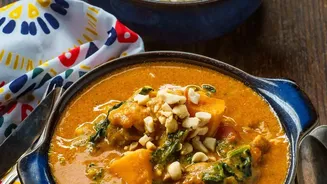
In South Indian and coastal cuisines, coconut milk is the go-to ingredient for creating creamy, fragrant curries. It imparts a distinct, slightly sweet flavour that pairs beautifully with tangy tamarind, fresh curry leaves, and bold spices. Full-fat coconut milk will provide the richest and creamiest result, making it ideal for dishes where the sauce is a key feature. It's typically added towards the end of the cooking process to prevent it from splitting or curdling, allowing it to gently meld with the other ingredients and create a velvety finish. While it is a classic in southern dishes, it can also be used as a dairy-free substitute in North Indian recipes for a different flavour profile.
The Traditional Thickener: Seed Pastes
A lesser-known but traditional method for adding body and a subtle, nutty flavour to curries involves using seed pastes. White poppy seeds (khus khus) are a classic thickener, especially in dishes like korma. The seeds are usually soaked in water for a few hours to soften them before being ground into a fine paste, often along with other ingredients like coconut or cashews. This paste contributes a unique flavour and a lusciously thick texture to the gravy. Similarly, melon seeds (magaz) can be ground into a paste to create a creamy base with a neutral flavour, making them a versatile thickener for a variety of rich curries.
Unlocking Other Plant-Based Options
Beyond the most common methods, the plant kingdom offers even more creative solutions. Blended silken tofu can create a surprisingly neutral and creamy liquid that works as a substitute for dairy cream in many sauces. Some cooks also use oat cream or barista-style oat milk, which are formulated to be thicker and more heat-stable than regular plant milks. Pureed vegetables themselves, beyond just onions, can contribute to a thicker sauce. A well-cooked and blended tomato base is essential for many curries, providing not just flavour but also volume. Adding pureed cooked lentils or even mashed potatoes can also naturally thicken a gravy, adding substance and a comforting texture without any special ingredients.