





Plant a Nectar Buffet
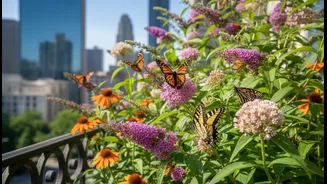
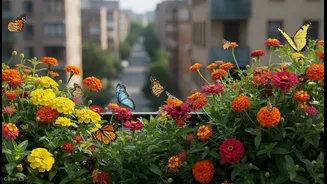
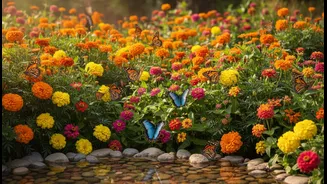
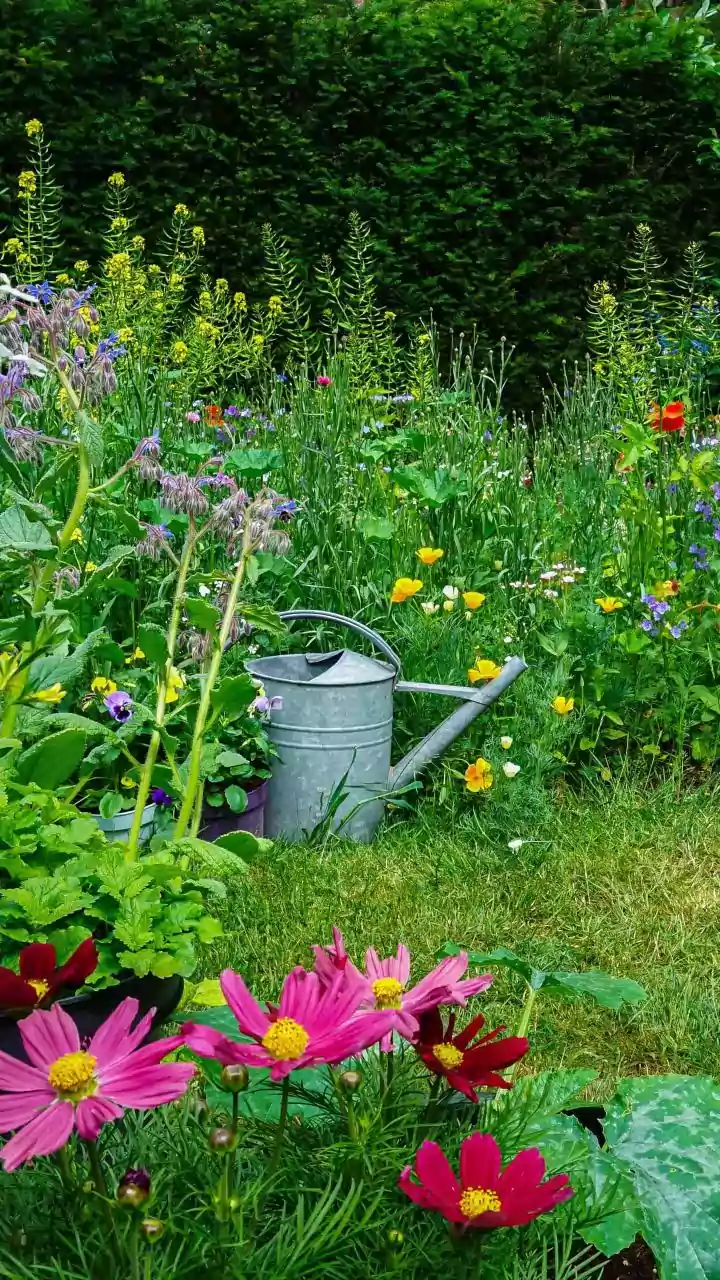
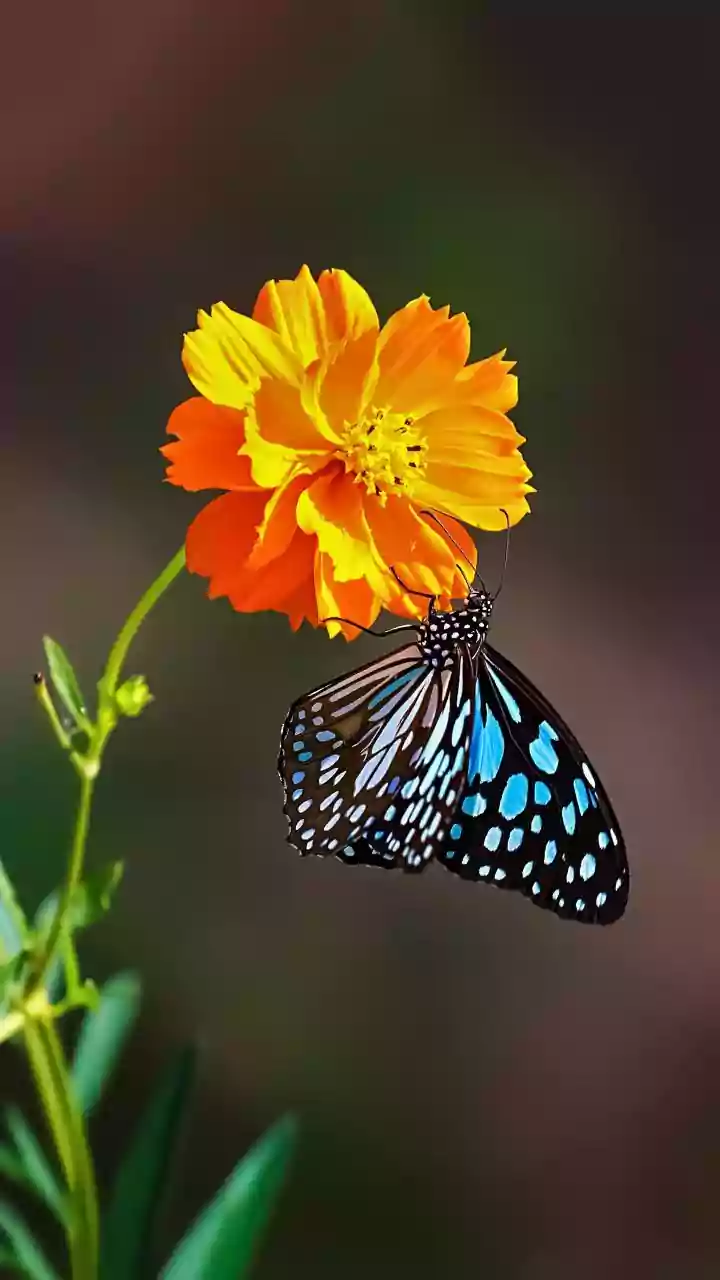
Adult butterflies are fueled by nectar, so the most crucial step is to plant a variety of flowers. They are particularly drawn to bright colours like red, yellow, orange, and purple. To ensure a year-round welcome, choose plants that bloom in different
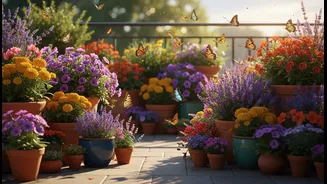
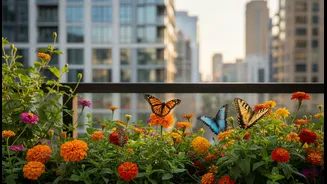
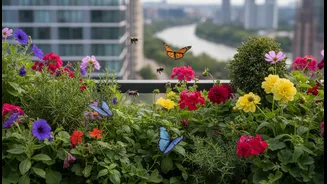
seasons. For Indian gardens, excellent nectar sources include common favourites like Marigold (Genda), Hibiscus (Gudhal), Zinnia, Pentas, and Ixora. These flowers often have flat tops or clustered blooms, providing a perfect landing platform for butterflies to rest and feed. Even a few pots of these on a balcony can become a popular café for your winged visitors.
Don't Forget the Caterpillars
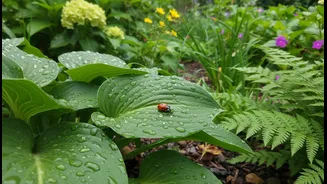
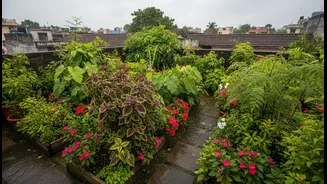
A true butterfly garden doesn't just feed the adults; it provides a home for the next generation. Butterflies are very specific about where they lay their eggs, and their caterpillars will only eat certain 'host plants'. To see the entire life cycle unfold, you must include these in your garden. Common Indian host plants include the Curry Leaf plant (Kadi Patta) for the Common Mormon butterfly, and various citrus plants (like lemon or lime) for the Lime butterfly. Milkweed (Aak) is another essential, serving as the exclusive host for the beautiful Plain Tiger and other Tiger butterflies. Planting these might mean sacrificing a few leaves to hungry caterpillars, but it's the sign of a successful butterfly habitat.
Offer a Safe Place to Drink
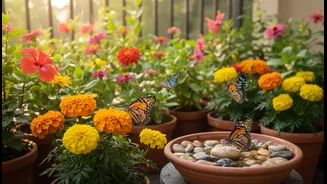
Butterflies need water and essential minerals, which they often get from damp soil or puddles in a behaviour called 'mud-puddling'. You can easily create a simple puddling station to provide this. Take a shallow dish, fill it with sand or soil, and place a few pebbles or stones on top for them to perch on. Keep the sand consistently moist, but not flooded. Place this station in a sunny spot in your garden. This simple water source will not only quench their thirst on hot days but also provide vital nutrients they can't get from nectar alone.
Provide Sunny Basking Spots
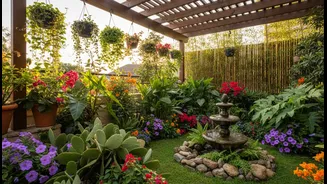
Butterflies are cold-blooded and rely on the sun's warmth to power their flight muscles. You'll often see them resting with their wings open, soaking up the rays. You can help them by placing a few flat stones or rocks in a sunny, wind-protected area of your garden. These basking spots give them a safe place to warm up in the morning before they begin their search for food. Grouping your flowering plants in a location that receives at least six hours of sunlight a day will also make your garden more attractive, as butterflies generally prefer to feed in the sun.
Go Chemical-Free
Perhaps the most important choice you can make is to avoid chemical pesticides and insecticides. These products are indiscriminate, killing caterpillars and adult butterflies along with the pests. A garden that is safe is a garden they will stay in. For pest problems, turn to organic solutions. A simple spray made from neem oil, liquid soap, and water is a powerful, natural repellent that is safe for butterflies and other beneficial insects. You can also make effective deterrent sprays at home using garlic and chillies. Companion planting, such as placing marigolds near your vegetables, can also naturally deter pests.
A Sweet Treat: Overripe Fruit
While most butterflies love nectar, some species are more attracted to the sugars found in fermenting fruit. Species like the Red Admiral and Tawny Emperor often prefer to feed on rotting fruit rather than flowers. To attract these varieties, you can place a few slices of overripe banana, orange, or mango on a plate in your garden. Be aware that this can also attract other insects like ants and flies, so place it away from your seating areas and refresh it every few days.