



From Garnish to Main Ingredient
For too long, many home cooks have treated fresh herbs as an afterthought—a sprinkle of green for colour. This mindset reduces powerful ingredients to mere decoration. The reality is that herbs like parsley, coriander, mint, and basil are meant to be
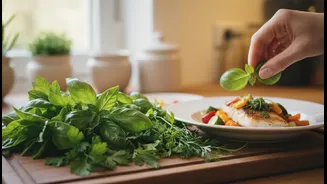
used in abundance. Think of them less as seasoning and more like a leafy green vegetable. The goal is to move beyond a few chopped leaves and embrace entire handfuls. This shift in perspective is the first step toward unlocking a new level of flavour in your cooking. Instead of just adding a hint of freshness, large quantities of herbs can form the very foundation of a dish's flavour profile.
Crossing the Flavour Threshold
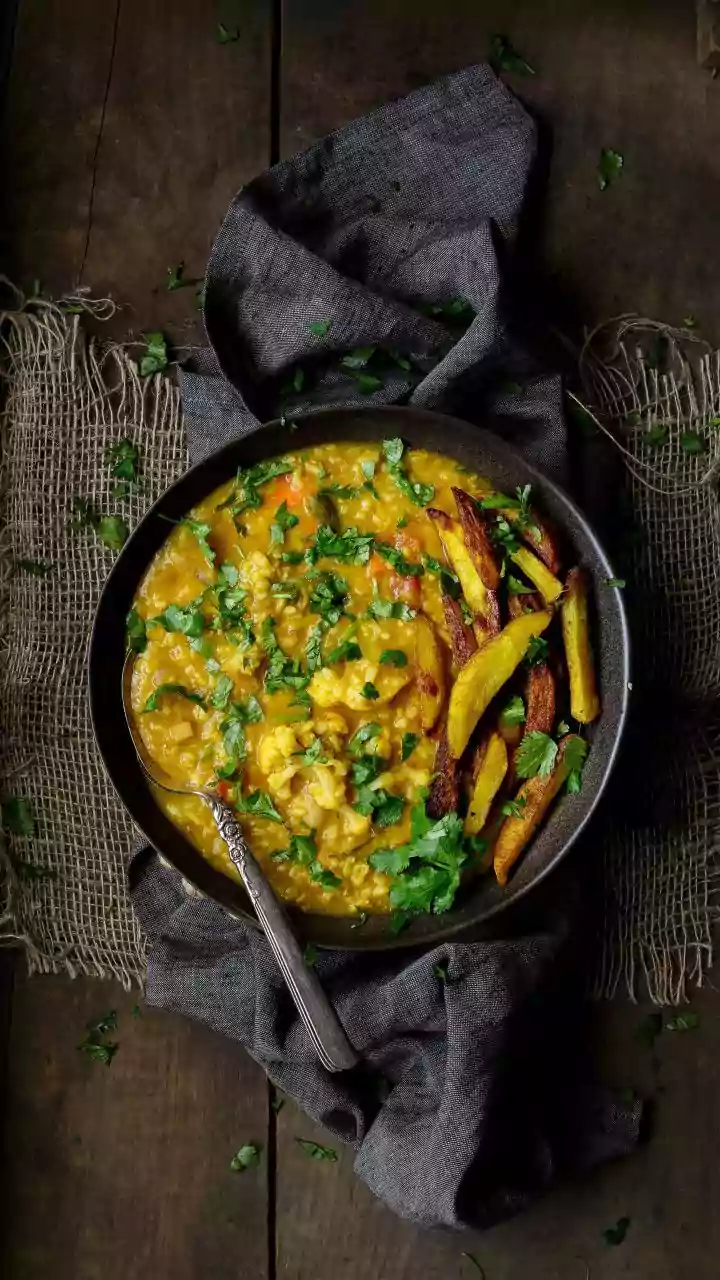
Every ingredient has a point at which its flavour truly registers on the palate. With delicate herbs, this threshold is often higher than you might think. A few leaves of cilantro might get lost in a curry, but a whole bunch, pounded into a paste or roughly chopped and stirred in, transforms the entire dish. Some herbs are delicate and best added at the end of cooking, while others are more robust. Delicate herbs like basil, mint, and dill need quantity to make their presence known without being cooked to death. Their volatile oils are released when chopped or bruised, and using more ensures their aroma and taste permeate the food instead of disappearing instantly.
Herbs That Welcome a Heavy Hand
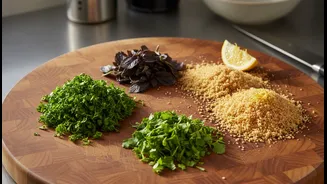
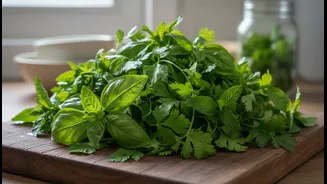
Certain herbs are particularly well-suited for generous use. Parsley, often relegated to a sad garnish, can be the star of a salad, like in a classic tabbouleh or a simpler mix with lemon, olive oil, and feta. You can easily use a cup or more of fresh parsley leaves to create a refreshing side dish. Coriander (cilantro) is essential in many Indian and Southeast Asian cuisines, where whole bunches are blended into marinades, curries, and chutneys. Basil is another herb that shines in large amounts; a classic pesto can require two full cups of fresh leaves. Mint is not just for tea; it can be used by the handful in salads, raitas, and dips, providing a cooling contrast to spicy or rich foods.
Techniques for Using Herbs in Bulk
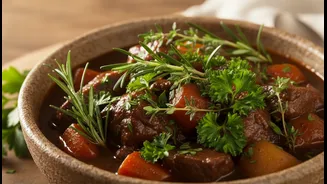
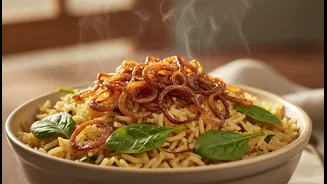
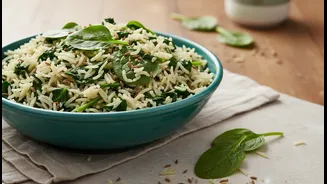
To incorporate large quantities of herbs, you need the right techniques. Blending them into sauces is one of the easiest methods. Pestos, chimichurris, and green goddess dressings are all brilliant ways to use up an entire bunch of herbs. These sauces can be drizzled over grilled meats, tossed with pasta, or used as a sandwich spread. Another technique is to treat them like salad greens. A simple parsley salad, made from whole bunches of leaves dressed with lemon and oil, is a revelation. You can also wilt heaps of herbs into hot grains like rice or quinoa, or stir them into soups and stews right before serving to preserve their bright flavour. For dishes like falafel, herbs can be mixed right into the base, lending both colour and a deep, fresh taste.
Storing for Abundance
One of the biggest hurdles to using herbs generously is spoilage. To combat this, proper storage is key. Treat soft-stemmed herbs like parsley and coriander like a bouquet of flowers: snip the ends and place them in a jar with an inch of water, then cover loosely with a plastic bag and refrigerate. Change the water daily, and they can last for over a week. Hardier herbs like rosemary and thyme are best wrapped in a damp paper towel before being placed in a bag in the fridge. Basil is the exception; it dislikes the cold and should be kept at room temperature in a jar of water. By storing your herbs correctly, you'll have a fresh, ample supply ready to transform your meals from bland to brilliant.