

The Grand Plan: A Permanent Moon Base
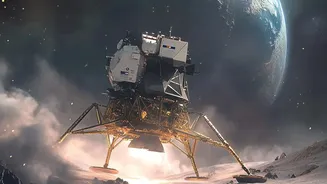
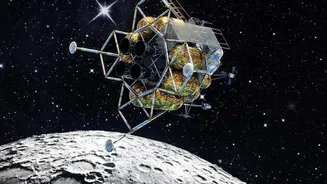
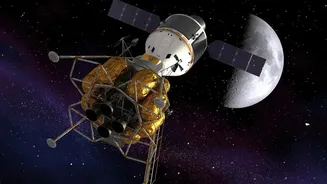
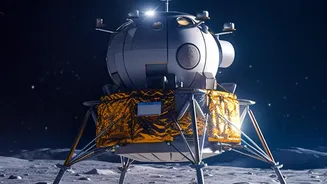
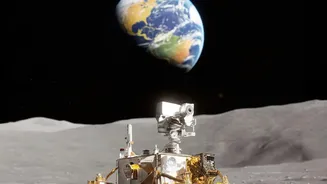
NASA's Artemis program is about creating a sustainable human presence on the Moon, specifically near the resource-rich South Pole. This isn't about short visits; it's about building a permanent lunar outpost where astronauts can live, work, and conduct
science for extended periods. The plan, unfolding over the next decade, involves robotic missions starting around 2028 to scout the area, followed by the construction of an initial base and, eventually, a semi-permanent crewed presence after 2032. But this monumental task, perhaps the most challenging engineering project in history, is too big and expensive for one nation to handle alone, which is why international partners are essential.
Why ISRO is a Star Player
So, why the special invitation to the Indian Space Research Organisation (ISRO)? It boils down to a proven track record of being cost-effective, innovative, and successful. In 2023, ISRO made history when its Chandrayaan-3 mission became the first to successfully soft-land near the lunar south pole—the very region NASA is targeting. That mission cost roughly $75 million, a fraction of comparable missions from other countries, demonstrating a unique ability to achieve ambitious goals on a budget. This blend of technical skill and financial discipline makes ISRO an incredibly attractive partner for a long-term, multi-decade project like a Moon base. This isn't a new friendship; the two agencies already collaborate on projects like the NISAR Earth-observation satellite, launched in 2025.
Blueprint for a Partnership
The collaboration could take many forms. Having signed the U.S.-led Artemis Accords in 2023, India has already committed to a framework for peaceful and transparent space exploration. A partnership on the Moon base would be the next logical step. Experts believe ISRO could contribute in several key areas: providing scientific instruments, sharing data from its Chandrayaan missions, and lending its expertise in robotics. India is also planning its own ambitious missions, including a lunar sample return (Chandrayaan-4) and a joint mission with Japan to explore water-ice deposits, which could complement NASA's goals. Furthermore, as ISRO develops its own human spaceflight program, Gaganyaan, there are opportunities for joint astronaut training and sharing operational knowledge crucial for long-duration stays on the Moon.
More Than Just Rockets and Rovers
This partnership extends beyond science and engineering; it's a significant geopolitical move. By collaborating, the U.S. and India are strengthening their strategic alliance in a critical new domain. The Artemis Accords, which now include over 40 nations, are seen by many as a U.S.-led effort to establish norms for space exploration, creating a bloc of like-minded, democratic nations. This stands in contrast to the separate lunar base plans announced by China and Russia. For India, joining the Moon base program offers a chance to leapfrog in advanced space technology and gain invaluable experience for its own long-term goal of landing an astronaut on the Moon by 2040.