

A Tale of Two Fairs
The Pushkar Mela, scheduled from November 17 to November 24, 2026, is essentially two events merged into one. The first is a centuries-old livestock fair, where herders from across Rajasthan converge to trade tens of thousands of camels, horses, and cattle.
This trading is most active in the first few days, from roughly November 17 to 20, offering a raw, unfiltered glimpse into the region's rural economy and desert lifestyle. The second part is a vibrant cultural festival organized by Rajasthan Tourism, which overlaps with the trade and peaks towards the end of the week. This phase is packed with music, dance, competitions, and religious ceremonies, drawing visitors from around the globe.
The Heart of the Matter: Animal Trading
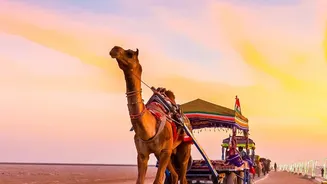
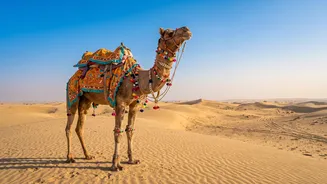
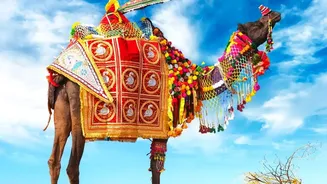
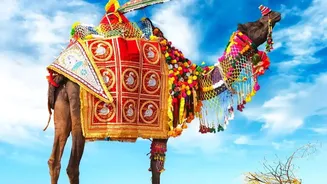
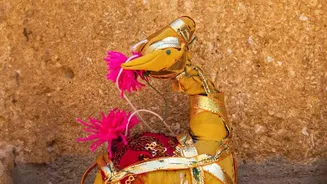
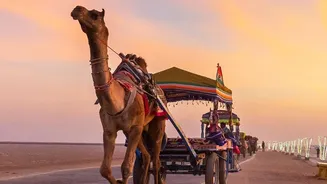
At its core, the Pushkar Mela remains one of the world's largest camel fairs. The sight of thousands of camels gathered on the desert dunes is a spectacle in itself. Owners adorn their animals with colourful tassels, fabrics, and intricate shaved patterns, not just for sale but for pride and competition. While the trading of camels, along with Marwari horses and other livestock, is a primary function, it's also a cultural exhibition. Visitors can witness the age-old practices of bargaining and the deep connection between the herders and their animals. However, with the modernization of transport, the number of camels has seen a decline over the decades, a sign of the changing pressures on herding communities.
The Cultural Extravaganza
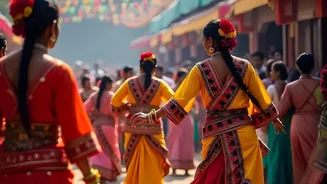
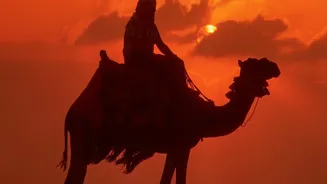
Beyond the livestock grounds, the Mela explodes with cultural events. The fairground stadium hosts a roster of unique and entertaining competitions. Crowd favourites include the 'longest moustache' contest, turban-tying competitions (where tourists are often invited to participate), and a traditional bridal competition showcasing elaborate local attire. There are also camel races, 'musical chairs' on camelback, and friendly 'Lagaan'-style cricket and football matches between locals and foreign visitors. Evenings come alive with folk music and dance performances, including the famous Kalbelia dancers, against the backdrop of the setting sun.
The Spiritual Dimension
The fair's timing is no coincidence; it culminates on Kartik Purnima, the full moon night of the Hindu month of Kartik, which falls on November 24 in 2026. This day holds immense religious significance, drawing hundreds of thousands of pilgrims to Pushkar. Pushkar is home to one of the world's few temples dedicated to Lord Brahma, the creator god in Hinduism. Pilgrims believe that taking a holy dip in the sacred Pushkar Lake on this day cleanses sins and brings salvation. The final evenings of the fair are marked by the Maha Aarti at the lake's ghats, where countless oil lamps are lit, creating a serene and divine atmosphere.
A Shopper's and Foodie's Paradise
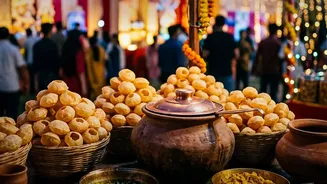
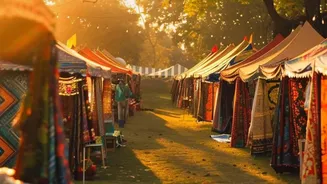
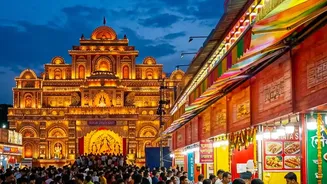
The Mela is also a massive marketplace. Temporary stalls and bazaars spring up, offering a treasure trove of Rajasthani handicrafts. Shoppers can find everything from traditional silver jewellery and leather goods to embroidered fabrics, puppets, and colourful 'jootis' (footwear). The food scene is just as vibrant. As Pushkar is a holy town, all food is strictly vegetarian, but the options are endless. You can feast on local delicacies like dal baati churma, malpua, and kachoris from the numerous food stalls scattered throughout the fairgrounds.
Tips for a Memorable Visit
Planning is key to enjoying the Pushkar Mela. Accommodation, from hotels to luxury tent camps, gets booked months in advance, so it is crucial to book early. To experience the animal trading, arrive in the first few days (Nov 17-20). For the main cultural events and the spiritual peak, the latter half of the fair is better. Wear light, breathable clothes for the warm days and carry a jacket for the cool desert evenings. Since many vendors prefer cash, it's wise to carry enough with you. Finally, take your time. To truly absorb the atmosphere, plan for at least two to three days to explore the fairgrounds, the lake, and the town's charming streets.