







Why Monsoon Demands Kitchen Caution
The rainy season is notorious for causing a spike in food-borne illnesses and digestive issues. The combination of warmth and high humidity creates the perfect breeding ground for bacteria and mould, causing food to spoil faster. Ayurvedic tradition also
suggests that our digestive fire, or 'agni', is naturally weaker during this period, making it harder for our bodies to process heavy or raw foods. This is why many health experts advise shifting to lighter, well-cooked meals. Condiments, which we often add without a second thought, are particularly susceptible. Raw ingredients, improper storage, and exposure to moisture can turn a flavour-enhancing chutney or dip into a source of stomach trouble.
Rethink These Common Condiments
While delicious, some popular condiments pose a higher risk during the monsoon. Fresh green chutneys made from coriander or mint are a primary concern. Leafy greens can harbour dirt and germs, especially in damp weather, increasing the risk of infection if not washed and cooked properly. Raw salads and anything uncooked should also be limited. Dairy-based dips and sauces can also be problematic as the weather can speed up the growth of harmful bacteria in milk products. Even store-bought sauces and pickles, if not handled with clean, dry spoons, can quickly become contaminated.
Embrace Dry and Roasted Spices
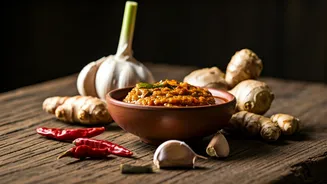
One of the easiest and safest swaps is to favour dry condiments over wet ones. Think of versatile dry spice blends like South Indian 'podi' or a homemade roasted masala mix. These are far less likely to spoil in humid conditions. Many spices integral to Indian cooking also come with health benefits perfect for the season. Turmeric, ginger, garlic, and black pepper are known for their antimicrobial and immune-boosting properties. Spices like cumin, ajwain (carom seeds), and hing (asafoetida) are excellent for aiding digestion. Using these generously not only adds flavour but also supports your gut health when it needs it most.
Switch to Cooked Chutneys
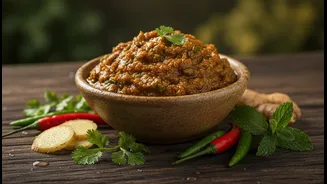
If you can't do without your favourite chutneys, the solution is simple: cook them. The heating process effectively kills pathogens that may be present on raw ingredients, making the final product much safer for consumption. A cooked tomato chutney, a tangy tamarind and date sauce, or a savoury onion-garlic paste are all excellent and safe alternatives to their raw counterparts. Even vegetable-based accompaniments should be steamed or boiled rather than eaten raw. This simple step allows you to enjoy the flavours you love without the associated risks of food contamination that are heightened during the monsoon.
Make Smart Ingredient Swaps
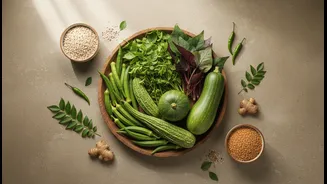
A few intelligent substitutions can make a world of difference. Instead of relying heavily on leafy greens, use hardier monsoon-friendly vegetables like bottle gourd (lauki), bitter gourd (karela), and pumpkin for your side dishes and accompaniments. Use digestive-friendly spices like ginger and garlic as the base for your pastes. For a sour tang, reach for lemon juice, kokum, or amla, which are generally safer bets than some other perishable souring agents. Probiotic-rich foods like fresh curd and buttermilk can also be beneficial, but ensure they are sourced from a reliable place and consumed fresh to promote good gut health.
Mindful Preparation and Storage
Food safety isn't just about what you use, but how you handle it. During the monsoon, it's best to prepare condiments in smaller batches that can be consumed within a day or two. Always store them in clean, dry, airtight containers—preferably glass—and keep them refrigerated. Never leave condiments, especially cut fruits or chutneys, exposed to the air. When serving, always use a clean, dry spoon to prevent introducing moisture or bacteria into the container, which can lead to rapid spoilage. Following these simple hygiene practices is crucial for keeping your kitchen safe throughout the rainy season.