




The High-Altitude Desert of Spiti Valley
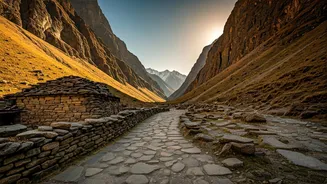
Tucked away in the Himalayas in the state of Himachal Pradesh, Spiti Valley is a world apart. Often called 'Little Tibet,' this cold desert landscape is a breathtaking panorama of barren mountains, deep gorges, and impossibly blue skies. It’s a place
that demands a slower pace. The journey itself, over high mountain passes, is an adventure. Once there, you’ll find ancient Buddhist monasteries perched on cliffsides, like the iconic Key Monastery and the Tabo Monastery, a UNESCO World Heritage site. The culture here is deeply tied to Tibetan Buddhism, and the warmth of the local people provides a stark, welcome contrast to the harsh environment. This isn't a luxury destination; it’s for travelers seeking raw beauty, spiritual solitude, and a connection to a way of life that has remained unchanged for centuries.
The Boulder-Strewn Ruins of Hampi
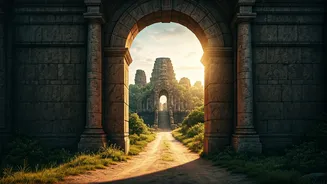
Imagine a landscape dotted with millions of giant, rust-colored boulders, with lush green palm groves and paddy fields threaded through them. Now, scatter the sprawling ruins of a 14th-century empire across this surreal scene. That's Hampi. Located in Karnataka, this UNESCO site was once the capital of the Vijayanagara Empire, one of the greatest in Indian history. While the Taj Mahal is a singular, perfect monument, Hampi is an entire world to explore. You can spend days wandering among more than 1,600 surviving remains, including ornate temples, royal pavilions, and bustling bazaars that feel frozen in time. Rent a bike or a scooter, cross the Tungabhadra River on a coracle (a small, round boat), and watch the sunset from Matanga Hill. Hampi is not just a historical site; it's an atmosphere, a feeling of stepping into a fantasy epic.
Meghalaya's Living Root Bridges
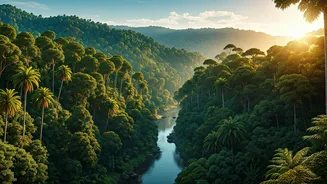
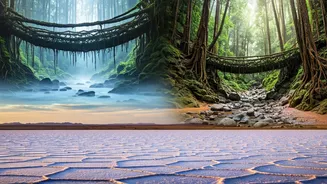
In the northeastern state of Meghalaya, one of the wettest places on Earth, human ingenuity and nature have collaborated to create something truly magical: bridges grown from the roots of living trees. For generations, the indigenous Khasi and Jaintia peoples have guided the aerial roots of the Ficus elastica tree across rivers and streams, weaving them together until they form strong, sturdy bridges. These structures are not built; they are nurtured. The most famous is the 'Double Decker' living root bridge in Nongriat village, a stunning two-tiered marvel that can only be reached by a steep, rewarding hike. The journey through dense, tropical forests, past waterfalls and crystal-clear pools, is as much a part of the experience as the bridges themselves. It’s a testament to sustainable, patient architecture that becomes stronger with time.
The White Desert of Kutch
For a few months every year, a vast, cracked salt marsh in the state of Gujarat transforms into an ethereal, blindingly white desert. The Great Rann of Kutch is a seasonal wonder that stretches to the horizon, creating an otherworldly landscape that is truly unforgettable, especially under the light of a full moon. From roughly November to February, the government organizes the Rann Utsav, a tent city that celebrates the region's vibrant culture with folk music, dance, and exquisite handicrafts. Visitors can take camel cart rides out onto the salt flats for sunrise or sunset, when the white expanse reflects the sky's shifting colors. It’s a sensory experience unlike any other in India, combining stark natural beauty with the rich, colorful traditions of the Kutchi people.
The Quiet Backwaters of Kasaragod
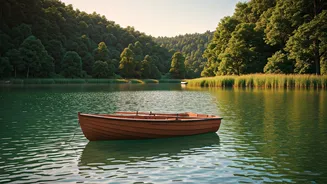
While the backwaters of Alleppey (Alappuzha) are famous for their bustling network of houseboats, the northern region of Kerala offers a more tranquil alternative. The backwaters around Kasaragod, known as Valiyaparamba, are a serene labyrinth of waterways where you can experience the rhythms of local life without the crowds. Here, the focus is less on luxury houseboats and more on quiet exploration. You can cruise on a traditional Kettuvallam through peaceful canals lined with coconut palms, observing fishermen at work and children playing along the banks. It’s an opportunity to see a more authentic side of Kerala's iconic landscape, where the silence is broken only by the sound of birds and the gentle lapping of water against the boat. It’s the perfect antidote to the sensory overload of India’s cities.