







The Economics of Intimacy
At its core, the move toward accommodating smaller groups is a lesson in revenue management, a strategy long used by airlines and hotels to maximize profit. For restaurants, this means optimizing every single seat. A group of six at a table that could
hold eight represents underutilized space. More importantly, smaller groups of two or four tend to have a faster table turnover rate. Faster turnover means more parties can be seated throughout a service, which directly translates to higher sales. While a large group might guarantee a single large bill, several smaller groups seated at the same tables over the course of an evening often generate more revenue overall. This focus on efficiency is crucial in an industry battling rising costs for food and labor. By prioritizing parties that dine more quickly, restaurants can serve more guests without needing to physically expand.
Why Big Parties Are a Bigger Headache
Beyond pure economics, large parties present significant operational challenges. A single table of ten can place a sudden, immense strain on both the kitchen and the waitstaff. An influx of many orders at once can create a bottleneck, slowing down service for the entire restaurant. In the post-pandemic era, many establishments are still navigating staffing levels that may not have returned to previous numbers, making it harder to absorb these surges. Furthermore, large groups often require complex table arrangements, sometimes taking multiple smaller tables out of commission for walk-in customers or smaller reservations. This can throw off the balance of server sections, leaving some staff overwhelmed while others are left waiting. As a result, many restaurants are now implementing policies like requiring reservations for groups larger than six, or offering set menus to streamline the ordering and cooking process.
Designing for Duos and Fours
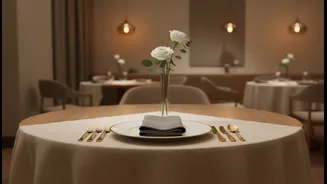
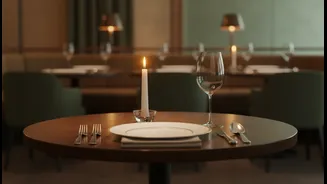
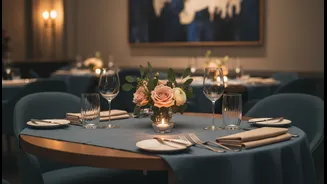
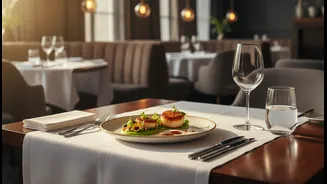
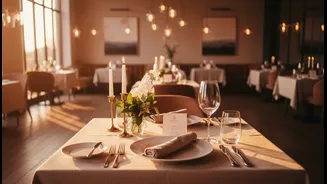
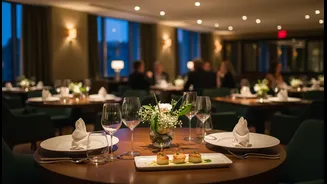
This strategic shift is visible in the very design of modern dining rooms. Restaurateurs are increasingly opting for smaller, more flexible seating arrangements. Square and round tables for two or four are becoming more common as they can be easily arranged to suit the flow of reservations. While booths offer a sense of comfort that can encourage guests to linger, free-standing tables and chairs are often preferred to encourage a slightly quicker, though still pleasant, dining pace. This design choice isn't just about turnover; it also caters to changing social habits. Especially among younger generations like Millennials and Gen Z in India, there's a growing preference for smaller, more frequent meals out rather than large, formal gatherings. The rise of solo dining and the culture of cafes as everyday spaces also support the move toward more intimate table setups.
What This Means for the Diner
For customers, this trend has both pros and cons. On the one hand, a dining room optimized for smaller groups can feel more efficient, with quicker seating times and more attentive service. With modern table management systems, restaurants can better predict wait times and keep the flow of service smooth. On the other hand, planning a celebratory dinner for a large family or group of friends can become more difficult. It requires more advance planning, calling ahead, and potentially being flexible with dining times to avoid peak hours. Diners might also encounter minimum spend requirements or be asked for a deposit for large party reservations, strategies restaurants use to protect themselves against the financial loss of a last-minute cancellation. Ultimately, the experience for a party of two might be improving, but the logistics for a party of ten are becoming more complicated as restaurants fine-tune their operations for maximum efficiency and profitability.