




From a Southern Staple to a National Trend
For generations, filter coffee—or kaapi—was deeply woven into the cultural fabric of South India. [2, 21] Served in a traditional steel tumbler and davara, it was a daily necessity and a gesture of warm hospitality. [15] While instant coffee offered speed
and Western-style cafes introduced cappuccinos, filter coffee remained a beloved, albeit local, tradition. [3, 13] Today, that's changing rapidly. The drink is shedding its regional tag and becoming a national favourite. [2] Major cities like Mumbai, Delhi, and Bengaluru are witnessing a surge in its popularity, with specialty coffee shops and even international chains like Tata Starbucks adding it to their menus. [3, 5] This expansion signifies a major shift in India's coffee culture, moving beyond global trends to embrace a homegrown icon. [14]
A Blend of Nostalgia and Authenticity
So, what's driving this revival? A significant part of the appeal is nostalgia. In a world of fast-paced trends, filter coffee offers a comforting connection to tradition and heritage. [13] For many, it evokes fond memories of grandparents meticulously preparing the decoction each morning. [20] But this isn't just about looking back. The trend aligns with a broader consumer shift towards authentic, high-quality products. [4] As people move away from overly processed drinks, the simplicity of filter coffee—made with just roasted beans, sometimes blended with chicory for body, and brewed slowly—is gaining renewed trust. [2] Consumers are increasingly curious about the origin of their beans, roast profiles, and the craftsmanship behind their cup, a demand that artisanal Indian brands are eager to meet. [4, 10]
The Modern Cafe and the Home Brewer
The third-wave coffee movement, which educated Indian consumers about grind sizes and brewing methods, ironically paved the way for filter coffee's return. [3] Initially focused on global styles, these specialty cafes gave consumers a new vocabulary to appreciate coffee, which eventually led them to ask: “Why not something from our own culture?”. [2] Upscale cafes have responded by putting filter coffee on their menus, often giving it a premium makeover with single-origin beans and aesthetic presentation. [13, 14] Simultaneously, a home-brewing renaissance is underway. [2] The rise of Direct-to-Consumer (D2C) brands has made it easier than ever to buy high-quality, freshly roasted filter coffee powder online. [10] Companies are innovating with products like convenient pour-over bags and ready-to-use decoctions, making the traditional brewing process less daunting for a new generation. [3]
It's All in the Brew
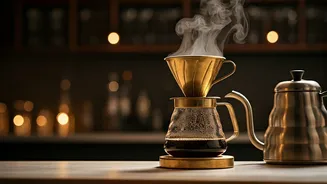
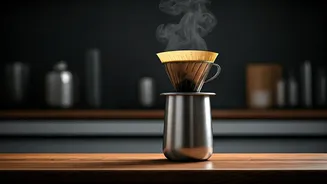
What makes filter coffee distinct is its brewing method. It uses a traditional metal percolator with two cylindrical chambers. Finely ground coffee powder, often a blend of Arabica and Robusta beans, is placed in the top chamber, pressed down, and hot water is poured over it. [15] The water slowly drips through, creating a thick, potent concentrate called a decoction. [21] This decoction is then mixed with hot, frothed milk and sugar. [15] Many traditional blends also include chicory, a root that adds a characteristic dark colour, fuller body, and a hint of bitterness that loyalists cherish. [4, 13] The final flourish often involves pouring the coffee back and forth between the tumbler and davara to cool it and create a rich foam. [15]