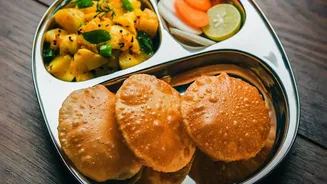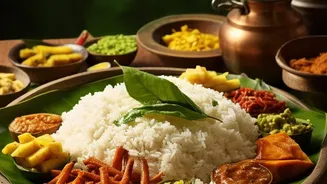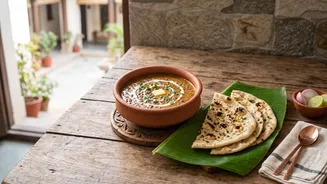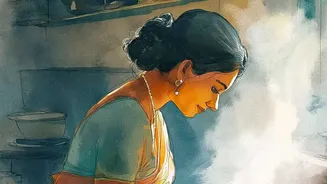



In the hustle of modern urban life, something profound is simmering in the kitchens of young Indian families. A quiet revolution is underway, not with new gadgets, but with old, forgotten recipes that act as a bridge to a cherished past.
A Search for Authentic Connection
For many millennial
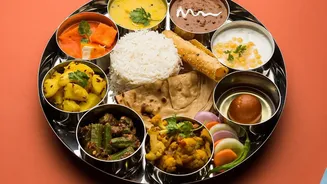
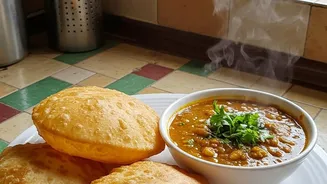
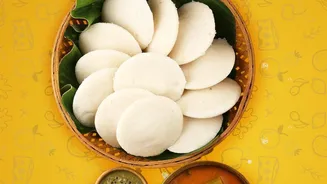
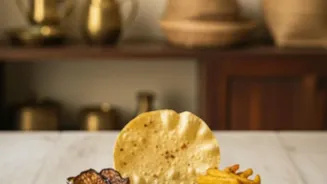
parents in India's bustling cities, life is a whirlwind of deadlines, school runs, and digital distractions. Convenience has long been king, with quick-fix meals and food delivery apps dominating dinner time. Yet, a growing number of these families are consciously stepping back from this fast-paced food culture. They are embarking on a journey to rediscover the flavours of their childhoods, seeking out the culinary traditions their grandparents swore by. This is more than a fleeting trend; it's a response to a deep-seated need for authenticity and a tangible link to their heritage in a rapidly globalising world. Food, in this context, becomes more than sustenance; it's a way to reclaim a piece of their identity.
Grandma's Kitchen Goes Digital
The irony of this return to tradition is that it's often powered by modern technology. The secret recipes once held close by grandmothers, measured by 'feel' and 'a pinch of this', are now being meticulously documented and shared. Young cooks are turning to social media, food blogs, and family WhatsApp groups to record their elders' techniques, ensuring these culinary heirlooms aren't lost to time. Start-ups and online platforms have emerged, dedicated to helping people archive their family's food stories in beautifully designed cookbooks, turning smudged, spice-stained notebooks into lasting legacies. This digital preservation makes it possible for someone in a high-rise apartment to recreate a dish from a village hundreds of kilometres away, keeping the conversation with their ancestors alive.
Health, Wellness, and Ancient Wisdom
The revival is also deeply connected to a renewed focus on health and wellness. As awareness grows about the pitfalls of ultra-processed foods, many are looking to traditional Indian diets for their proven nutritional benefits. These age-old food systems, often rooted in Ayurvedic principles, emphasise seasonal eating, local produce, and a balance of flavours and nutrients. Dishes built around whole grains, lentils, fresh vegetables, and anti-inflammatory spices like turmeric are being recognised not just for their taste, but for their ability to support long-term health. For young parents, cooking a traditional meal is not only an act of love but also a conscious choice to nourish their children in a way that is both wholesome and culturally significant.
More Than Just Food on a Plate
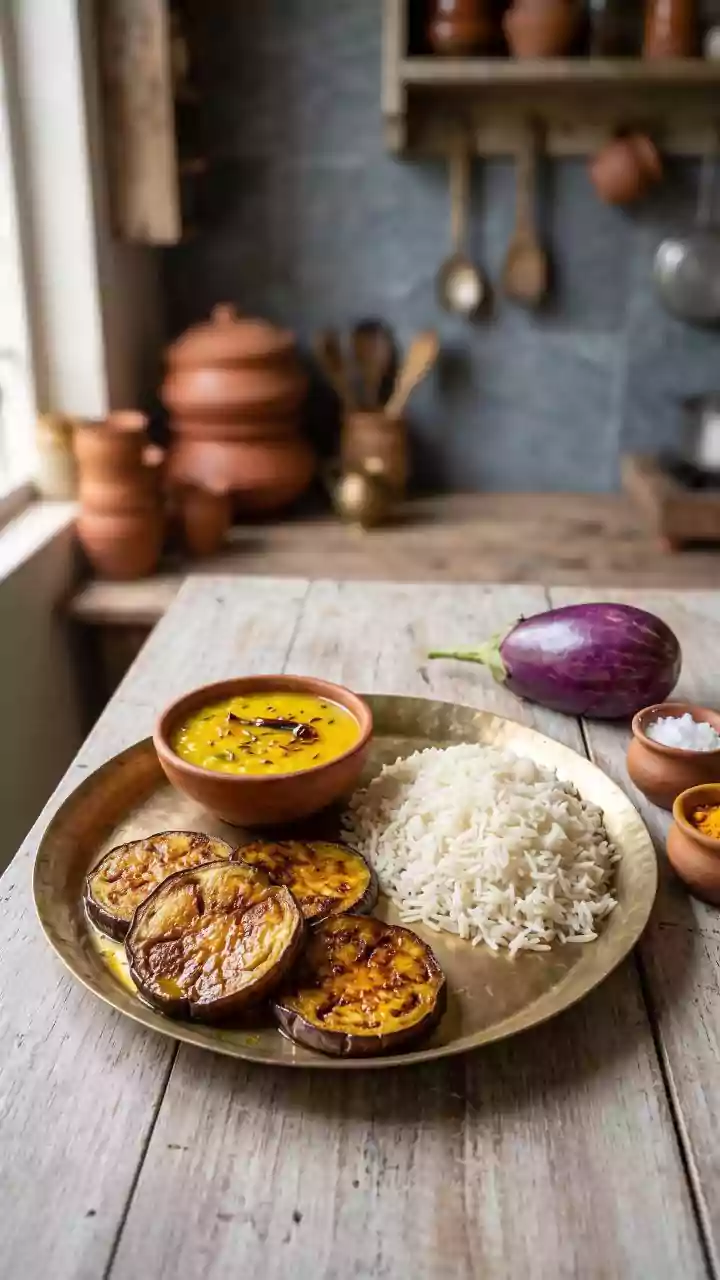
Ultimately, the revival of heritage recipes is about strengthening family bonds and passing down culture. Cooking and sharing these meals fosters a sense of belonging. It creates opportunities for children to learn about their family's history, not through a textbook, but through the sensory experience of taste and aroma. Each dish—whether it's a complex biryani passed down through generations or a simple dal made just the way a grandparent used to—carries with it a story. It’s a taste of nostalgia and a tangible piece of home that can be created anywhere. In a world of constant change, these recipes provide an anchor, rooting the next generation in the rich soil of their family's past.