





Plan Your Feasts and Fasts Precisely
The key to reducing waste begins before you even start cooking. For the nine days of Navratri, map out your meals, considering the specific ingredients allowed for vrat, such as kuttu (buckwheat) flour, sabudana (sago), and rock salt (sendha namak). Planning
helps you rotate grains and proteins like paneer and peanuts to avoid monotony and the temptation to order in. Create a detailed shopping list for both the fasting days and the grand Dussehra feast. A plan prevents over-buying and ensures every ingredient has a purpose, from the first day of Navratri to the final celebratory meal.
Shop Smart, Not in Excess
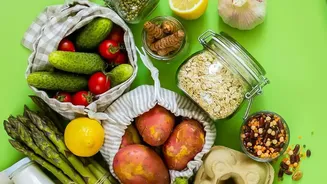
Festive offers can be tempting, but stick to your list. Impulse buys are a major contributor to household waste. Before heading out, take inventory of your pantry. You might already have spices, lentils, or other staples. For fresh produce, purchase smaller quantities more frequently rather than buying in bulk, which can lead to spoilage. This is especially true for vegetables and dairy products that have a shorter shelf life. By buying only what you need, you not only reduce waste but also ensure the food you cook is fresh and flavourful.
Embrace Root-to-Stem Cooking
Adopt a 'whole ingredient' philosophy in your kitchen. Many parts of vegetables that are commonly discarded are perfectly edible and nutritious. For instance, cauliflower leaves can be stir-fried into a delicious sabzi, and potato peels can be baked into a crispy snack. Vegetable scraps like carrot peels, onion skins (if not fasting), and herb stems can be collected and simmered to create a flavourful stock for soups and curries. This approach not only minimises what goes into the bin but also extracts maximum value and nutrition from your produce.
Serve Mindfully and Encourage Seconds
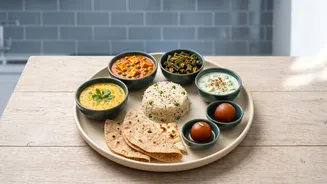
During festive gatherings, it's easy for guests to overestimate their appetite. To prevent plate waste, use smaller plates and serving spoons. This subtly encourages everyone to take smaller initial portions. Let your guests know they are welcome to have second helpings. This is more effective than loading up plates that may not be finished. If you're hosting a large crowd for Dussehra, a buffet-style service can also help, as individuals can choose exactly what and how much they want to eat, giving them better control over their portions.
Get Creative with Leftovers
Leftovers are not a sign of failure but an opportunity for creativity. Yesterday’s meal can become today’s exciting new dish. Leftover dal can be used to knead soft and nutritious chapati dough. Cooked rice can be transformed into crispy arancini-style balls or flavourful fried rice. Extra sabudana khichdi can be shaped into patties and shallow-fried for a delicious snack. Even leftover curries can find new life as a filling for wraps, sandwiches, or even as a sauce for pasta.
Smart Storage and Sharing
Proper storage is crucial for extending the life of both ingredients and cooked food. Use airtight containers to keep food fresh in the refrigerator and learn what can be frozen for later use. For instance, pureed tomatoes or batches of curry can be frozen for a quick meal down the line. If you still find yourself with a surplus of food after a big gathering, consider sharing. Encourage guests to take some food home. You could also share with community helpers or local shelters, turning potential waste into a gesture of goodwill.