



More Than Just Dirt: What is Healthy Soil?
Healthy soil is far more than an inert medium for holding plants. It is a complex, dynamic system teeming with life. Its health is defined by two key interconnected factors: structure and nutrients. Soil structure refers to the way individual particles
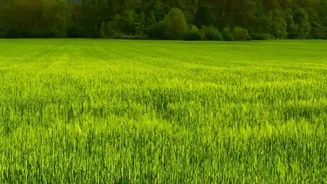
of sand, silt, and clay clump together to form aggregates. A well-structured soil has plenty of pore spaces between these aggregates, which are essential for holding water, allowing air to reach plant roots, and giving roots the freedom to grow deep. This structure is largely held together by organic matter—the decomposing remains of plants and animals. This organic matter also acts as a slow-release fertiliser, providing a steady supply of essential nutrients as it breaks down. The primary nutrients crops need are Nitrogen (N), Phosphorus (P), and Potassium (K), but they also require a host of micronutrients like zinc, iron, and boron to thrive. A healthy soil, rich in organic matter and with a stable structure, can deliver these elements efficiently, creating the perfect environment for a bountiful harvest.
How Indian Soils Are Losing Their Strength
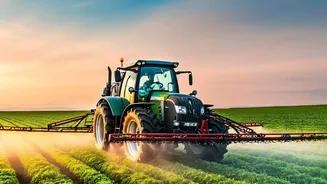
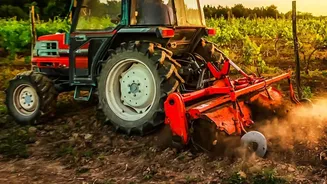
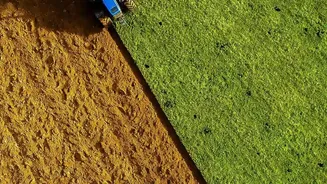
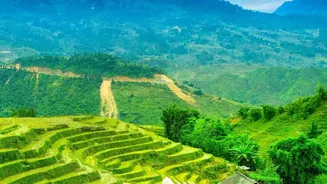
Across India, this vital resource is under unprecedented stress, with nearly a third of the country's land area facing degradation. A major cause is the very intensity that defined the Green Revolution. While boosting food production, practices like monocropping—especially the relentless rice-wheat cycle in many states—deplete specific nutrients without giving the soil a chance to recover. This is compounded by an imbalanced use of chemical fertilisers, often skewed heavily towards nitrogen (urea) due to subsidies, which disrupts the soil's natural nutrient balance and can harm the microbial life essential for fertility. Furthermore, physical degradation is rampant. India loses an estimated 5.3 billion tonnes of topsoil to wind and water erosion annually. Inappropriate agricultural practices like excessive tillage with heavy machinery compact the soil, destroying its porous structure. Over-irrigation in some regions leads to waterlogging and salinisation, suffocating roots and rendering the land less productive. This gradual weakening is marked by a severe drop in soil organic carbon (SOC), which has plummeted in some regions from over 1% to as low as 0.3%, crippling the soil's ability to function.
The Domino Effect on Your Crops
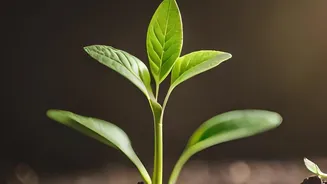
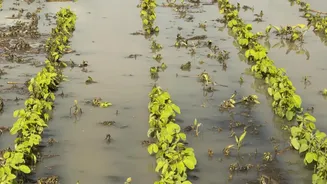
When soil structure collapses, the consequences for crops are immediate and season-long. Compacted soil physically prevents roots from penetrating deep to find water and nutrients. Instead, roots spread out in a shallow layer, making the plant highly vulnerable during dry spells. Poor structure also means water can't infiltrate properly, leading to surface runoff and erosion or, conversely, waterlogging that deprives roots of the oxygen they need to survive. Simultaneously, a decline in nutrients and organic matter effectively starves the plant. Without adequate nitrogen, phosphorus, and other essential elements, a plant's growth is stunted. The result is not just a lower quantity of yield but often a lower quality, too. Crops grown in nutrient-deficient soils can themselves be poor in vital micronutrients, impacting the nutritional value of the food we eat. This decline in productivity directly hits a farmer's income, forcing them to apply even more expensive inputs for diminishing returns, creating a vicious cycle of degradation and economic strain.
Bringing Life Back to the Land
The good news is that soil degradation is reversible. The key lies in shifting from extractive practices to regenerative ones that treat soil as a living entity. One of the most effective strategies is to increase soil organic matter. This can be done by incorporating compost, farmyard manure, or crop residues back into the field instead of burning them. Practices like crop rotation, especially including legumes that naturally fix nitrogen, help break pest cycles and replenish soil nutrients. Planting cover crops between main growing seasons protects the soil from erosion, suppresses weeds, and adds organic matter when tilled in. Conservation agriculture techniques, such as reduced or no-tillage farming, help preserve soil structure and prevent compaction. Perhaps the most crucial first step for any farmer is to understand what their soil specifically needs. Government initiatives like the Soil Health Card Scheme aim to provide exactly this information, offering farmers a detailed report on their soil's nutrient status and recommending targeted fertiliser use. By testing the soil, farmers can move away from guesswork and apply only what is necessary, saving money and protecting the environment.