



The Journey Is The Destination
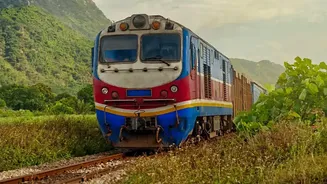
For many young Indians, the definition of a holiday is changing. It's less about rushing to a destination and more about savouring the entire experience. This mindset is a perfect match for train travel, which encourages a slower, more mindful pace. Unlike
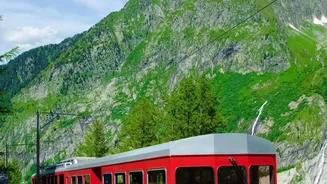
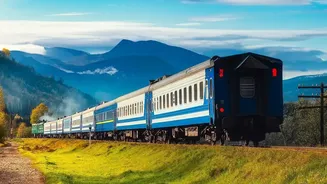
the sterile environment of an airport and the cramped confines of a plane, a train journey offers a front-row seat to India's changing landscapes. The concept of 'slow travel' is gaining momentum, prioritising connection with local culture and the environment over a packed itinerary. This shift is being led by younger generations, with a high percentage of Gen Z and Millennial travellers stating they design holidays around cultural experiences, making the journey itself a central part of the adventure. Watching the world go by, from lush fields to bustling towns, becomes an essential part of the vacation.
A Smart Choice for the Wallet
While experience is key, economics plays a significant role. Train travel remains one of the most affordable ways to cover long distances in India. For young travellers, who are often on a tight budget or prefer to take multiple short trips a year, this cost-effectiveness is a major draw. A long-distance overnight train journey in a sleeper or 3AC coach can cost a fraction of a flight ticket, especially when factoring in extra costs like baggage fees and airport transfers. This financial saving allows for a longer holiday, more spending money at the destination, or the ability to plan more frequent getaways. An overnight train also saves on the cost of a hotel for one night, a practical benefit that budget-conscious young explorers appreciate.
The Rise of Experiential Rail Travel
Indian Railways has also upped its game, introducing services that cater directly to the modern tourist. The immense popularity of Vistadome coaches is a prime example. These coaches, with their glass roofs and wide, panoramic windows, are a hit, especially on scenic routes like Mumbai-Goa and Mumbai-Pune, often running at full occupancy. They offer rotatable seats and an observation lounge, transforming the journey into a sightseeing experience. Similarly, new-age trains like the Vande Bharat Express appeal to tech-savvy youth with modern amenities, comfort, and time-efficient schedules, becoming a preferred choice for many. The craze is visible on social media, where young people frequently post selfies and videos of their journey, turning the train itself into a desirable destination.
A Greener Way to Explore
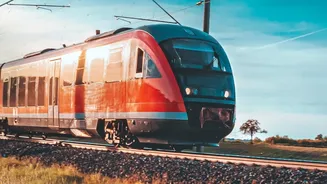
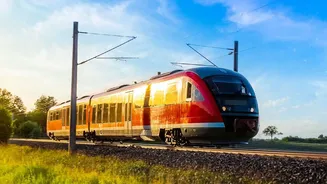
An increasing awareness of environmental issues is also influencing travel decisions. For the eco-conscious young traveller, trains offer a more sustainable option compared to flying. Rail travel produces significantly fewer greenhouse gas emissions per passenger than air travel. Choosing a train over a plane can reduce a journey's carbon footprint by a substantial margin, in some cases by up to 90%. As sustainability becomes a greater priority, this green advantage is a compelling reason for many to opt for the railway. Electric trains, in particular, are an energy-efficient choice, further solidifying rail's position as a more environmentally friendly mode of transport for domestic holidays.
Nostalgia and Social Connection
Finally, there is an undeniable emotional and social component to train travel. For many, it evokes a sense of nostalgia, harking back to childhood family trips. But it also offers a unique social experience that is missing from other forms of transport. The shared space of a train compartment often leads to spontaneous conversations, sharing food with fellow passengers, and making new friends along the way. This creates a sense of community and offers a glimpse into the diverse fabric of the country. It’s a space where you can disconnect from the internet and connect with people, or simply have uninterrupted time to read, think, and relax, making the journey as memorable as the destination itself.