






Combat Dampness, Mould, and Musty Odours
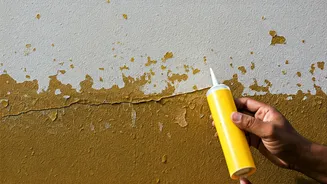
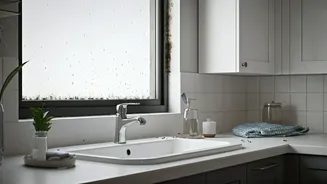
The single biggest challenge during the monsoon is the high humidity, which can lead to damp walls, peeling paint, and the growth of mould and mildew. Proper ventilation is your first line of defence. Keep windows and doors open whenever it's not raining
to allow fresh air to circulate and reduce trapped moisture. In areas prone to dampness like bathrooms and kitchens, running an exhaust fan is essential. For a low-cost dehumidifying solution, place bowls of rock salt or charcoal briquettes in corners, closets, and bathrooms; they naturally absorb moisture from the air. To tackle musty smells in cupboards, you can use traditional remedies like placing camphor balls or neem leaves, which also help deter pests.
Secure Your Home Against Pests
The rainy season is prime time for pests. Mosquitoes breed in stagnant water, while cockroaches, ants, and rodents seek shelter indoors from flooded burrows. The most critical step is to eliminate standing water around your home. Regularly empty water from flowerpot trays, old tyres, and clogged drains. Before the season begins, inspect and seal any cracks or gaps in your exterior walls, especially near the ground, and around pipes where pests can enter. Ensure your window meshes are intact to keep mosquitoes out. Inside the kitchen, store all food items like grains and sugar in airtight containers to prevent them from attracting ants and roaches.
Prioritise Electrical Safety
Water and electricity are a dangerous combination, making electrical safety a top priority during the monsoon. Before the rains start, get a qualified electrician to inspect your home's wiring for any frayed cables or loose connections. It is wise to install a Residual Current Circuit Breaker (RCCB), which can prevent electrocution by automatically cutting off the power supply in case of a leak. Never touch switches or appliances with wet hands. During heavy thunderstorms, unplug non-essential electronics like televisions and computers to protect them from potential power surges caused by lightning. Also, ensure any outdoor electrical sockets are weatherproof and keep cords elevated from wet floors.
Care for Wooden Furniture and Doors
Wood is particularly vulnerable to the high moisture levels of the monsoon, which can cause it to swell, warp, or develop fungus. A simple preventive measure is to keep wooden furniture a few inches away from walls, especially external ones, which can transmit dampness. Avoid using a wet cloth for cleaning; a dry microfibre cloth is best for daily dusting. Applying a coat of wax or polish before the season begins can create a protective barrier against moisture. For swollen doors or drawers that get stuck, a little oiling or waxing can help them move smoothly again. Good ventilation also plays a key role in preventing the stuffy conditions that damage wood.
Keep Wardrobes and Clothes Fresh
Drying clothes can be a challenge during the monsoon, and damp clothes in a closed wardrobe quickly develop a musty smell and can even grow mildew. If you must dry clothes indoors, ensure they are completely dry before putting them away, perhaps by drying them under a fan. To protect clothes inside the cupboard, place moisture absorbers like silica gel packets (often found in new shoe boxes) or naphthalene balls. Leaving wardrobe doors open for a little while on dry, sunny days can also help air them out and prevent dampness from setting in. Wrapping delicate or expensive clothing, like silks or leather items, in breathable cotton can offer an extra layer of protection.