








The New Priority is Peace of Mind
In a world where plans can change in an instant, the demand for flexible travel options has soared. While the intense uncertainty of the early 2020s has subsided, travellers have become accustomed to valuing adaptability. The ability to change or cancel
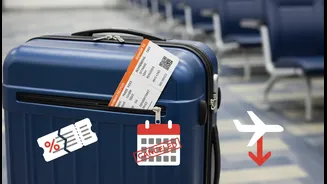
a flight without facing hefty penalties provides a valuable sense of security. This isn't just about convenience; it's about mitigating risk. A non-refundable ticket is a gamble. If a work meeting is rescheduled, a family emergency arises, or you simply change your mind, that 'saved' money is gone. The higher upfront cost of a flexible fare acts as an insurance policy against life's unpredictability, giving you peace of mind.
Decoding 'Flexible' Fares
The term 'flexible' isn't standardized across the airline industry, which can cause confusion. It's crucial to read the fine print before booking. A flexible fare might mean you can change your flight dates or times without a change fee, but you will almost always have to pay the difference if the new flight is more expensive. Some tickets allow for cancellation in exchange for a travel credit, which must be used within a certain period. The most premium and expensive options offer a full cash refund. In India, airlines like IndiGo and Vistara offer fare bundles with varying degrees of flexibility, often including perks like free seat selection or extra baggage. Understanding these tiers is key to not overpaying for flexibility you don't need or underpaying and finding yourself locked in.
The Financial Case for Flexibility
A cheaper, non-flexible ticket might feel like a win at the time of booking, but it can become a significant financial liability. If you're forced to cancel, you often forfeit the entire base fare. You then have to purchase a new, often last-minute and more expensive ticket, effectively paying for the same trip twice. A flexible ticket, though pricier initially, can prevent this double spend. The price difference between a standard and a flexible fare can range from a modest increase to nearly double the cost, depending on the route and airline. The decision to purchase one often comes down to a simple question: can your budget absorb the cost of a lost ticket? If the answer is no, the premium for flexibility is a sound investment.
Building Your Travel Buffer
This brings us to the core of the issue: the financial buffer. The ability to confidently choose a flexible fare comes from having a dedicated travel fund. Financial experts recommend setting up a separate savings account specifically for travel. By automating regular contributions to this fund, you build a buffer that makes travel spending a planned expense rather than a last-minute scramble. This fund isn't just for the tickets themselves; it's for the associated costs and, crucially, for the luxury of choosing options that offer peace of mind. When you know the money is already set aside, paying 20% more for a flexible ticket doesn't feel like a splurge; it feels like a strategic use of your well-managed travel budget.
When Basic Fares Still Make Sense
Despite the clear benefits of flexibility, the cheapest fare isn't always a bad choice. There are specific scenarios where a basic, restrictive ticket is a perfectly logical and smart decision. If your travel plans are completely firm, such as a short trip for a wedding or a last-minute getaway booked just days in advance, the risk of your plans changing is minimal. In these cases, the savings from a basic fare can be significant and worthwhile. The key is to make a conscious choice based on a realistic assessment of your situation. The financially savvy traveller weighs the certainty of their plans against the potential cost of changing them and chooses the fare that best matches that risk profile.