






Why Monsoon Disrupts Air Travel
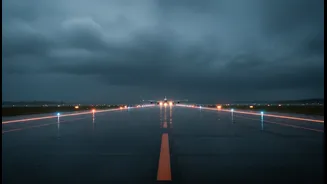
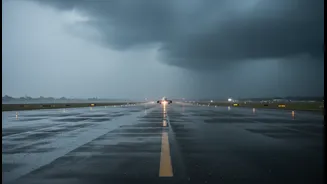
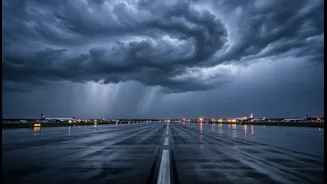
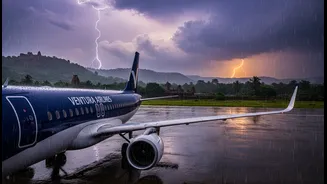
During India's monsoon season, typically from June to September, heavy rain, thunderstorms, and strong winds create challenging conditions for aviation. The primary issues are reduced visibility, making takeoffs and landings difficult, and waterlogging
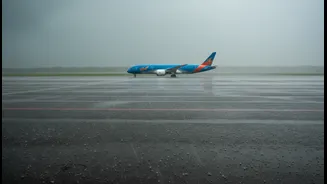
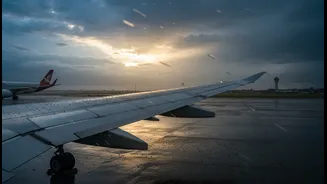
on runways, which can increase braking distances. Airports in coastal cities like Mumbai, Chennai, and Kolkata are particularly susceptible to these disruptions. Recent heavy rains in Mumbai, for instance, led to runway suspensions, flight diversions, and numerous cancellations, with hundreds of flights delayed. Airlines and the Directorate General of Civil Aviation (DGCA) prioritize safety, meaning flights will be held, diverted, or cancelled rather than risk operating in unsafe conditions.
Finding and Understanding Advisories
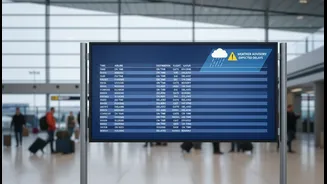
Airlines like IndiGo, Air India, and Akasa Air now proactively issue travel advisories when severe weather is forecast. These are not just generic warnings; they are your first line of defence against airport chaos. You can find these advisories on airline websites, official social media accounts (especially X, formerly Twitter), and through their mobile apps. These messages will confirm if weather is expected to impact operations and urge you to check your specific flight status before leaving for the airport. Following these updates allows you to anticipate delays and make informed decisions from home, rather than being caught off-guard at a crowded terminal.
Your Pre-Airport Checklist
Once you see a rain advisory, it's time to act. First, check your flight's real-time status on the airline's app or website. Don't leave home without confirming it's on time. Second, book morning flights when possible, as thunderstorms and delays tend to build up in the afternoon. Third, allow for a significant buffer. Roads to the airport can become waterlogged, leading to traffic jams. Finally, pack a smart carry-on bag with essentials like a power bank, necessary medications, a change of clothes, and some snacks. If your flight gets delayed overnight or diverted, you'll have what you need without relying on your checked luggage.
Know Your Rights During Disruptions
Understanding your rights as a passenger is crucial. Under DGCA regulations, weather-related disruptions are considered 'force majeure' or 'extraordinary circumstances'. This means airlines are not required to pay cash compensation for delays or cancellations caused by bad weather. However, they still have a duty of care. If a flight is cancelled, the airline must offer you the choice of a full refund or an alternative flight at no extra cost. For significant delays (typically over two hours), airlines are obligated to provide meals and refreshments. For very long or overnight delays, they must provide hotel accommodation and transfers. If an airline fails to provide this, you can file a grievance through the government's AirSewa portal.
Turning Panic into Patience
Even with preparation, delays are sometimes unavoidable. The key is to shift your mindset from panic to patience. Instead of getting frustrated, use the extra time productively. Catch up on work, read a book, or explore the airport's amenities. Remember that pilots and air traffic controllers are making decisions with safety as their absolute priority. It's also wise to have a 'Plan B'. If travelling for a critical event like a wedding or an important business meeting during peak monsoon, try to fly in a day early. Building this buffer into your schedule is the ultimate way to eliminate the stress of potential delays, ensuring you arrive at your destination calm and ready.