
Woollen clothes are a cherished part of winter wardrobes, offering unmatched warmth and comfort. But the fear of shrinking or stretching them can be daunting. With a few simple techniques, you can keep your favourite sweaters and knits looking new.
The Gentle Art of Washing
The
key to washing wool is to be gentle. Wool is a natural fibre that can shrink or felt if exposed to heat and harsh agitation. For most sweaters and knits, hand washing is the safest bet. Fill a basin with cool or lukewarm water (below 30°C) and add a small amount of a mild, wool-specific liquid detergent. Regular detergents can be too alkaline and strip the natural oils from the fibres. Turn your garment inside out to protect its outer surface from friction, submerge it, and let it soak for about 10 minutes. Gently squeeze the soapy water through the fabric, but avoid rubbing or wringing it. If your garment's care label permits machine washing, use the 'wool' or 'delicates' cycle with cold water and a low spin speed. Placing the item in a mesh laundry bag offers extra protection against snagging.
Drying Without Stretching
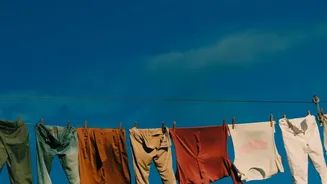
How you dry your woollens is just as crucial as how you wash them. Never hang a wet knitted garment, as the weight of the water will pull it downwards, stretching the shoulders and body out of shape. Also, avoid the tumble dryer and direct heat from sunlight or radiators, which can cause shrinkage and damage the fibres. The correct method is to dry it flat. After washing, gently squeeze out excess water. Then, lay the garment flat on a clean, dry towel. Roll the towel and the sweater up together like a sleeping bag, and press firmly to absorb more moisture. Unroll it and transfer the now-damp garment to another dry towel or a flat mesh drying rack. Gently reshape the sweater back to its original dimensions, paying attention to the sleeves and hem, and let it air dry completely. You can flip it over after a few hours to speed up the process.
Smart and Safe Storage
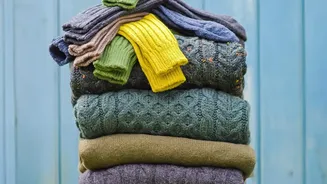
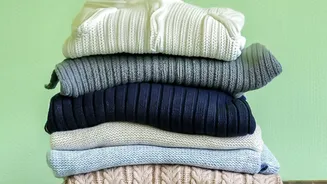
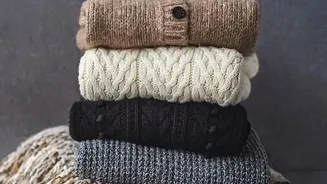
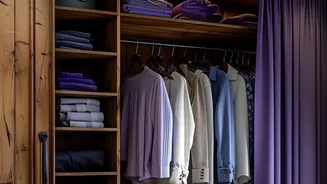
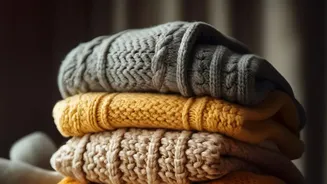
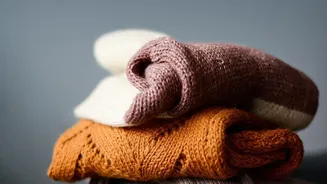
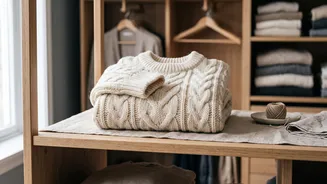
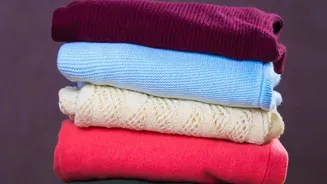
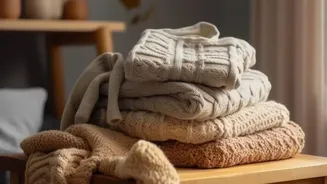
Proper storage will protect your woollens during the off-season and keep them ready for the next winter. The number one rule is to always fold, never hang, your knitted items. Hanging can cause the knit to stretch and lose its shape over time, especially at the shoulders. Before storing for a long period, ensure every garment is clean, as food stains and body oils can attract moths. Store your folded woollens in a cool, dry, and dark place. Using breathable cotton storage bags is a great option, as they allow air to circulate while keeping dust and pests out. Avoid sealing them in plastic containers for long-term storage, which can trap moisture and lead to mildew. To naturally repel moths, you can place cedar blocks or lavender sachets in your drawers or storage bags.
Fixing Common Wool Problems
Even with great care, woollens can face a few common issues. Pilling, those small fuzzy balls that appear on the surface, is caused by friction. These can be removed with a special sweater comb or an electric fabric shaver. When using a shaver, lay the garment flat and use light pressure in a circular motion. A sweater comb is a gentler option for delicate knits. If a sweater has stretched out, you can often restore its shape by washing it in cool water, which helps the fibres reset. Then, carefully reshape it while damp and dry it flat. For a shrunken garment, you may be able to relax the fibres by soaking it for 20–30 minutes in lukewarm water mixed with a capful of hair conditioner. Gently press the water out (do not rinse) and carefully stretch the garment back to its original size before drying it flat.