




A New Kind of Wildlife Experience
Imagine observing a leopard under simulated moonlight or hearing a tiger roar after sunset, all within city limits. That's the vision for the Kukrail Night Safari in Lucknow, Uttar Pradesh. Unlike traditional zoos that operate during the day when many
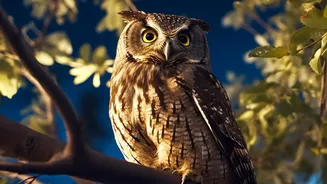
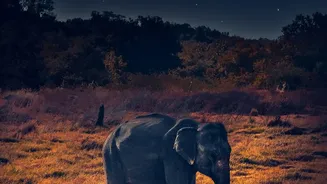
animals are resting, a night safari focuses on nocturnal and crepuscular (active at dawn and dusk) species. The concept, inspired by Singapore's acclaimed Night Safari, allows visitors to see animals when they are naturally most active, offering a more authentic and educational glimpse into their behaviour. Visitors will travel on quiet, electric or CNG trams along guided trails, using special, low-impact lighting that mimics moonlight to see the animals without disturbing them.
Location and Grand Vision
This ambitious project is taking shape in the Kukrail Reserve Forest, a sprawling 2,027-hectare green space on the outskirts of Lucknow. The night safari and an accompanying zoological park will occupy a designated 855-hectare portion of this area. The Uttar Pradesh government is developing this as a major eco-tourism hub at an estimated cost of over ₹1,500 crore. The project recently received the green light from the Supreme Court, clearing a major hurdle and paving the way for construction to proceed, subject to strict environmental compliance. The court's approval marks a significant milestone for a project that has been in various stages of planning for years.
The Stars of the Night
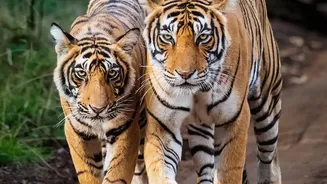
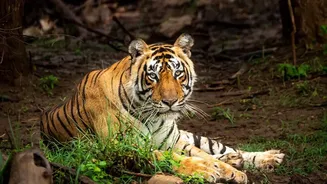
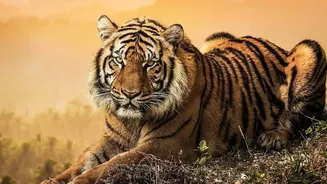
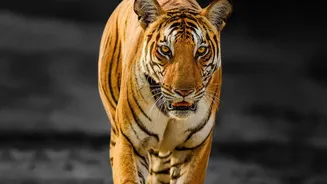
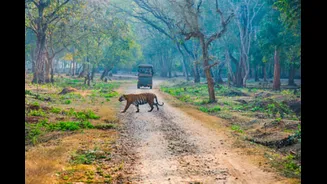
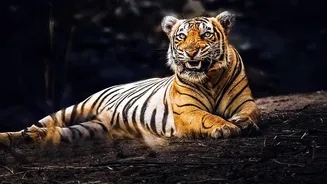
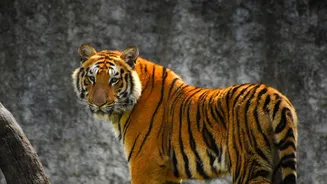
The safari is planned to house an impressive array of wildlife in large, naturalistic enclosures instead of conventional cages. The focus is on creating zoned habitats that mimic different ecosystems, such as an African savanna or Indian wetlands. Visitors can anticipate seeing a variety of species that are most active after sundown. Initial plans for the 38 enclosures in Phase 1 include big cats like Asiatic lions, Bengal tigers, and leopards, along with bears, hyenas, and various deer species. Kukrail is already famous for its successful gharial breeding and rehabilitation centre, which will be integrated into the new development, preserving its conservation legacy.
More Than Just a Safari
The development is more than just an animal park; it's an integrated tourism and conservation project. Alongside the night safari, there will be a modern day zoo, nature trails, an interpretation centre, and even a 7D theatre. This comprehensive approach aims to create a destination for education, research, and recreation. However, plans have been carefully reviewed to ensure ecological balance. A proposal to relocate the entire existing Lucknow Zoo to Kukrail was rejected by the Central Empowered Committee (CEC) to protect the green lung in the city centre. Similarly, a proposed 'Adventure Zone' with non-forestry recreational activities was scrapped to maintain the project's focus on conservation.
Timeline and What to Expect
With the Supreme Court's approval secured in July 2026, the project is set to move forward. The construction for Phase 1 is expected to take approximately 24 months. While some earlier reports mentioned a 2026 opening, a more realistic timeline, factoring in construction and regulatory processes, points towards a phased opening in 2026-2027. The state government is keen to establish this facility as a world-class attraction that boosts tourism and provides jobs, while also setting a new standard for urban wildlife conservation in India. For wildlife enthusiasts and tourists, it means a new, exciting reason to add Lucknow to their travel itineraries.