






Meet the Humble Super-Grain
Before it became a trendy breakfast hero, ragi—or finger millet—was a staple food across southern India and parts of Africa for centuries. This hardy, drought-resistant crop has long been celebrated for its resilience and nutritional density. Often called
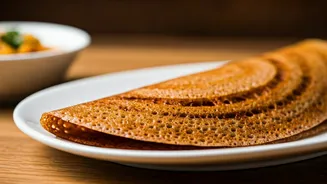
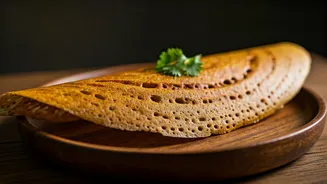
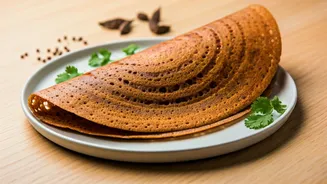
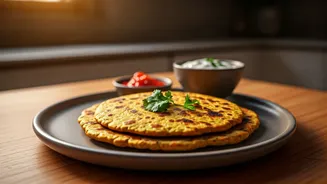
the 'poor man's food' in the past, ragi is now experiencing a massive resurgence as health-conscious consumers rediscover its incredible benefits. The ragi dosa is simply a thin, savoury crepe made from ragi flour. Unlike its more famous cousin, the rice-based dosa, the ragi version boasts a deep, earthy flavour and a slightly denser, more satisfying texture. It’s this unique combination of ancient wisdom and modern health appeal that is placing it firmly in the spotlight.
A Nutritional Powerhouse
The 'hero' status of the ragi dosa isn't just marketing hype; it's rooted in solid science. Ragi is one of the best non-dairy sources of calcium, making it fantastic for bone health for all ages, from growing children to older adults. It's also packed with iron, which helps combat fatigue and anaemia—a common concern in many Indian households. But the benefits don't stop there. Finger millet is rich in dietary fibre, which aids digestion, keeps you feeling full for longer, and helps prevent mid-morning snack attacks. For those managing blood sugar levels, ragi is a godsend. It has a low glycemic index, meaning it releases sugar into the bloodstream slowly, preventing the sharp spikes associated with refined grains like maida or white rice.
Beyond Healthy: It's Genuinely Delicious
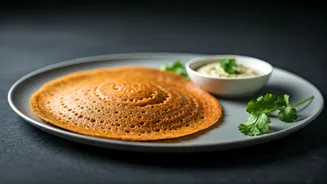
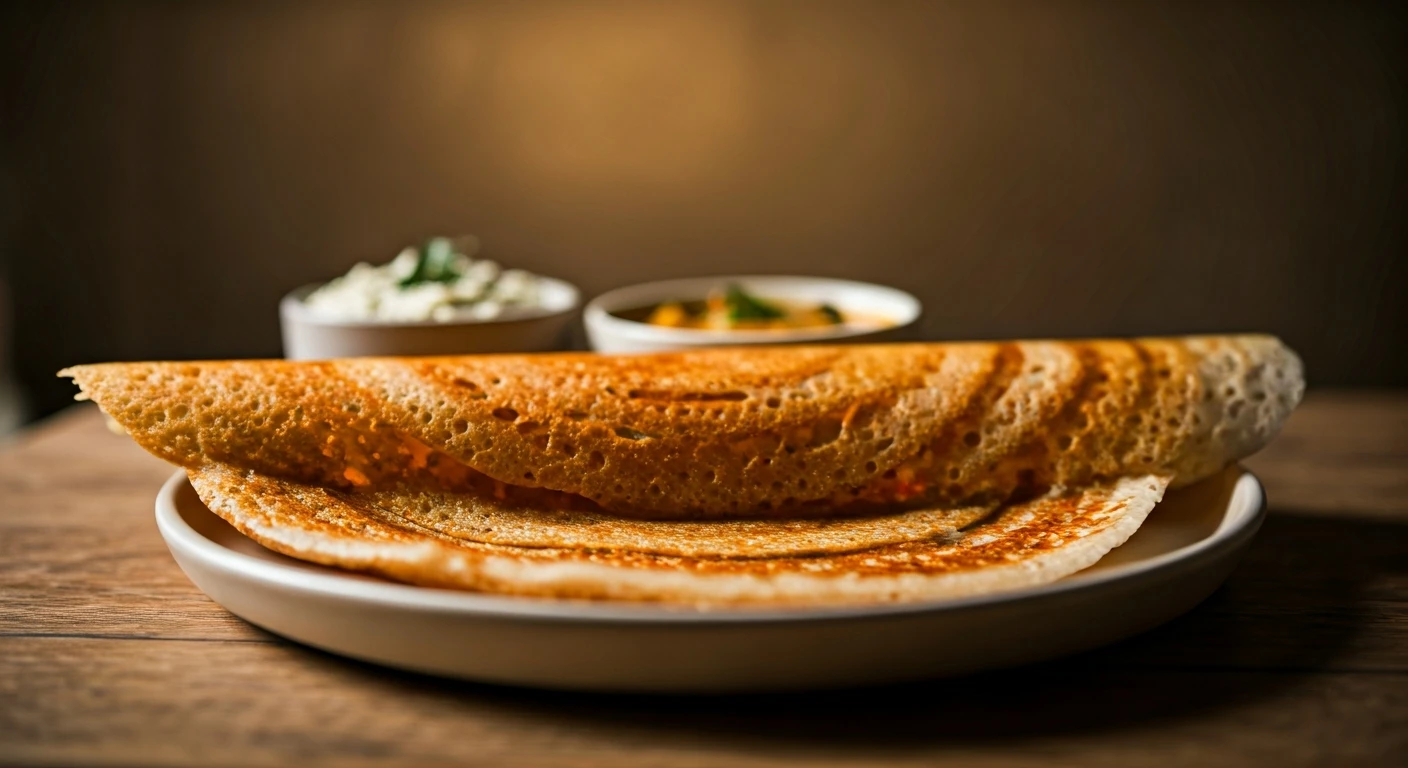
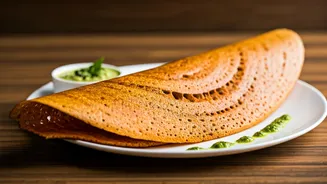
Let’s be honest: the word 'healthy' can sometimes be a code for 'bland' or 'boring'. That is absolutely not the case here. A well-made ragi dosa is wonderfully crisp on the outside and soft on the inside, with a complex, nutty flavour that stands on its own. It pairs beautifully with the classic South Indian accompaniments—coconut chutney provides a cool, creamy contrast, tomato chutney adds a tangy kick, and a bowl of hot sambar makes it a complete, soul-satisfying meal. The earthy notes of the ragi complement these strong flavours perfectly, creating a breakfast that feels both nourishing and indulgent.
The Ultimate Convenience Food
Perhaps the biggest reason for ragi dosa’s rising popularity is its incredible convenience. While traditional dosas require soaking rice and lentils, grinding them into a batter, and letting it ferment overnight, you can whip up ragi dosas in under 15 minutes. Most recipes use instant ragi flour, which you simply mix with water or buttermilk, some spices, and perhaps a bit of rice flour for crispiness. You can let the batter rest for 10 minutes while your pan heats up, and that’s it. This makes it a realistic and highly achievable breakfast option even on the busiest weekday mornings, eliminating the need to choose between a healthy start and getting out the door on time.
Make It Your Own
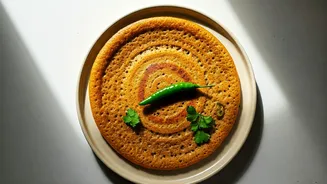
The ragi dosa is also incredibly versatile. The basic batter is a blank canvas for you to experiment with. Finely chopped onions, green chillies, and fresh coriander leaves are classic additions that add a burst of flavour and texture. You can also boost its nutritional value by mixing in grated carrots, beetroot, or spinach into the batter. For a protein kick, some people add a spoonful of besan (gram flour). Whether you like it paper-thin and crispy or a bit thicker and softer like an uttapam, you can easily adjust the batter's consistency to your preference. This adaptability ensures that your morning hero never becomes monotonous.