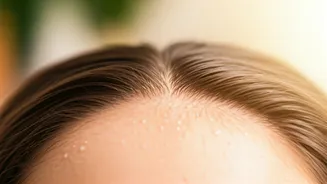









Why Your Scalp Hates the Monsoon
The arrival of the monsoon brings relief from the heat, but for your scalp, it creates a perfect storm of problems. The primary culprit is high humidity. [4] When the air is laden with moisture, your scalp's sebaceous glands can go into overdrive, producing
more oil (sebum). [6, 9] This excess oil, combined with sweat and exposure to polluted rainwater, creates a sticky, damp environment that's ideal for microbial growth. [2, 11] Think of your scalp as the soil from which your hair grows; if the soil is congested and unhealthy, the plants can't thrive. [6] This warm, moist setting becomes a breeding ground for fungi and bacteria, leading to a host of issues that compromise hair health. [4, 19]
From Itchy Scalp to Hair Fall: Connecting the Dots
Common monsoon hair complaints like frizz, limpness, and hair fall are often just symptoms of an underlying scalp issue. [15] An oily, sweaty scalp can clog hair follicles, which weakens the hair roots and can lead to increased shedding. [9, 10, 19] The high humidity also facilitates the overgrowth of a naturally occurring yeast called Malassezia, which is a primary trigger for dandruff. [2, 16] This results in an itchy, flaky scalp and inflammation that further weakens the hair follicles. [11, 16] Additionally, rainwater itself can be acidic and contain pollutants that disrupt the scalp's natural pH balance, stripping its protective barrier and making it prone to infections like folliculitis—painful, pimple-like bumps. [13, 12]
Your Monsoon Cleansing Ritual
Given the challenging conditions, adjusting your hair-washing routine is non-negotiable. You'll likely need to wash your hair more frequently than in other seasons, typically two to three times a week, to manage the excess oil and sweat. [3, 5] Opt for a gentle, pH-balanced, or sulphate-free shampoo to avoid stripping your scalp of its natural oils, which can ironically trigger even more oil production. [3, 8] If you're prone to dandruff or itchiness, consider switching to a medicated shampoo containing ingredients like ketoconazole, zinc pyrithione, or salicylic acid. [2, 13] When washing, focus the product on your scalp, massaging gently with your fingertips to dislodge buildup and boost circulation. [3]
The Cardinal Rule: Keep Your Scalp Dry
One of the most critical steps in monsoon hair care is ensuring your scalp is never left damp for extended periods. [3, 7] Wet hair is at its weakest, and a moist scalp is a hotbed for fungal infections. [7, 10] After washing, gently blot your hair with a microfiber towel to minimize breakage. [2] While air-drying is often recommended, it might be too slow in a humid environment. Using a blow dryer on a cool or low-heat setting to dry the roots thoroughly is a better option. [14] If you get caught in the rain, make it a priority to wash or at least dry your hair as soon as you get home. [5, 18] And never, ever tie up wet hair, as this traps moisture and creates the perfect conditions for fungal growth and root weakening. [2, 18]
Conditioning, Oiling, and Styling Smartly
While cleansing is key, how you moisturise and style also matters. Conditioner should only be applied to the mid-lengths and ends of your hair, keeping it away from the scalp where it can contribute to buildup and greasiness. [8] Heavy oiling, especially overnight, is generally discouraged during the monsoon as it can clog follicles. [5] If you do oil your hair, opt for lighter oils like jojoba or argan, and apply it for only 30-60 minutes before washing. [3, 8] When it comes to styling, avoid heavy gels, creams, and serums that can weigh hair down and make the scalp feel congested. [6, 11] Using a wide-toothed comb to detangle hair, starting from the tips and working your way up, will also help prevent breakage. [14]