
The Freedom That Became a Trap
Remote work and online learning promised flexibility, but for many, they delivered unstructured days and the constant pressure to be 'on'. Without the natural rhythm of a commute or the physical separation of an office or classroom, work bleeds into evenings
and weekends. This lack of boundaries is a primary driver of burnout, a state of mental and physical exhaustion that harms both productivity and well-being. Students face a similar challenge, juggling multiple subjects, assignments, and personal commitments from the same desk, making it difficult to switch off and truly rest. The result is often scattered attention and overwhelming stress.
What is Time Blocking, Really?
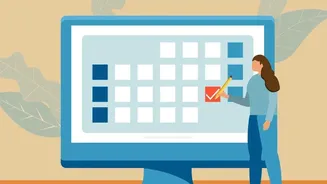
Time blocking is a simple yet powerful time management method that moves you from a reactive to-do list to a proactive schedule. Instead of just listing what you need to do, you decide exactly when you will do it by assigning each task to a specific block of time on your calendar. Think of it as making an appointment with yourself to complete a task. A block might be 90 minutes for writing a report, 45 minutes for studying a specific chapter, or even a 30-minute block for answering emails. By giving every minute of your workday a job, you eliminate the guesswork and decision fatigue of figuring out what to tackle next.
A Firewall Against Remote Burnout
For remote workers, time blocking reintroduces the structure that the office once provided. It creates a clear visual boundary between professional duties and personal life. When you schedule a block for 'deep work', you are also scheduling when that work ends. This intentional planning helps prevent 'work creep', where tasks spill over and consume your personal time. Crucially, it also forces you to schedule breaks, lunch, and a firm end-of-day shutdown ritual. This method encourages single-tasking, which improves focus and work quality, directly countering the scattered, multitasking habits that drain mental energy.
The Ultimate Hack for Focused Study
Students can use time blocking to transform overwhelming academic pressure into a manageable plan. Instead of vaguely planning to 'study history', a student can block out 60 minutes to 'review Chapter 4 notes and create flashcards'. This specificity creates a clear finish line for each session. This method promotes deep focus by dedicating uninterrupted time to a single subject, which is far more effective for learning and retention than bouncing between different topics. It also ensures a healthy balance by allowing students to intentionally block time for hobbies, social life, and rest, which are essential for sustained academic performance and overall well-being.
Finding the Right Tool for the Job
While a paper planner or a simple digital calendar works, 'smart' tools supercharge this method. If you're starting out, a free tool like Google Calendar is perfect for manual blocking. For those who need more power, task managers like Todoist and TickTick integrate to-do lists with your calendar. If you're a power user juggling tasks from multiple platforms like Slack, Gmail, and Asana, a 'task consolidator' like Akiflow brings everything into one place to be scheduled. The most advanced options use AI to automate scheduling. Tools like Motion and Reclaim.ai can automatically plan your day based on your task list and priorities, and even reschedule everything when a meeting runs long.
How to Start Your First Week
Getting started is simpler than it sounds. First, list everything you need to accomplish for the week, both professional and personal. Then, open your calendar and place your 'anchors'—fixed events like meetings, classes, or appointments. Next, start creating blocks for your most important tasks, but be realistic. Don't schedule every single minute. A common mistake is being too ambitious. Start by blocking just a few key focus sessions. Importantly, schedule 'buffer' blocks—flexible time for unexpected tasks or for when things take longer than planned. Review your plan each morning or the night before, and don't be afraid to adjust it. The goal is a realistic guide, not a rigid prison.