



The Dam and Missile Connection
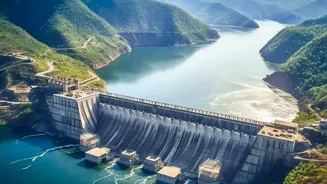
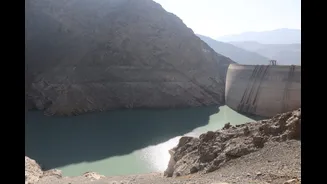
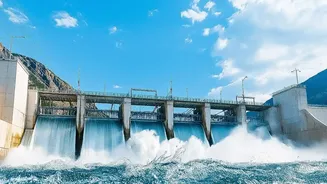
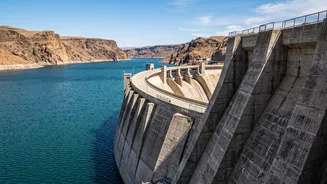
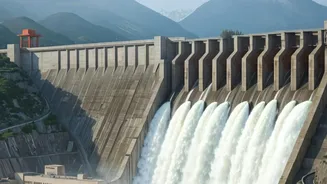
For years, environmental experts have been perplexed by Iran's aggressive dam-building campaign, which has seen the construction of over 500 dams. Many of these projects seemed to lack clear economic or agricultural justification in a nation often plagued
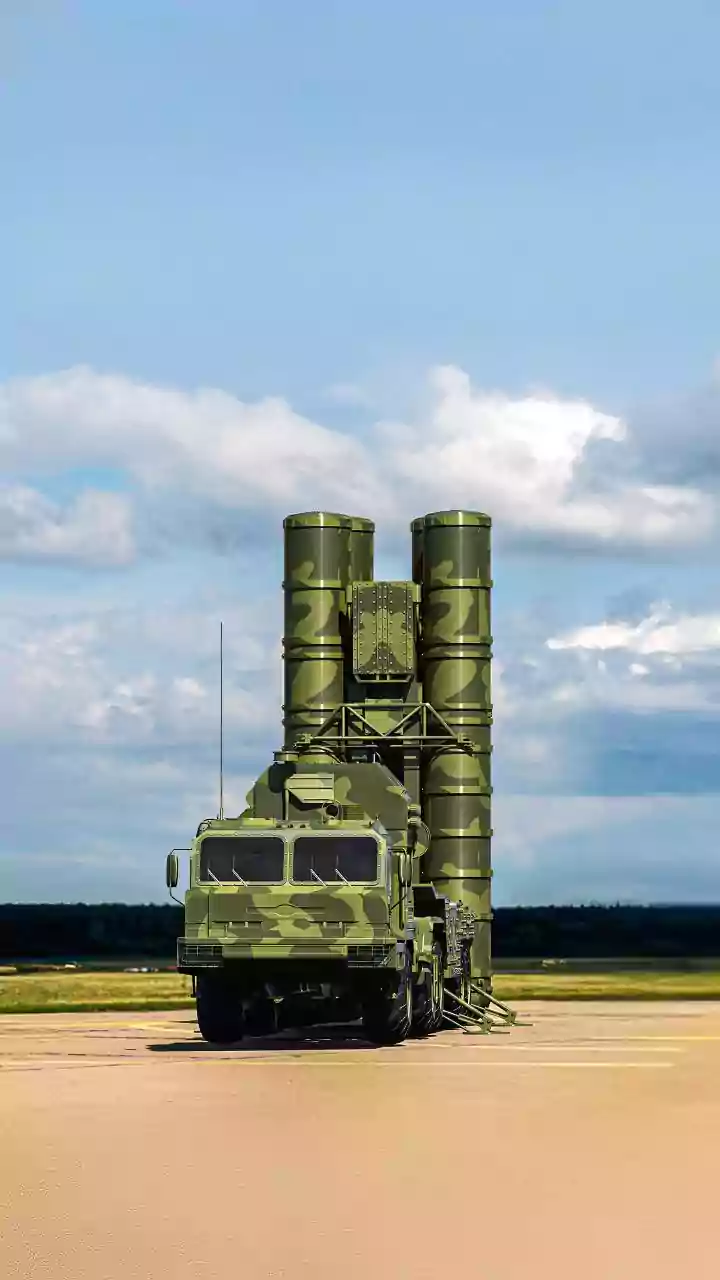
by water shortages. A new hypothesis has emerged following a series of airstrikes on suspected Iranian missile facilities. When researchers compared the locations of these strikes with maps of Iran's water infrastructure, they found a striking correlation. The pattern suggests that the placement of these dams might not have been just for civilian purposes, but also to support Iran's sprawling network of underground military complexes, often referred to as 'missile cities'.
A Strategy of Self-Sufficiency
The strategic logic behind co-locating military and water infrastructure is compelling from a defensive standpoint. Military analysts suggest that having a dedicated, independent source of power and water would be crucial for Iran's fortified underground missile bases to maintain 'operational continuity' during a conflict. These vast subterranean facilities require significant resources for personnel, equipment maintenance, and operational needs. By building dams nearby, Iran's Islamic Revolutionary Guard Corps (IRGC), which has deep involvement in national construction projects, could ensure its most valuable strategic assets are not dependent on the civilian national grid, which could be a primary target in any military confrontation.
Correlation or Causation?
Despite the intriguing geographical overlap, experts caution that the link between the dams and military sites remains a hypothesis, not a proven fact. Critics of the theory point out that spatial proximity does not equal causality. Iran's mountainous terrain is ideal for both building dams and concealing underground military sites, which could explain the overlap. Furthermore, some experts question the military utility of many of these dams, noting that fewer than 50 of the 500-plus large dams in Iran actually have turbines installed to generate electricity. The decades of inefficient and often politically motivated infrastructure planning, largely driven by IRGC-linked firms, could also explain the seemingly illogical placement of some dams.
A Dangerous Double-Edged Sword
Whether the overlap is deliberate or coincidental, it creates a dangerous ambiguity that could have devastating consequences. The suggestion that civilian dams may serve a dual military purpose could be used to justify them as legitimate targets in a conflict, a move that would violate international humanitarian law and endanger millions of civilians who depend on them for water and food security. This concern was amplified when Iranian Parliament Speaker Mohammad Bagher Ghalibaf warned that if its dams are considered 'dual-use,' then Iran could apply the same logic to any infrastructure located near American or Israeli bases in the region. This rhetoric highlights the risk of escalating attacks on critical civilian infrastructure across the Middle East.