








The Lifeline of Indian Agriculture
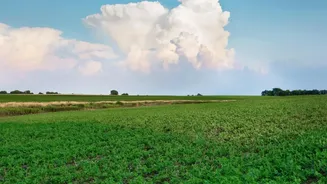
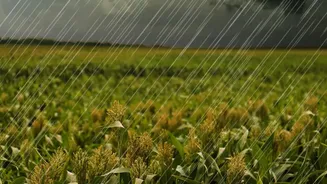
The southwest monsoon, which typically lasts from June to September, is critical for India. It provides about 70% of the country's annual rainfall and is essential for watering nearly half of its farmland, which lacks irrigation. This makes the livelihoods
of millions of farmers and the production of key summer-sown (Kharif) crops like rice, pulses, oilseeds, and cotton heavily dependent on the monsoon's performance. A healthy monsoon replenishes reservoirs and groundwater, ensuring water availability not just for agriculture but for drinking and power generation as well. When the rains are plentiful and evenly distributed, it fuels rural demand and keeps the economic engine running smoothly. Conversely, a weak or erratic monsoon can have far-reaching consequences.
What the Forecasts Indicate
The India Meteorological Department (IMD) has been signaling a potentially subdued monsoon for 2026. After an initial forecast in April for below-normal rainfall, the outlook has remained cautious. The season began with a significant deficit in June, and while July saw a recovery in some areas, the overall distribution has been uneven. As of early August, the cumulative seasonal rainfall across the country remained below the long-period average, with nearly half of the districts experiencing deficient rainfall. The primary cause for concern is the strengthening of El Niño conditions in the Pacific Ocean, a climatic phenomenon often linked to suppressed monsoon rainfall in India. While some recent weather systems have brought heavy rain to parts of eastern and central India, the forecast for the second half of the season (August-September) predicts below-normal rainfall overall.
Crops on the Front Line
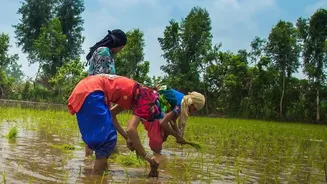
A shortfall in monsoon rains directly threatens the Kharif sowing season. As of mid-August, data showed that the total area sown with Kharif crops was trailing behind last year's figures. The acreage for rice, a staple food for a majority of Indians, has seen a decline compared to the previous year. The sowing of pulses and some coarse cereals has also been affected. These crops are particularly vulnerable in rain-fed areas. Lower production of these staples can lead to a direct hit on supply, impacting availability and prices in the market. Even though sowing picked up in July after a slow start, the progress is fragile and depends heavily on rainfall in the crucial late-August and early-September period.
The Ripple Effect on Your Wallet
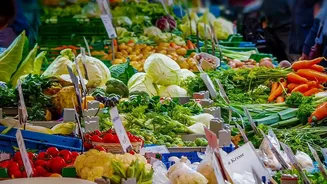
The connection between the monsoon and household budgets is direct and significant. Lower agricultural output inevitably leads to a supply squeeze, which can drive up food prices. A potential rise in the cost of staples like rice, dals, and vegetables could fuel food inflation, impacting the monthly expenses of every family. This has been a recurring concern, as seen in previous years with strong El Niño events that led to spikes in food prices. The government often uses its buffer stocks of grains to manage shortages and control price volatility, and officials have expressed confidence in the current stock levels to prevent a major food crisis. However, sustained pressure on farm output could still be felt by consumers at the checkout counter.
Government Prepares for a Dry Spell
Recognizing the risks, the Indian government has been preparing contingency plans. The Agriculture Ministry has been in discussions with state governments to take preparatory measures, especially in districts identified as highly vulnerable to a weak monsoon. These plans often include promoting drought-resistant crop varieties, encouraging water conservation techniques, and ensuring the readiness of crop insurance schemes. Finance Minister Nirmala Sitharaman has acknowledged the potential stress on farmers' incomes, even while reassuring the public about the country's food security thanks to adequate buffer stocks. The focus remains on mitigating the impact on the most vulnerable, the rain-fed farmers, and managing the economic fallout of a less-than-bountiful monsoon.