




It’s the king of spices, sitting next to salt on nearly every dining table. But is the 'pepper' in your grinder what you think it is? Many popular spices that look like peppercorns are entirely different plants with unique flavours.
What Makes a Peppercorn 'Authentic'?
An authentic peppercorn
is the fruit of a single flowering vine: Piper nigrum. Native to the Malabar Coast of southern India, this plant produces small berries, or drupes, that are processed at different stages of ripeness to create the varieties we know and love. The signature heat and pungent aroma of true pepper comes from a chemical compound called piperine. Black peppercorns, the most common variety, are unripe green berries that are cooked and dried, which blackens and shrivels their skin. White peppercorns are from fully ripened berries soaked to remove the outer skin, resulting in a hotter but less aromatic flavour. Green peppercorns are unripe berries preserved in brine or freeze-dried, offering a mild, fresh, and herbaceous taste. Red peppercorns, the rarest kind, are fully ripe berries that are dried, preserving their sweeter, fruitier profile.
The Rosy Impostor: Pink Peppercorns
Those beautiful pink spheres in your gourmet pepper blend are not true peppercorns. They are the dried berries of the Brazilian or Peruvian pepper tree (Schinus terebinthifolius or Schinus molle). Botanically, these trees are members of the cashew family, which also includes mangoes and poison ivy. This relation means individuals with tree nut allergies should be cautious. Pink peppercorns have a delicate, paper-thin skin that is easily crushed. Their flavour is not pungent and hot like black pepper; instead, it's subtly sweet, fruity, and floral with a pine-like, resinous note. Because of their mildness and beautiful colour, they are often used as a garnish on salads, seafood, and even desserts rather than as a primary source of heat.
The Tingly Pretender: Szechuan Peppercorns
Another common 'peppercorn' that isn't a pepper at all is the Szechuan (or Sichuan) peppercorn. These are not fruits but the dried outer husks of berries from shrubs in the Zanthoxylum genus, which belongs to the citrus family. Their defining characteristic is not heat but a unique tingling, numbing sensation known in Chinese cuisine as 'málà'. This effect comes from a molecule called hydroxy-alpha-sanshool, which acts on touch receptors on your tongue, creating a buzzing or vibrating feeling. While they have a citrusy, floral aroma, they lack the sharp bite of black pepper. Toasting them lightly before grinding enhances their fragrance. They are essential for authentic Sichuan dishes like mapo tofu and kung pao chicken, where their numbing quality is a key part of the flavour profile and cannot be replicated by black pepper.
The Historical Substitute: Grains of Paradise
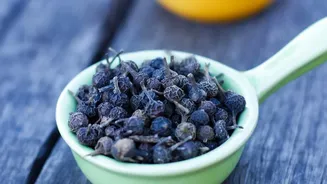
Grains of Paradise, or Aframomum melegueta, are seeds from a plant in the ginger family native to West Africa. For centuries, they were used in Europe as a less expensive alternative to black pepper, which earned them their exotic name from spice traders who claimed they grew in Eden. The seeds have a pungent, peppery bite but with complex notes of cardamom, citrus, and ginger. The heat comes from compounds like gingerol, the same chemical that gives ginger its warmth, rather than piperine. Today, they are popular with craft brewers and chefs looking for a unique flavour profile. While they can be used as a substitute for black pepper, their flavour is distinct—warm and zesty rather than purely sharp.
Why Knowing the Difference Matters
Understanding these distinctions is more than just trivia for foodies; it's about culinary precision. Using Szechuan peppercorns when you want simple heat will lead to a surprising numbing sensation, while substituting delicate pink peppercorns for robust black pepper will leave your dish under-seasoned. Each of these spices, whether a true peppercorn or a lookalike, has a unique role. Authentic peppercorns provide a sharp, versatile heat. Pink peppercorns add visual appeal and a gentle, fruity aroma. Szechuan peppercorns are essential for their signature numbing tingle in Asian cuisine. Grains of paradise offer a warm, aromatic complexity rooted in the ginger family. Recognizing what's in your spice rack allows you to unlock a wider world of flavour and create more authentic, intentional, and delicious meals.