








The Search for Community
In an increasingly digital world, genuine human connection can feel scarce. The pandemic amplified feelings of isolation for many, creating a deep-seated need for community. Walking clubs offer a simple, powerful solution. They are 'third places'—environments
outside of home and work—where people can build friendships and find a sense of belonging. Unlike a gym where people are often plugged into their own music, walking encourages conversation. The shared rhythm of footsteps creates a natural space for chats to flow, turning strangers into companions. This social element is arguably the biggest driver, offering an antidote to urban loneliness and a structured way to meet like-minded individuals.
Fitness That's Actually Accessible
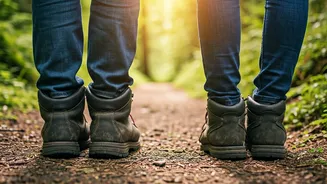
The fitness industry can be intimidating, filled with expensive memberships, complicated equipment, and high-intensity workouts. Walking cuts through all that noise. It is the most accessible form of exercise there is. It requires no special skills, minimal gear (just a comfortable pair of shoes), and is gentle on the body, making it suitable for people of all ages and fitness levels. Joining a club removes the financial barrier associated with many other wellness activities. This low barrier to entry means that anyone—from a college student on a budget to a senior citizen looking to stay active—can participate. It democratises fitness, making consistent physical activity a realistic goal for a much broader population.
A Boost for Mental Well-being
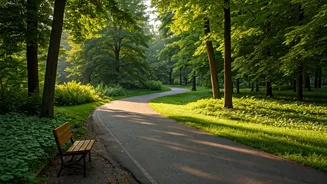
The link between physical activity and mental health is well-established, and walking is a particularly potent tool. A brisk walk releases endorphins, which act as natural mood elevators and stress relievers. Spending time outdoors, even in an urban park, has been shown to reduce symptoms of anxiety and depression. Walking clubs amplify these benefits by adding structure and social support. The simple act of committing to a group walk provides a routine, which can be grounding during stressful times. It forces you to step away from screens, breathe fresh air, and engage with your physical surroundings. This combination of movement, nature, and social interaction is a powerful prescription for a healthier mind.
Rediscovering Your Own City
How well do you really know your own city or neighbourhood? For many, daily life consists of a routine commute between home and work, leaving vast parts of their surroundings unexplored. Walking clubs are changing that. Many groups are now organising themed walks, such as heritage trails through historical districts, nature walks in local parks, or even 'food walks' that explore culinary hotspots on foot. This turns a simple exercise routine into an adventure. It provides a new lens through which to see a familiar place, uncovering hidden gems, learning about local history, and fostering a deeper appreciation for one's environment. It’s a form of local tourism that is both healthy and enriching.
The Power of Accountability
We've all been there: you promise yourself you'll start exercising tomorrow, but 'tomorrow' never comes. The biggest hurdle to building a fitness habit is often motivation and consistency. This is where the club structure shines. Knowing that a group of people is expecting you at a certain time and place provides a powerful dose of accountability. It's much harder to skip a walk when you know your friends are waiting. This shared commitment creates a positive feedback loop; the group's energy motivates the individual, and the individual's participation strengthens the group. This gentle social pressure is often the secret ingredient that transforms good intentions into a lasting, healthy habit.