



The Challenge of Breathing in Space
On Earth, we take our planet's life support system for granted. The air is always there, and nature handles the recycling. In the vacuum of space, astronauts must bring their environment with them in a can. This is the job of the Environmental Control
and Life Support System, or ECLSS. Early systems on missions like Apollo were simple; they provided oxygen and used filters to scrub the carbon dioxide (CO2) that astronauts exhaled. This was fine for a few days, but for long-duration missions, it's incredibly wasteful. Every kilogram launched into space is expensive, and you simply can't pack enough oxygen tanks and CO2 scrubbers for a long trip.
A More Regenerative Approach
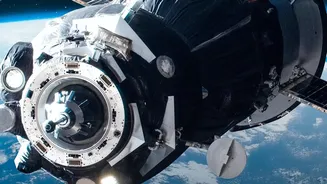
The International Space Station (ISS) marked a huge leap forward with its regenerative ECLSS. This system can reclaim water from sources like humidity, sweat, and even urine, purifying it for drinking or splitting it into hydrogen and oxygen. The oxygen replenishes the station's air, while systems like the Sabatier reactor combine the crew's exhaled CO2 with hydrogen. This process creates more water, further closing the loop, though some byproducts like methane are still vented into space. While the ISS system recycles about 90% of its water, it's not a fully closed system and still relies on regular resupply missions from Earth to top up consumables and deliver spare parts.
The Tyranny of Distance: Mars Changes Everything
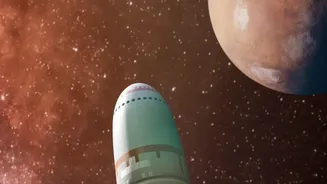
A trip to the Moon takes a few days. A round trip to Mars, however, could take up to three years. On such a long journey, there are no resupply missions. There is no turning back early. Every drop of water and every molecule of oxygen must be managed with extreme efficiency. A system that works for the ISS, just 400 kilometers away, is not robust enough for a mission that travels hundreds of millions of kilometers from home. This is where the headline claim of 'vital' comes from. Without a nearly perfectly closed-loop system, the sheer weight of the oxygen and water needed for a Mars crew would make the mission impossible with current launch technology. The ECLSS for Mars must be more reliable, more autonomous, and far more efficient than anything flown before.
Artemis: The Ultimate Proving Ground
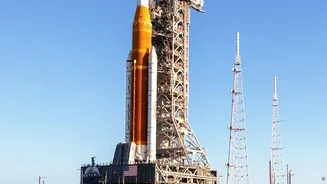
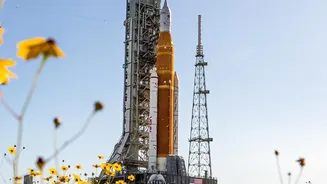
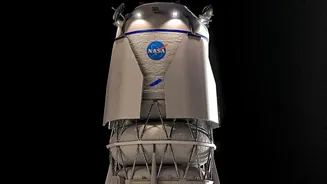
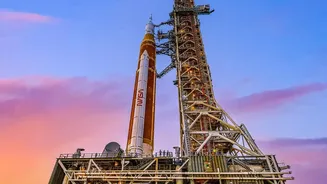
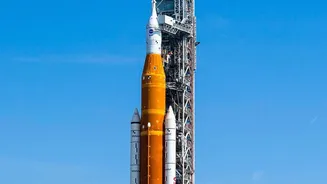
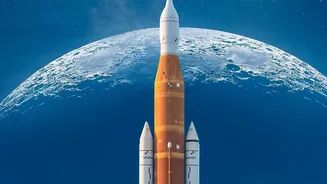
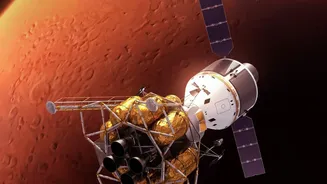
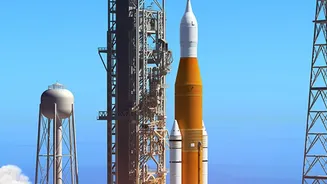
This is why the Artemis missions to the Moon are so critical. They are not just about returning to the lunar surface, but about preparing for Mars. The Orion spacecraft, the Gateway lunar outpost, and future lunar habitats will all use next-generation ECLSS technology. These systems are designed to be smaller, more efficient, and achieve a higher degree of 'loop closure,' aiming to recycle nearly 100% of all air and water. By operating these systems for thousands of hours in the harsh environment of deep space, far from Earth, NASA can work out any bugs and prove their reliability. Each successful hour of operation on a Moon mission builds the confidence needed to depend on that same technology to keep astronauts alive on the long, lonely road to Mars.